⛅ C Climate
What is the weather like? Is it warm and sunny? Does it have a reliable dry season? Climate is one of the most powerful pull factors especially for tourists from cold northern countries seeking sun, sea and sand.
Sign up to access the complete lesson and track your progress!
Unlock This CourseYou've studied tourist types, attractions, infrastructure, transport gateways, topography and culture. Now it's time to bring all of that together and do what the iGCSE exam actually asks you to do analyse the appeal of a specific destination.
This means looking at a place and asking: Why do tourists come here? What features make it attractive? Who does it appeal to and why?
Key Definitions:
No single feature makes a destination appealing. It's always a combination of factors the climate, the landscape, the culture, the infrastructure, the cost and the safety. Great exam answers always discuss multiple features and link them to specific tourist types.
To analyse a destination properly, you need a structured approach. Use the CLICS framework a simple checklist of the key features that create appeal:
What is the weather like? Is it warm and sunny? Does it have a reliable dry season? Climate is one of the most powerful pull factors especially for tourists from cold northern countries seeking sun, sea and sand.
What does the physical environment look like? Mountains, beaches, rainforests, deserts, lakes and wildlife all create strong visual appeal and support different activities.
Can tourists get there easily? Are there good airports, roads, hotels and services? Without infrastructure, even the most beautiful destination struggles to attract large numbers of tourists.
Does the destination have interesting history, traditions, food, festivals, or architecture? Cultural richness adds depth to a destination and appeals especially to heritage and cultural tourists.
What can tourists actually do there? Restaurants, theme parks, guided tours, water sports, nightlife, shopping the range of activities determines how long tourists stay and how much they spend.
Is the destination affordable? Value for money is a major factor, especially for budget tourists and families. A destination can be stunning but still lose tourists if prices are too high.
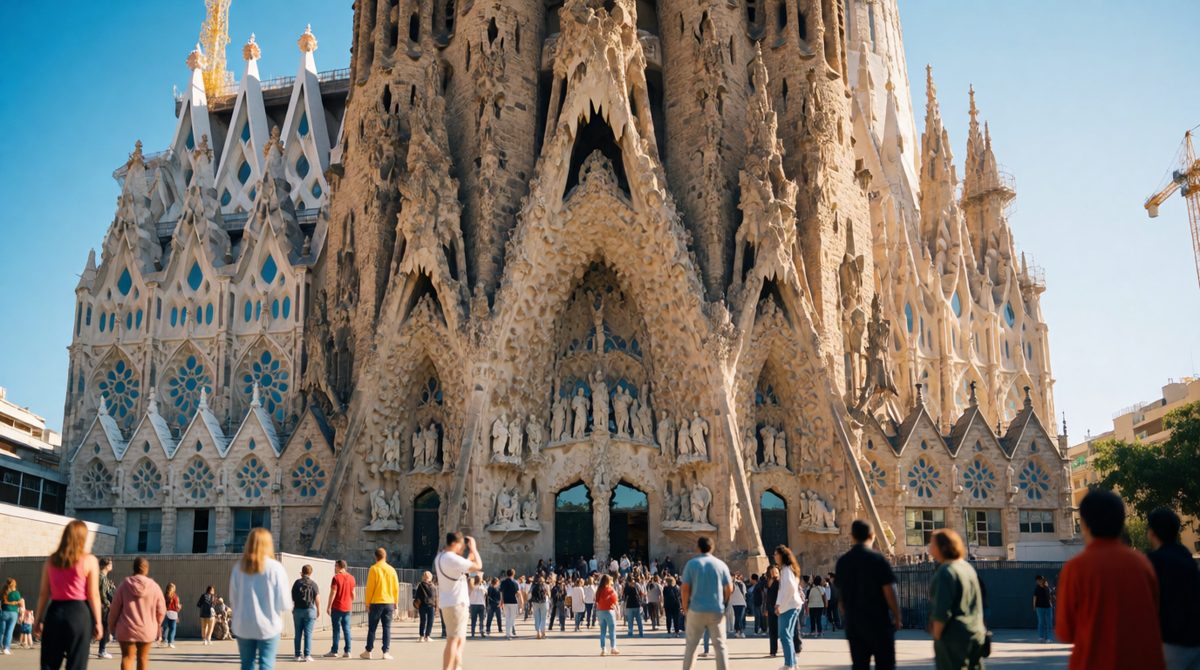
Barcelona appeals to many types of tourist
Barcelona is one of Europe's most visited cities, attracting over 12 million international tourists per year. It's a brilliant case study because it appeals to many different types of tourists at the same time. Let's analyse its appeal using the CLICS framework.
Barcelona has a Mediterranean climate hot, dry summers (averaging 28°C in July) and mild winters. This makes it attractive year-round. Summer brings beach tourists; spring and autumn attract city-break visitors who prefer cooler temperatures for sightseeing. The reliable sunshine is a major pull factor for tourists from the UK, Germany and Scandinavia.
Barcelona sits on the coast of the Mediterranean Sea, giving it sandy beaches like Barceloneta. Behind the city, the Collserola hills offer hiking and cycling. The nearby Costa Brava and Montserrat mountain (just 40 minutes away) add dramatic natural scenery. This variety means both beach lovers and outdoor adventurers are catered for.
Barcelona El Prat Airport is one of Europe's busiest, handling over 50 million passengers per year. It's served by dozens of airlines including low-cost carriers like Ryanair and Vueling, making it affordable and easy to reach. Within the city, an excellent metro system, buses and trams make getting around simple. The city has over 70,000 hotel beds across all price ranges, from budget hostels to five-star luxury hotels.
Barcelona is a cultural powerhouse. The architecture of Antoni Gaudí including the Sagrada Família, Park Güell and Casa Batlló draws millions of visitors. The city has world-class museums including the Picasso Museum and the Joan Miró Foundation. Catalan culture, language and identity give Barcelona a unique character distinct from the rest of Spain. The food scene tapas, seafood and the famous La Boqueria market is a major attraction in itself.
Barcelona offers an extraordinary range of activities. Tourists can visit Camp Nou (home of FC Barcelona, one of the world's most visited football stadiums), enjoy world-class shopping on Passeig de Gràcia, experience vibrant nightlife in the El Born and Barceloneta districts, attend music festivals like Primavera Sound, or take day trips to nearby wine regions. The MICE sector is also huge Barcelona is consistently ranked as one of Europe's top conference and business tourism destinations.
Barcelona receives around 12 million international tourists annually. Tourism contributes approximately 14% of the city's GDP. The Sagrada Família alone receives over 4.5 million visitors per year, making it one of the most visited paid monuments in the world. FC Barcelona's Camp Nou stadium attracts over 1.5 million visitors annually even on non-match days.
One of Barcelona's greatest strengths is its broad tourist appeal. Unlike some destinations that target only one type of visitor, Barcelona successfully attracts multiple tourist profiles simultaneously.
Beaches, the aquarium, Park Güell and the relaxed café culture make Barcelona family-friendly. The warm climate and variety of activities keep all ages entertained.
Gaudí's architecture, world-class museums, Catalan festivals, flamenco shows and the Gothic Quarter provide deep cultural experiences for heritage-focused visitors.
Barcelona's excellent conference facilities, international airport and luxury hotels make it a top MICE destination. The Mobile World Congress brings 100,000+ delegates annually.
Barcelona's enormous appeal has created a serious problem overtourism. When too many tourists visit a destination, it can damage the very things that made it appealing in the first place.
Barcelona's city government has responded by capping the number of tourist apartments, introducing timed entry tickets to major attractions and investing in tourism dispersal strategies to spread visitors to less-visited parts of the city.
In your exam, if you're asked about the appeal of a destination, don't forget that negative factors can reduce appeal. Overtourism, high prices, pollution and crime can all make a destination less attractive even if its natural and cultural features are outstanding. Always consider both sides.
Cape Town is another excellent case study because it combines natural beauty, cultural richness, adventure activities and historical significance in one destination.
Table Mountain a flat-topped mountain overlooking the city is one of the most recognisable natural landmarks in the world and a UNESCO World Heritage Site. Tourists can hike to the summit or take a cable car. The nearby Cape of Good Hope, Boulders Beach (home to a colony of African penguins) and the Cape Winelands all add to the natural appeal. The city sits between two oceans the Atlantic and the Indian giving it dramatic coastal scenery.
Robben Island, where Nelson Mandela was imprisoned for 18 years, is a powerful heritage attraction drawing visitors interested in South Africa's history of apartheid and the struggle for freedom. The Bo-Kaap neighbourhood, with its brightly coloured houses and Cape Malay culture, offers a unique cultural experience. The V&A Waterfront combines shopping, restaurants and museums in a stunning harbour setting.
Cape Town is a world-class adventure destination. Activities include shark cage diving at Gansbaai, paragliding from Signal Hill, surfing at Muizenberg, kite surfing at Bloubergstrand and mountain biking on Table Mountain's slopes. This makes it highly attractive to adventure tourists seeking thrills in a spectacular natural setting.
Cape Town offers exceptional value for money for tourists from Europe and North America, because the South African Rand is relatively weak against the pound, euro and dollar. World-class restaurants, boutique hotels and private game reserves are all available at prices significantly lower than comparable experiences in Europe.
The iGCSE exam will often ask you to "analyse the appeal" of a destination, or to "explain why a destination attracts tourists." Here's how to structure a strong answer:
Make a clear statement about one feature of the destination.
"Barcelona has a warm Mediterranean climate..."
Back it up with a specific fact or statistic.
"...with average summer temperatures of 28°C and over 300 days of sunshine per year."
Connect the feature to tourist appeal.
"This appeals to beach tourists from northern Europe who seek reliable sunshine, particularly in July and August."
Then add an L Link: connect your point to the wider question or to another feature. "Combined with its excellent infrastructure and cultural attractions, this makes Barcelona appealing to a wide range of tourist types throughout the year."
The iGCSE exam may ask you to compare the appeal of two destinations. Here's a quick comparison to show you how this works:
Climate
Natural Landscape
Cultural Heritage
Accessibility
Safety
Value for Money
Mediterranean, hot summers
Beaches and hills
Gaudí, Gothic Quarter, museums
Excellent major hub airport
Generally safe
Moderate can be expensive
Warm, best Oct–Apr
Table Mountain, two oceans
Robben Island, Bo-Kaap
Good direct flights from Europe
Safety concerns in some areas
Excellent strong currencies
The most appealing destinations in the world tend to share certain qualities. They don't just have one great feature they have a combination of complementary features that reinforce each other.