🏠 Who's in Charge of Tourism?
When you visit a famous destination whether it's the beaches of Thailand, the streets of Paris, or the castles of Scotland someone has been working hard behind the scenes to make that experience possible. Tourism doesn't just happen by accident. Governments, ministries and local councils all play a massive role in shaping, funding and managing tourist destinations.
In iGCSE Travel & Tourism, you need to understand who these organisations are, what they actually do and why it matters. Let's break it down.
Key Definitions:
- Destination Development: The process of improving and expanding a tourist destination building infrastructure, attracting investment and creating attractions.
- Destination Management: The ongoing process of planning, coordinating and controlling tourism activity at a destination to make it sustainable and enjoyable.
- Public Sector: Organisations funded and run by the government (e.g. national tourism boards, local councils).
- Private Sector: Businesses owned by individuals or companies that aim to make a profit (e.g. hotels, airlines, tour operators).
- Voluntary Sector: Non-profit organisations such as charities and trusts that support tourism (e.g. the National Trust in the UK).
- National Tourism Organisation (NTO): A government-backed body responsible for promoting and developing tourism at a national level.
- Legislation: Laws passed by governments that control how tourism operates covering things like planning permission, health and safety and environmental protection.
🏢 Public Sector
Run by the government. Funded by taxes. Their main goal is not profit it's to benefit the public. They create policy, pass laws, fund infrastructure and promote destinations nationally and internationally. Examples include Visit Britain, the Spanish Ministry of Tourism and local councils.
💼 Private Sector
Businesses that invest in tourism to make money. Hotels, restaurants, theme parks, airlines all private sector. They respond to government policy and benefit from public investment in infrastructure like roads, airports and visitor centres.
🏛 National Governments and Tourism Ministries
At the very top of the tourism management structure sits the national government. In many countries, there is a dedicated Ministry of Tourism (sometimes combined with other departments like culture or trade). This ministry is responsible for setting the overall direction of tourism for the entire country.
📌 What Do Tourism Ministries Actually Do?
Tourism ministries have a wide range of responsibilities. Think of them as the "big picture" planners they set the strategy, pass the laws and hand out the money.
📜 Policy & Planning
Governments create national tourism strategies long-term plans that set targets for visitor numbers, spending and sustainability. For example, Spain's government has set goals to attract over 80 million tourists per year while reducing environmental damage.
💸 Funding & Investment
Governments invest in airports, roads, railways and visitor attractions. Without this infrastructure, tourists simply can't get to or around a destination. The UAE invested billions in Dubai's airport to make it one of the world's busiest.
📣 Marketing & Promotion
National governments fund tourism campaigns to attract visitors from abroad. The "Incredible India" campaign and "100% Pure New Zealand" are famous government-funded marketing campaigns that boosted international arrivals significantly.
🌎 Case Study: Visit Britain (UK)
Visit Britain is the UK's National Tourism Organisation, funded by the UK government. Its job is to promote Britain to international visitors and grow the value of inbound tourism. It works with airlines, travel agents and tour operators around the world to sell Britain as a destination. In 2023, Visit Britain set a target of attracting 35.1 million inbound visits to the UK, worth over £30 billion to the economy. It runs campaigns in key markets like the USA, Germany, France and China tailoring messages to each audience.
🏭 Local Authorities and Their Role
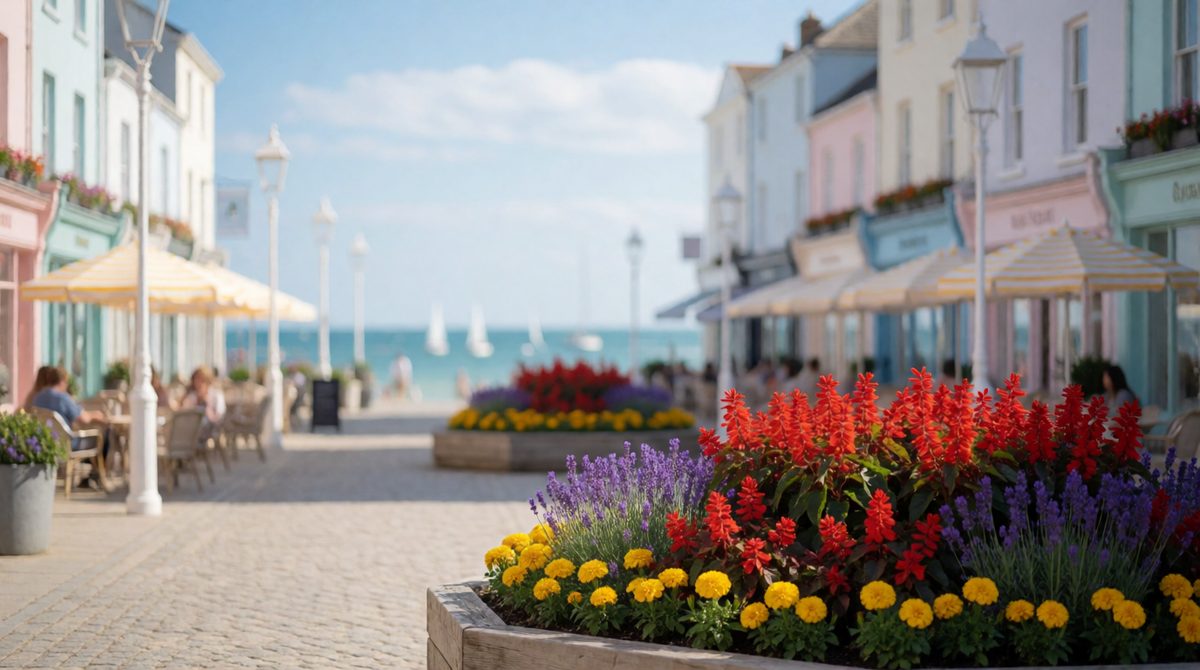
Local authorities manage tourism in their area
While national governments set the big picture, local authorities (councils and regional bodies) deal with tourism on the ground. They manage the day-to-day reality of tourism in towns, cities and rural areas.
🏠 What Do Local Authorities Do in Tourism?
Local councils are often the unsung heroes of tourism. They maintain the parks, run the museums, manage the car parks and keep the streets clean. Without them, even the most beautiful destination would quickly become unpleasant to visit.
🏭 Managing Visitor Attractions
Many local councils own and operate museums, galleries, parks, beaches and heritage sites. For example, Edinburgh City Council manages many of the city's public spaces and works closely with Historic Environment Scotland to maintain attractions like Edinburgh Castle's surrounding area.
📍 Planning Permission
Local authorities control what gets built and where. They decide whether a new hotel, theme park, or shopping centre gets planning permission. This is crucial it means they can protect historic areas, green spaces and local communities from overdevelopment.
Local authorities also run Tourist Information Centres (TICs), which provide maps, guides, accommodation booking services and local event information to visitors. These are especially important in rural areas where tourists may be less familiar with the region.
🏭 Case Study: Barcelona's Local Authority and Overtourism
Barcelona is one of the most visited cities in Europe, attracting over 12 million tourists a year. But this success created serious problems overcrowded streets, rising rents and frustrated locals. Barcelona City Council responded by limiting new hotel licences in the city centre, introducing tourist taxes and restricting short-term holiday rentals like Airbnb. This is a brilliant example of a local authority using its powers to manage tourism rather than just promote it. The council had to balance the economic benefits of tourism with the quality of life for residents.
🌐 National Tourism Organisations (NTOs) Around the World
Most countries have a National Tourism Organisation a government-backed body that promotes the country internationally and supports the development of the tourism industry at home. These organisations sit between the government ministry (which makes policy) and the private sector (which delivers tourism products).
🌎 Examples of NTOs
- 🇬🇧 Visit Britain promotes the UK internationally
- 🇫🇷 Atout France France's tourism development agency
- 🇦🇺 Tourism Australia promotes Australia with campaigns like "There's Nothing Like Australia"
- 🇰🇪 Korea Tourism Organisation (KTO) promotes South Korea, boosted hugely by K-pop and K-drama tourism
- 🇮🇳 Incredible India / Ministry of Tourism India one of the world's biggest tourism marketing operations
- 🇩🇪 German National Tourist Board (GNTB) promotes Germany's cities, culture and countryside
🇦🇺 Case Study: Tourism Australia
Tourism Australia is a government body set up under the Tourism Australia Act 2004. Its mission is to grow demand for Australia as a travel destination. Its famous "There's Nothing Like Australia" campaign ran in over 35 countries. Tourism Australia works closely with airlines (like Qantas), state tourism bodies (like Tourism New South Wales) and travel trade partners worldwide. The government funds Tourism Australia but it operates independently, making decisions about marketing strategy, partnerships and target markets. In 2019, before COVID-19, international tourism contributed AUD $45 billion to Australia's economy.
⚖️ Legislation and Planning Controls
One of the most important but least glamorous things governments do is pass laws that control how tourism develops. This protects the environment, local communities and the tourists themselves.
📜 Types of Legislation
- Planning laws: Control where hotels, resorts and attractions can be built
- Environmental laws: Protect national parks, coastlines and wildlife from overdevelopment
- Health & Safety laws: Ensure tourist facilities meet safety standards
- Consumer protection laws: Protect tourists from fraud, poor service, or unsafe holidays
- Licensing laws: Control who can operate as a tour guide, hotel, or travel agent
🌿 Why Planning Matters
Without planning controls, tourism can destroy the very things that attract visitors in the first place. The Galapagos Islands in Ecuador are strictly controlled by the Ecuadorian government visitor numbers are limited, tour operators must be licensed and certain areas are completely off-limits. This protects the unique wildlife while still allowing tourism to bring income to the local economy.
⚖️ How Governments Balance Development and Sustainability
Modern governments face a real challenge: they want tourism to grow (because it brings money and jobs) but they also need to protect the environment and local communities. This is called sustainable tourism development.
⚖️ Tools Governments Use to Manage Tourism
- 💸 Tourist taxes: Charging visitors a small fee to fund conservation and infrastructure (e.g. Venice, Amsterdam, Bali all charge tourist taxes)
- 📋 Visitor management plans: Spreading tourists across a wider area to reduce pressure on hotspots
- 🚫 Zoning: Designating certain areas for tourism and keeping others off-limits (e.g. national parks)
- 🌟 Grants and subsidies: Funding businesses that develop sustainable tourism products
- 📚 Education campaigns: Teaching tourists how to behave responsibly at sensitive destinations
🇮🇩 Case Study: Bhutan's Sustainable Tourism Policy
Bhutan is a small Himalayan kingdom that takes a very different approach to tourism. The government charges all international tourists a Sustainable Development Fee of USD $100 per person per day (raised to $200 in 2022). This fee funds free healthcare, education and environmental conservation. Bhutan deliberately limits visitor numbers to protect its culture and environment a policy they call "High Value, Low Volume" tourism. This is government tourism management at its most deliberate and strategic. It shows that governments don't always want to maximise tourist numbers sometimes quality matters more than quantity.
👥 Public-Private Partnerships (PPPs)
In reality, governments rarely work alone. Most destination development involves Public-Private Partnerships (PPPs) where government bodies and private businesses work together to fund and develop tourism projects.
For example, a local council might own the land for a new visitor centre, while a private company builds and runs it. The government provides the planning permission and initial funding; the private sector brings business expertise and additional investment. Both sides benefit and so do the tourists.
🇬🇧 Example: The Eden Project, Cornwall
The Eden Project in Cornwall, UK, was developed with a mix of public funding (including a grant from the Millennium Commission, a public body) and private investment. Cornwall Council supported the project through planning and infrastructure. Since opening in 2001, it has attracted over 22 million visitors and transformed Cornwall's tourism economy. This is a classic PPP success story public sector vision and funding, private sector delivery.
📊 Summary: The Roles at a Glance
🏛 National Government & Ministries
- Set national tourism policy
- Pass legislation
- Fund NTOs and infrastructure
- Negotiate international agreements
- Promote the country abroad
🏢 Local Authorities
- Grant planning permission
- Manage local attractions
- Run Tourist Information Centres
- Maintain public spaces
- Manage overtourism locally
🌎 National Tourism Organisations
- Market the destination internationally
- Support the travel trade
- Conduct tourism research
- Work with private sector partners
- Develop tourism products