🌐 What Exactly Is an NTO?
You've already met the idea of National Tourism Organisations (NTOs) in this topic. Now it's time to go much deeper. NTOs are government-backed bodies that take the lead on promoting and developing tourism for an entire country. Think of them as the country's official tourism team they're not running hotels or selling flights, but they're working hard behind the scenes to make sure tourists want to visit in the first place and that when they do, things run smoothly.
NTOs sit in a unique position. They're usually funded by the government but often work closely with private businesses too. Their job is to look at the big picture the whole country's tourism industry rather than just one region or attraction.
Key Definitions:
- National Tourism Organisation (NTO): A government-supported body responsible for promoting a country as a tourist destination and coordinating tourism development at a national level.
- Destination Marketing: The process of promoting a place to attract visitors, often using advertising, social media and campaigns.
- Tourism Policy: A set of guidelines and decisions made by a government or organisation about how tourism should be managed and developed.
- Inbound Tourism: Visitors coming INTO a country from abroad this is what NTOs are most focused on growing.
- Domestic Tourism: People travelling within their own country NTOs often promote this too, especially during global crises like pandemics.
📋 The Core Functions of an NTO
NTOs don't just put up a few posters and call it a day. They carry out a wide range of activities, all aimed at making their country a better, more popular and more sustainable destination. Here's a breakdown of their main jobs:
📣 Marketing and Promotion
This is the most visible thing NTOs do. They run advertising campaigns in other countries to encourage people to visit. This includes TV adverts, social media campaigns, travel fairs and working with travel journalists and influencers. The goal is to build a strong, attractive image of the country in the minds of potential tourists worldwide.
📊 Research and Statistics
NTOs collect data on how many tourists visit, where they come from, how much they spend and what they do. This information is vital it helps governments and businesses make smart decisions. Without this data, nobody would know if tourism was growing or shrinking, or which markets to target.
🏫 Training and Quality Standards
NTOs often run training programmes for people working in tourism hotel staff, tour guides, transport workers. They may also set quality standards and run grading schemes (like star ratings for hotels) to make sure visitors get a good experience. Happy tourists come back and tell their friends!
📌 Coordinating the Industry
Tourism involves hundreds of different businesses and organisations. NTOs act as a central hub, bringing together airlines, hotels, tour operators, local authorities and attractions so they all work towards the same goals. Without this coordination, efforts can be wasted or even contradictory.
📄 Policy Advice and Development Planning
NTOs don't just promote they also advise governments on tourism policy. They might recommend where new infrastructure is needed, which areas should be developed for tourism, or how to manage visitor numbers in popular spots. They help shape the long-term future of tourism in a country.
🌟 Product Development
NTOs identify gaps in what a country offers tourists and encourage the development of new attractions, experiences, or facilities to fill those gaps.
🌎 International Representation
NTOs represent their country at international tourism events like the World Travel Market (WTM) in London or ITB Berlin huge trade fairs where deals are made.
♿ Accessibility and Inclusion
Modern NTOs also work to make tourism accessible to all visitors, including those with disabilities, promoting inclusive travel experiences.
💵 How Are NTOs Funded?
Money matters! Understanding how NTOs are funded helps explain why they make the decisions they do. Most NTOs receive the majority of their funding from the national government this is taxpayers' money, which means NTOs are accountable to the public and to politicians.
💡 Why Funding Matters
When a government cuts the NTO's budget, it can have a real knock-on effect. Less money means fewer marketing campaigns, which can mean fewer tourists, which means less money flowing into the economy. For example, when VisitBritain's budget was reduced in the early 2010s, there were serious concerns from the tourism industry about the UK's ability to compete with other destinations for international visitors.
Many NTOs also raise additional funds through partnerships with private businesses. A hotel chain or airline might co-fund a marketing campaign with the NTO because they both benefit from more tourists visiting. This is called co-operative marketing.
🏢 Government Funding
The main source of income for most NTOs. Governments fund NTOs because tourism brings in foreign currency, creates jobs and supports local economies. The amount given varies hugely wealthier countries or those heavily dependent on tourism tend to invest more.
💼 Private Sector Partnerships
Airlines, hotel groups and tour operators often contribute to NTO campaigns. For example, a national airline might co-fund a campaign promoting city breaks because more tourists means more passengers on their planes. Both sides win.
🎯 NTO Branding and Destination Image
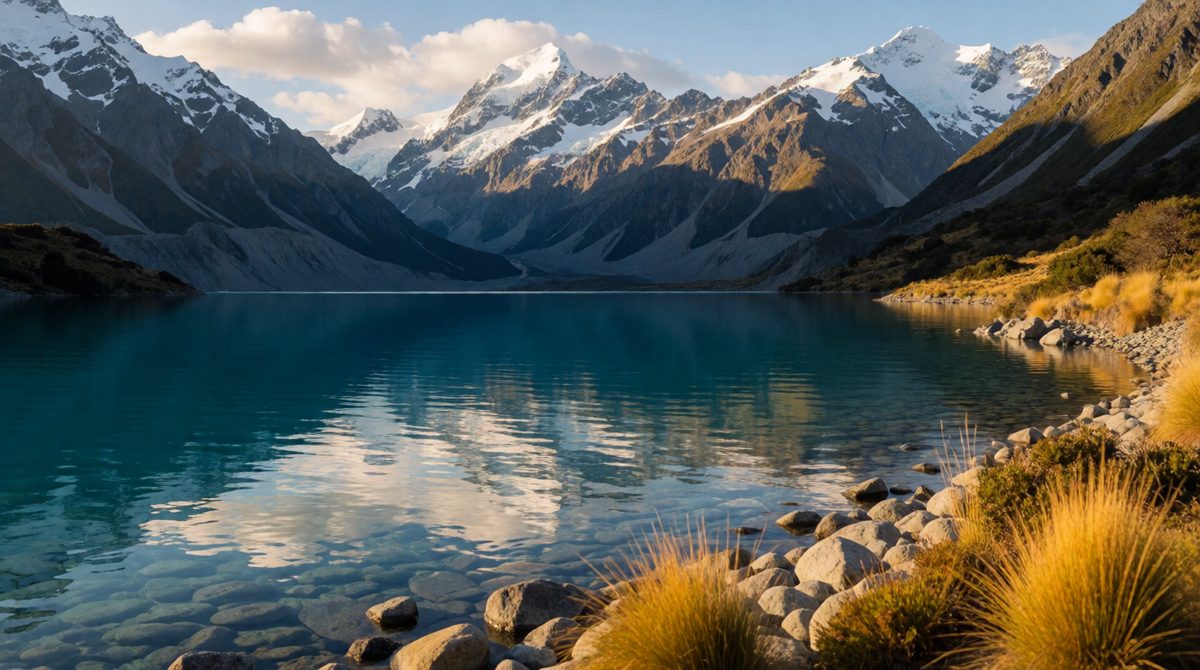
NTOs build a destination's brand image
One of the most important and tricky jobs an NTO has is managing the image of their country. This is called destination branding. Just like a company has a brand (think of the Nike swoosh or McDonald's golden arches), a country needs a clear, attractive identity that stands out in a crowded global market.
A strong destination brand tells potential tourists what makes a country special and different from everywhere else. It creates an emotional connection it makes people think "I really want to go there."
🇮🇳 Case Study: Incredible India India Tourism
The India Tourism NTO launched its famous "Incredible India" campaign in 2002. Before this, India struggled with a mixed image some tourists saw it as chaotic or difficult to visit. The campaign used stunning photography, vibrant colours and the slogan "Incredible India" to completely reframe how the world saw the country. It highlighted India's diversity from the Taj Mahal to Kerala's backwaters to Rajasthan's deserts. The campaign was a massive success: international tourist arrivals grew from around 2.4 million in 2002 to over 10 million by 2017. The campaign has won international advertising awards and is studied as one of the most successful destination branding exercises ever. India Tourism continues to update the campaign, adding themes like yoga, wellness and adventure tourism to attract new audiences.
👥 How NTOs Work With Other Organisations
NTOs don't work alone. They're part of a much bigger network of organisations, all playing different roles in tourism. Understanding how they fit together is really important for your exam.
🔗 NTOs and Regional/Local Tourism Organisations
Most countries also have Regional Tourism Organisations (RTOs) or local tourism boards that focus on specific areas. The NTO sets the overall national strategy, while RTOs handle the detail at a local level. For example, in the UK, VisitBritain (the NTO) promotes Britain internationally, while organisations like VisitScotland or the Lake District National Park Authority handle their own areas. They all need to work together so their messages don't clash.
🏠 NTO (National)
Sets national strategy, promotes the whole country internationally, collects national data, advises government on policy.
🏭 RTO (Regional)
Promotes a specific region, supports local businesses, manages regional attractions, links national strategy to local action.
🏛 Local Authority
Manages local infrastructure, grants planning permission, runs local visitor centres, enforces local regulations.
🇮🇪 Case Study: Spain's Turespaña
Turespaña is Spain's NTO and one of the most active in the world which makes sense, as Spain is consistently one of the top tourist destinations on the planet (welcoming over 83 million international visitors in 2019). Turespaña operates a network of Spanish Tourism Offices in 33 countries, meaning they have a physical presence in key markets like the UK, Germany and the USA. They run campaigns targeting specific types of tourists beach holidays, cultural tourism, gastronomy and city breaks. Turespaña also works closely with regional bodies like the Catalan Tourism Board and the Balearic Islands Tourism Agency, making sure regional campaigns fit within the national brand. A key challenge for Turespaña has been managing the negative effects of overtourism in cities like Barcelona and Seville, whilst still promoting Spain as a desirable destination. They've had to shift messaging to spread tourists more evenly across the country, promoting lesser-known regions like Extremadura and Aragón.
🌎 NTOs and International Tourism Bodies
NTOs don't just operate within their own country they also connect with international organisations. The most important of these is the United Nations World Tourism Organisation (UNWTO), which is the global body that sets standards and shares best practice for tourism worldwide. NTOs often work with the UNWTO to align their strategies with global goals, including the UN's Sustainable Development Goals (SDGs).
NTOs may also work with bodies like the World Travel and Tourism Council (WTTC), which represents the private sector and regional bodies like the European Travel Commission (ETC), which promotes Europe as a destination to long-haul markets.
🌐 UNWTO
The United Nations World Tourism Organisation. A global body that provides leadership on sustainable tourism, shares research and statistics and sets international standards. NTOs are members and contribute data to global tourism reports.
📊 WTTC
The World Travel and Tourism Council. Represents private sector tourism businesses globally. Works alongside NTOs to advocate for the tourism industry and measure its economic contribution to countries.
⚠ Challenges Facing NTOs
NTOs face some really tough challenges in the modern world. It's not just about putting up nice adverts anymore the tourism landscape is constantly changing.
📷 The Rise of Social Media and User-Generated Content
In the past, NTOs had more control over a destination's image. Now, millions of tourists post photos, reviews and videos online every day. A single viral negative post can damage a destination's reputation. NTOs have had to adapt many now work with social media influencers and invest heavily in digital marketing to stay relevant and shape the online conversation.
🌍 Managing Negative Impacts of Tourism
NTOs face a difficult balancing act. Their job is to attract more tourists, but too many tourists can damage the very things that make a destination attractive natural environments, local culture, quality of life for residents. NTOs increasingly have to promote tourism responsibly, directing visitors to less-crowded areas and encouraging sustainable behaviour.
💲 Budget Pressures and Accountability
NTOs must justify their spending to governments. They need to prove that every pound (or euro, or dollar) spent on marketing actually brings in more tourist revenue. This has led to more sophisticated measurement of campaign effectiveness, including tracking website visits, enquiries and actual tourist arrivals linked to specific campaigns.
🇳🇿 Case Study: Tourism New Zealand 100% Pure New Zealand
Tourism New Zealand launched its iconic "100% Pure New Zealand" campaign in 1999 and it's still running today making it one of the longest-running destination marketing campaigns in history. The campaign focuses on New Zealand's stunning natural landscapes and positions the country as clean, green and adventurous. Tourism New Zealand targets high-value visitors people who will spend more money and stay longer rather than just trying to maximise visitor numbers. This is a smart strategy for a small, remote country that can't compete on price with closer destinations. The campaign has been hugely successful: international visitor spending grew from NZ$2.8 billion in 1999 to over NZ$17 billion by 2019. Tourism New Zealand also uses sophisticated digital marketing, working with travel bloggers and running targeted campaigns in specific markets like China, Australia and the USA. The organisation is also a strong advocate for sustainable tourism, recognising that New Zealand's natural environment is its greatest asset and must be protected.
📚 Measuring NTO Success
How do we know if an NTO is doing a good job? There are several key measures that NTOs and governments use to judge performance:
- Number of international tourist arrivals: Is the number of visitors growing year on year?
- Tourist spending / receipts: How much money are tourists spending in the country? This is often more important than just visitor numbers.
- Market share: Is the country attracting a bigger or smaller share of global tourists compared to competitors?
- Brand awareness: Surveys in key markets measure how many people are aware of and positively view the destination.
- Return on investment (ROI): For every £1 spent on marketing, how many £s come back into the economy through tourist spending?
- Visitor satisfaction: Are tourists happy with their experience? Do they recommend the destination to others?
💡 Exam Tip: NTOs vs Tourism Ministries
Students often mix these up! A Tourism Ministry is a government department it's part of the government itself and makes policy decisions. An NTO is usually a separate body (sometimes called a quango a quasi-autonomous non-governmental organisation) that carries out the practical work of promoting and developing tourism. In some countries the two functions are combined; in others they're separate. In the UK, the Department for Culture, Media and Sport (DCMS) is the ministry, while VisitBritain is the NTO. Make sure you can explain this difference clearly in your exam!
📋 Quick Recap: NTO Functions at a Glance
Before you move on, make sure you can recall all the key functions of an NTO. Here's a handy summary:
📣 Promote
Market the country internationally through campaigns, trade fairs and digital media to attract inbound tourists.
📊 Research
Collect and analyse tourism statistics to inform decisions by government and the private sector.
🏫 Train
Raise standards across the tourism industry through training programmes and quality grading schemes.
🔗 Coordinate
Bring together public and private sector organisations to work towards shared tourism goals.
📄 Advise
Provide expert advice to government on tourism policy, planning and development priorities.
🌿 Sustain
Promote responsible tourism that protects natural and cultural assets for future generations.