🎯 What Is Destination Branding?
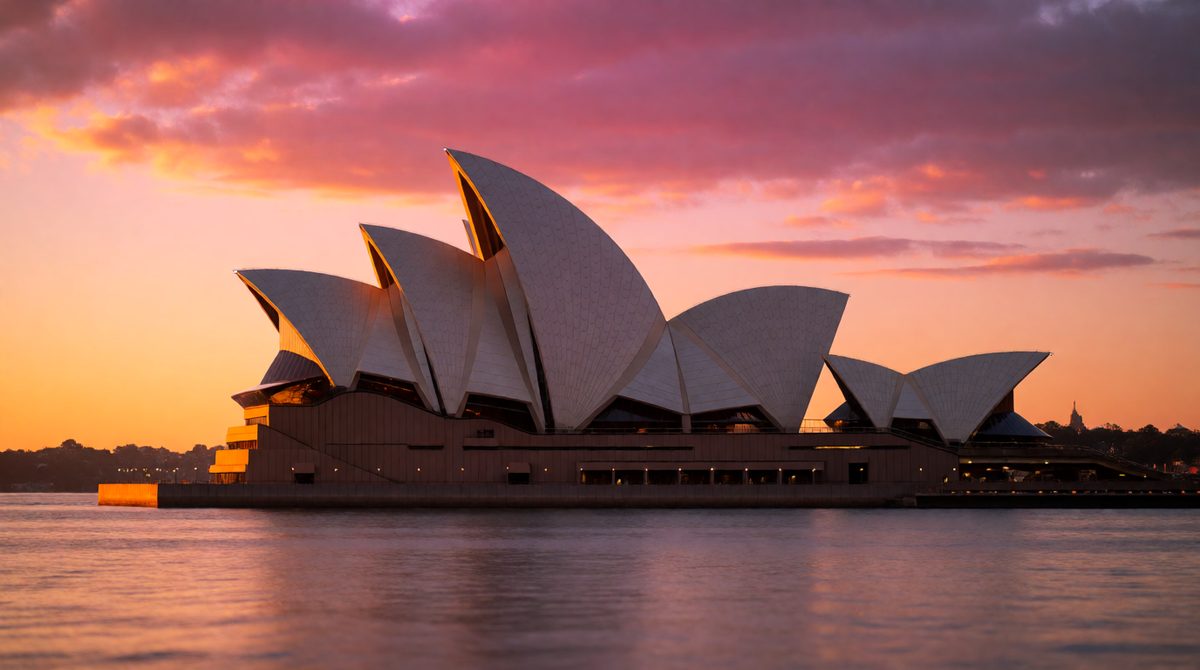
Destination branding creates a strong image
Think about Nike's swoosh, or McDonald's golden arches. You recognise them instantly, right? Destinations do exactly the same thing. Destination branding is the process of giving a place a clear, memorable identity that makes tourists want to visit it and remember it afterwards.
It's not just about a logo or a catchy slogan. It's about the feeling a place gives you. Is it adventurous? Romantic? Exotic? Relaxing? Organisations like National Tourism Organisations (NTOs) and Destination Management Companies (DMCs) work hard to shape that image.
Key Definitions:
- Destination Branding: Creating a unique identity for a place to make it stand out and attract tourists.
- Destination Image: The overall impression or perception that tourists have of a place whether accurate or not.
- Marketing Strategy: A planned approach used by organisations to promote a destination and reach target audiences.
- Unique Selling Point (USP): The one thing that makes a destination different from all its competitors.
- Target Market: The specific group of tourists an organisation is trying to attract (e.g. families, backpackers, luxury travellers).
💡 Why Does Branding Matter?
There are over 190 countries in the world, all competing for tourists. Without a strong brand, a destination gets lost in the noise. A powerful brand builds trust, sets expectations and gives tourists a reason to choose one place over another. It also helps attract the right kind of tourist which is just as important as attracting lots of tourists.
📣 Marketing Strategies Used by Organisations
Organisations use a wide range of marketing strategies to promote destinations. These can be split into two broad categories: above-the-line and below-the-line marketing.
📺 Above-the-Line Marketing
This is mass-market advertising aimed at a wide audience. It includes TV adverts, radio campaigns, billboard posters, cinema adverts and national newspaper spreads. It's expensive but reaches millions of people at once. NTOs often use this for major campaigns for example, a TV advert shown in the UK promoting holidays to Greece.
📧 Below-the-Line Marketing
This is more targeted and personal. It includes email marketing, travel brochures, social media posts, influencer partnerships and direct mail. It's cheaper and can be aimed precisely at a specific audience for example, sending luxury travel brochures only to high-income households.
📊 The Marketing Mix in Tourism
Organisations use the marketing mix (sometimes called the 4Ps) to plan their strategies. In tourism, this looks like:
🏭 Product
The destination itself its attractions, accommodation, culture and experiences. Organisations highlight the best features to make the destination appealing.
💲 Price
How affordable the destination is. Marketing can emphasise value for money, or alternatively position a place as exclusive and premium.
📍 Place
Where and how tourists can book travel agents, websites, apps, or direct booking. Making it easy to book is crucial.
The fourth P Promotion covers all the advertising, branding and campaigns we discuss throughout this lesson.
📋 Case Study: "100% Pure New Zealand" Tourism New Zealand
The Campaign: Launched in 1999 and still running today, "100% Pure New Zealand" is one of the most successful destination branding campaigns ever created. It promotes New Zealand's stunning natural landscapes mountains, fjords, beaches and forests as clean, unspoilt and authentic.
Who ran it? Tourism New Zealand, the country's NTO, developed and manages the campaign.
What made it work? It had a clear USP (pure, natural beauty), a consistent visual style (dramatic landscape photography) and a simple message that worked across TV, print and digital media. It also timed perfectly with the release of the Lord of the Rings films, which were filmed in New Zealand giving the brand a massive global boost.
Results: International visitor numbers grew significantly. New Zealand became known globally as a destination for adventure tourism and eco-tourism. The brand is still recognised worldwide over 25 years later.
Exam angle: This shows how a well-planned, consistent brand can transform a destination's global image and drive long-term tourism growth.
📷 Digital Marketing and Social Media
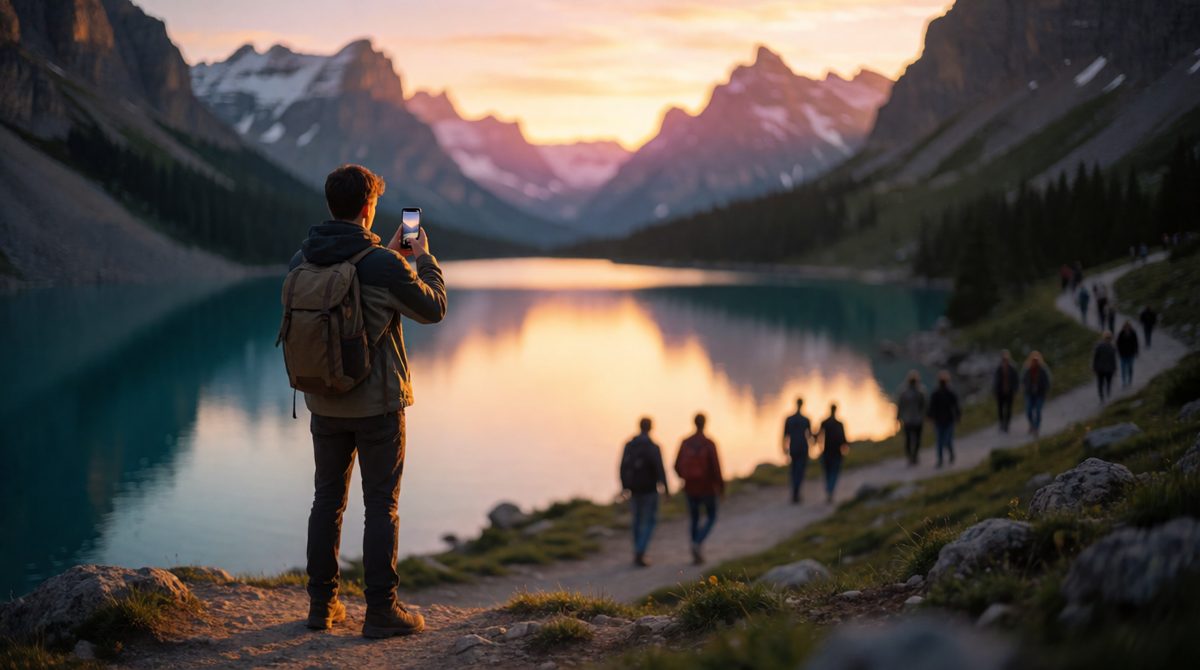
Social media turns a holiday photo into free advertising for a destination
The internet has completely changed how destinations are marketed. Twenty years ago, tourists relied on brochures and travel agents. Today, most people research and book holidays entirely online and social media plays a huge role in shaping where people want to go.
Key digital marketing tools used by tourism organisations:
- Official Tourism Websites: Every NTO has one. They provide information, booking links, itinerary ideas and travel advice. For example, visitbritain.com is run by VisitBritain.
- Search Engine Optimisation (SEO): Making sure a destination appears near the top of Google searches. If someone types "best beach holiday in Europe," organisations want their destination to appear first.
- Social Media Campaigns: Platforms like Instagram, TikTok, Facebook and YouTube are used to share stunning photos and videos. Hashtags help content spread organically.
- Influencer Marketing: Paying travel bloggers, YouTubers, or Instagram influencers to visit a destination and share their experience with their followers. This feels more authentic than a traditional advert.
- Email Marketing: Sending targeted newsletters and deals to people who have already shown interest in a destination.
- Online Travel Agencies (OTAs): Sites like Booking.com, Expedia and TripAdvisor. Destinations and hotels pay to appear prominently on these platforms.
📋 Case Study: Iceland Inspired by Iceland
Background: After the 2008 financial crisis, Iceland desperately needed to boost its economy. Tourism was identified as a key solution.
The Campaign: The "Inspired by Iceland" campaign launched in 2010 was a pioneering piece of digital marketing. It invited real Icelanders not actors to share videos of themselves enjoying their country. Tourists were encouraged to share their own Iceland experiences online using the campaign hashtag.
Why it was clever: It used user-generated content (UGC) real people sharing real experiences which felt far more trustworthy than polished adverts. It went viral on social media at a time when that was still a new concept.
Results: Tourist arrivals to Iceland grew from around 460,000 in 2010 to over 2 million by 2017. The campaign is widely studied as a model of effective digital destination marketing.
Exam angle: This case study is perfect for showing how digital marketing can rapidly transform a destination's visitor numbers and how authentic content can be more powerful than expensive advertising.
🎯 Building a Destination Brand Step by Step
Creating a destination brand isn't something that happens overnight. Organisations follow a careful process to get it right.
🔄 The Branding Process
🔍 1. Research
Organisations research what tourists already think about the destination, what competitors are doing and what the destination's genuine strengths are. Surveys, focus groups and data analysis are all used.
🌟 2. Identity Creation
A logo, slogan, colour palette and visual style are developed. These must reflect the destination's character. For example, bright blues and greens for a tropical island; bold reds and golds for a culturally rich city.
📣 3. Campaign Rollout
The brand is launched across multiple channels simultaneously TV, social media, travel fairs and press releases. Consistency across all platforms is essential so the message is clear and recognisable.
📋 Case Study: "Incredible India" India Tourism
The Campaign: Launched in 2002 by the Indian Ministry of Tourism, "Incredible India" aimed to reposition India as a world-class tourist destination moving away from a perception of poverty and chaos towards one of rich culture, spirituality and diversity.
Key elements: Striking photography of the Taj Mahal, Rajasthan's palaces, Kerala's backwaters and yoga retreats. The campaign used bold typography and vivid colours to reflect India's vibrancy. It ran across international TV, magazines and later social media.
Results: Foreign tourist arrivals to India grew from 2.4 million in 2002 to over 10 million by 2017. The brand is now one of the most recognised in global tourism.
Exam angle: This shows how a government-led NTO can use branding to completely change a destination's international image and attract a new type of tourist.
👥 Who Does the Marketing?
Marketing a destination is rarely done by just one organisation. It's usually a team effort involving several different bodies working together.
🌐 National Tourism Organisations (NTOs)
NTOs lead national-level marketing campaigns abroad. They have the biggest budgets and the widest reach. Examples include VisitBritain, Tourism Australia and Turespaña (Spain). They target international tourists and work to improve the country's global image.
🏭 Regional and Local Tourism Bodies
These focus on specific regions or cities. For example, Visit York promotes York specifically, while VisitScotland promotes Scotland as a whole. They target both domestic and international tourists and often have more detailed local knowledge.
Private sector businesses hotels, airlines, tour operators and attractions also do their own marketing, which adds to the overall promotion of a destination. When all these efforts align with the same brand message, the impact is much stronger.
📈 Measuring Marketing Success
How do organisations know if their marketing is working? They use a range of measures to evaluate the effectiveness of campaigns.
- Visitor numbers: Has the number of tourists increased since the campaign launched?
- Tourist spending: Are visitors spending more money? This shows whether the right type of tourist is being attracted.
- Brand awareness surveys: Do people in target markets recognise and feel positive about the destination?
- Website traffic and social media engagement: How many people are visiting the official tourism website? How many likes, shares and comments are campaign posts getting?
- Return on investment (ROI): For every pound spent on marketing, how much tourist spending does it generate? A good campaign should generate far more than it costs.
📋 Case Study: VisitBritain GREAT Britain Campaign
The Campaign: Launched in 2012 alongside the London Olympics, the GREAT Britain campaign is the UK government's most ambitious tourism marketing effort. It promotes Britain's culture, heritage, countryside and creativity to international audiences.
Who runs it? VisitBritain, the UK's NTO, in partnership with the Foreign, Commonwealth and Development Office (FCDO) and hundreds of private sector partners.
Key messages: Britain is GREAT for culture, food, countryside, sport and creativity. The campaign uses the word "GREAT" as a flexible brand device that can be applied to different themes.
Digital approach: The campaign has a strong social media presence, with dedicated accounts on Instagram, Twitter and YouTube. It has worked with travel influencers and produced high-quality video content showcasing lesser-known parts of the UK helping to spread tourists beyond London.
Results: VisitBritain estimates the campaign has generated billions of pounds in additional tourism spending. It is active in over 20 countries and is considered one of the most effective national tourism marketing campaigns in the world.
⚠️ Challenges in Destination Marketing
Marketing a destination isn't always straightforward. Organisations face several real challenges.
- Negative media coverage: A terrorist attack, natural disaster, or political crisis can instantly damage a destination's image no matter how good the marketing was before. Organisations must respond quickly with crisis communications.
- Competition: Every destination is competing for the same tourists. Standing out in a crowded market is increasingly difficult.
- Overtourism: Successful marketing can attract too many tourists, damaging the very things that made the destination attractive. Organisations must balance promotion with management.
- Changing tourist behaviour: Tourists today are more independent, more digitally savvy and more ethically aware. Marketing must evolve constantly to keep up.
- Budget constraints: NTOs in smaller or less wealthy countries often have very limited marketing budgets compared to major competitors.
💡 Exam Tip: Marketing vs Branding
Students often confuse these two terms. Remember: branding is about creating an identity (the logo, slogan, image and feeling of a place). Marketing is about communicating that identity to potential tourists through campaigns, adverts and promotions. Branding comes first then marketing spreads the brand message. In an exam, make sure you use both terms correctly and explain how they work together.
📚 Quick Recap: Marketing Strategies and Destination Branding
- 🎯 Destination branding gives a place a unique identity to attract tourists and stand out from competitors.
- 📣 Marketing strategies include above-the-line (TV, billboards) and below-the-line (social media, email) approaches.
- 📷 Digital marketing websites, social media, influencers and SEO is now central to destination promotion.
- 🌐 NTOs lead national marketing campaigns, while regional bodies and private businesses add to the effort.
- 📈 Success is measured through visitor numbers, spending, brand awareness and return on investment.
- 📋 Case studies: "100% Pure New Zealand," "Inspired by Iceland," "Incredible India," and GREAT Britain all show effective branding in action.
- ⚠️ Challenges include negative media, competition, overtourism and changing tourist behaviour.