🌿 Natural Environment
Includes everything that exists without human intervention coastlines, forests, deserts, rivers, mountains, climate and biodiversity. These features are often the primary reason tourists visit a destination.
Sign up to access the complete lesson and track your progress!
Unlock This CourseHave you ever wondered why millions of tourists flock to the Maldives or the Swiss Alps, but not to a muddy industrial town? The answer lies in a mix of natural features and built features that either attract visitors or put them off. In iGCSE Travel & Tourism, we call these opportunities and constraints.
Understanding these factors is essential for anyone working in tourism whether you're planning a new resort, managing a national park, or trying to save a historic city from being overrun by tourists.
Key Definitions:
Includes everything that exists without human intervention coastlines, forests, deserts, rivers, mountains, climate and biodiversity. These features are often the primary reason tourists visit a destination.
Includes everything humans have constructed from ancient temples to modern airports. The built environment can both attract tourists (e.g. the Eiffel Tower) and support them (e.g. hotels, roads and restaurants).
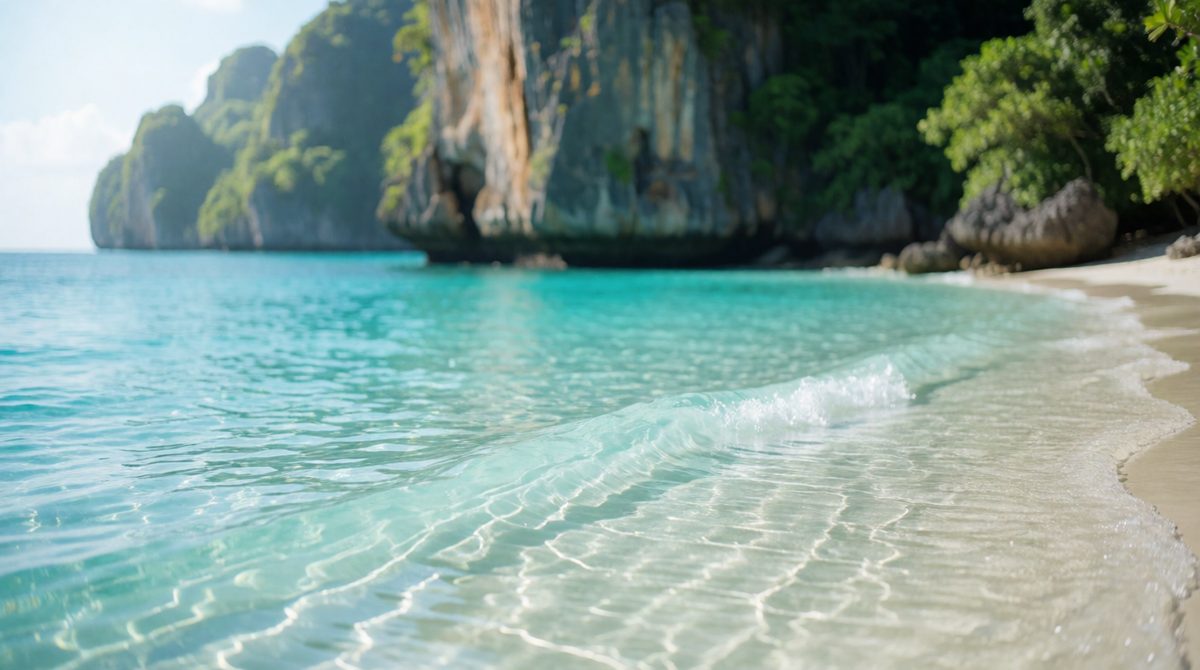
Natural features create opportunities for tourism
The natural world is one of tourism's greatest assets. From sun-soaked beaches to dramatic mountain ranges, natural features draw tourists in huge numbers. Here are the main opportunities:
Warm, sunny climates are a massive draw for tourists especially those from colder countries. The Mediterranean, the Caribbean and Southeast Asia all benefit from reliable sunshine that makes beach holidays, outdoor activities and festivals possible. A predictable climate helps tourism businesses plan ahead and market their destination confidently.
The term "sun, sea and sand" tourism is one of the most common forms of mass tourism in the world. It relies almost entirely on natural climate and coastal features.
Dramatic or beautiful landscapes are a huge tourism opportunity. Mountains, canyons, waterfalls and forests all attract visitors who want to hike, photograph, or simply enjoy nature.
Unique wildlife is a powerful tourism magnet. Ecotourism and safari tourism have grown rapidly as tourists seek authentic wildlife experiences. Countries with rich biodiversity can develop niche tourism products that command high prices.
The Maldives is a chain of low-lying coral islands in the Indian Ocean. Its natural environment crystal-clear turquoise water, white sand beaches and vibrant coral reefs has made it one of the world's most desirable luxury tourism destinations. The government has developed a "one island, one resort" policy to protect the natural environment while still allowing tourism to thrive. However, rising sea levels due to climate change pose a serious long-term constraint the islands may be submerged within decades.
Nature doesn't always cooperate with tourism plans. There are several natural constraints that can seriously limit development or put tourists off visiting.
Very hot, cold, wet, or unpredictable weather can deter tourists. Monsoon seasons, hurricanes and blizzards can close resorts and damage infrastructure. The Caribbean hurricane season (June–November) reduces tourism significantly.
Earthquakes, volcanic eruptions, tsunamis and flooding can destroy tourism infrastructure and scare visitors away. The 2004 Indian Ocean Tsunami devastated tourism in Thailand, Sri Lanka and Indonesia for years.
Steep mountains, dense jungles, or remote deserts make it expensive and difficult to build roads, airports and hotels. This limits access and raises costs for both developers and tourists.
Some natural environments are so delicate that too much tourism can destroy the very thing that attracted visitors in the first place. This is a major constraint on how much tourism can be developed sustainably.
Humans have been building impressive structures for thousands of years and many of them are now major tourist attractions. The built environment also provides the infrastructure that makes tourism possible.
Historic buildings, monuments and UNESCO World Heritage Sites are among the most visited places on Earth. They give destinations a unique identity and attract cultural tourists who want to learn about history and civilisations.
Without good transport links, even the most beautiful destination will struggle to attract tourists. Airports, motorways, railways and ports are all essential parts of the built environment that enable tourism to grow.
International airports are the gateways to tourism. Dubai International Airport is one of the world's busiest, helping to make the UAE a global tourism hub. Without it, Dubai's tourism industry would not exist at the scale it does today.
Good road and rail networks allow tourists to travel within a destination. The expansion of high-speed rail in Europe has made city-break tourism much more accessible and environmentally friendly.
Hotels, hostels, restaurants, visitor centres and shopping areas are all part of the built environment that supports tourism. Without these, tourists simply cannot stay and spend money in a destination.
Dubai is a remarkable example of using the built environment to create a world-class tourism destination almost from scratch. In the 1970s, it was a small fishing town. Today it has the world's tallest building (Burj Khalifa), artificial islands (Palm Jumeirah), indoor ski slopes and luxury mega-malls. Dubai attracted over 14 million tourists in 2023. The natural environment offers little it's a hot desert but massive investment in the built environment has overcome this constraint entirely.
The built environment can also create serious problems for tourism development and management.
When too many hotels, shops and attractions are built, destinations can become overcrowded and lose their appeal. This is called overtourism. The very things that made a place attractive its charm, authenticity and peace can be destroyed by too much development.
In many developing countries, the lack of good roads, reliable electricity, clean water and sanitation is a major constraint on tourism development. Tourists expect a certain standard of comfort and safety without basic infrastructure, destinations struggle to attract visitors.
Heavy tourism development can lead to air, water and visual pollution. Overdeveloped coastlines with ugly concrete hotels can destroy the very scenery that attracted tourists. Plastic waste on beaches is a growing global problem.
War, terrorism, political instability and crime are powerful constraints. Even a single major incident can cause tourist numbers to collapse for years. Egypt's tourism suffered badly after the Arab Spring uprisings in 2011.
The key challenge for tourism planners and managers is to maximise the opportunities while minimising the constraints. This requires careful planning, investment and management strategies.
Protecting natural environments through national parks, marine reserves and visitor limits. Helps preserve the natural assets that attract tourists in the first place.
Separating tourist areas from residential areas to reduce conflict. Used in Venice and many beach resorts to manage overcrowding and protect local communities.
Building better roads, airports and facilities to open up new destinations and improve the tourist experience. Critical for developing countries looking to grow their tourism industry.
Machu Picchu is an ancient Inca citadel high in the Andes Mountains. Its dramatic mountain setting (natural environment) and incredible Inca stonework (built environment) make it one of the world's most iconic tourist destinations. However, it faces serious constraints: the site is fragile, the mountain terrain limits access and overtourism has caused erosion and damage to the ruins. Peru now limits daily visitor numbers to 5,600 per day and requires timed entry tickets to manage the pressure on this UNESCO World Heritage Site.
In the exam, you'll often be asked to evaluate the opportunities and constraints of a specific destination. Always try to give named examples, explain why something is an opportunity or constraint and suggest how it might be managed. Balance is key show both sides!