🌄 What Is Seasonality in Tourism?
Have you ever noticed that some holiday destinations are absolutely packed in summer but feel like ghost towns in winter? That's seasonality at work. It's one of the biggest challenges facing the tourism industry worldwide.
Seasonality means that tourist numbers are not spread evenly throughout the year. Instead, they peak at certain times and drop sharply at others. This creates huge problems for businesses, workers and the environment.
Key Definitions:
- Seasonality: The tendency for tourist arrivals to be concentrated in particular periods of the year, creating peaks and troughs in demand.
- Peak season: The busiest time of year for a destination, when visitor numbers and prices are at their highest.
- Off-peak season: The quietest period, when visitor numbers and prices are at their lowest.
- Shoulder season: The periods between peak and off-peak, offering moderate visitor numbers and prices.
☀️ Natural/Climatic Seasonality
This is caused by weather and climate. People visit beach destinations in summer when it's warm and sunny. Ski resorts fill up in winter when there's snow. Mediterranean destinations like Spain and Greece see 70–80% of their visitors between June and September.
📅 Institutional Seasonality
This is caused by human decisions like school holidays, public holidays and religious festivals. Most families travel during school summer holidays, creating a massive peak in July and August regardless of the weather. Easter and Christmas also create short but intense peaks.
📈 The Peaks and Troughs: Understanding the Pattern
Think of seasonality like a graph with big spikes and deep valleys. The spikes are peak season hotels full, prices high, queues everywhere. The valleys are off-peak empty hotels, reduced services, staff laid off. Neither extreme is ideal for a well-managed destination.
💵 Economic Effects of Seasonality
Seasonality creates serious economic problems. Businesses earn most of their annual income in just a few months, which makes financial planning very difficult. Workers face uncertain employment and local economies can become dangerously dependent on a short tourist season.
📈 Boom Time
During peak season, hotels charge premium prices, restaurants are fully booked and transport is stretched. Businesses make the bulk of their annual profit in just weeks.
💷 The Quiet Months
Off-peak sees hotels close entirely, staff lose jobs or go part-time and shops shut. Some businesses earn nothing for 4–6 months of the year.
👥 Workers Pay the Price
Seasonal workers often young people or migrants face insecure contracts, low wages and unemployment in the off-season. This makes it hard to attract skilled, permanent staff.
🔍 Case Study: Newquay, Cornwall, UK 🌊
Newquay is one of the UK's most popular seaside resorts, famous for surfing and beaches. In summer, the town's population effectively doubles as tourists flood in. Hotels charge three times their winter rates. However, from October to March, many businesses close, unemployment rises sharply and the town feels deserted. Local businesses report earning up to 80% of their annual income in just 12 weeks. The local council has actively tried to extend the season by promoting surf competitions, food festivals and winter short breaks with some success.
🌿 Environmental Effects of Seasonality
Seasonality doesn't just hurt wallets it damages the natural environment too. When millions of tourists arrive at the same time, the pressure on ecosystems, beaches and wildlife can be enormous. Then, in the off-season, the same areas are virtually abandoned.
- Overcrowding in peak season leads to erosion of footpaths, damage to coral reefs, litter and pollution of water sources.
- Wildlife disturbance is concentrated into a short period, which can disrupt breeding seasons and feeding patterns.
- Infrastructure strain sewage systems, roads and water supplies are built to cope with peak numbers, which is wasteful and expensive for the rest of the year.
- Off-season neglect some habitats actually recover during the quiet months, showing that managed seasonality can have environmental benefits.
🔍 Case Study: The Lake District, England ⛰️
The Lake District National Park receives around 19 million visitors per year, but the vast majority come between April and October. In summer, car parks overflow, footpaths erode and lakes become congested with boats. The famous path up Scafell Pike England's highest mountain suffers serious erosion during peak months. The National Park Authority has introduced path restoration projects, promoted off-peak walking festivals in autumn and winter and encouraged visitors to explore quieter areas away from Windermere and Ambleside. These strategies aim to spread visitor pressure more evenly across the year and across the park.
⚖️ Strategies to Manage Seasonality
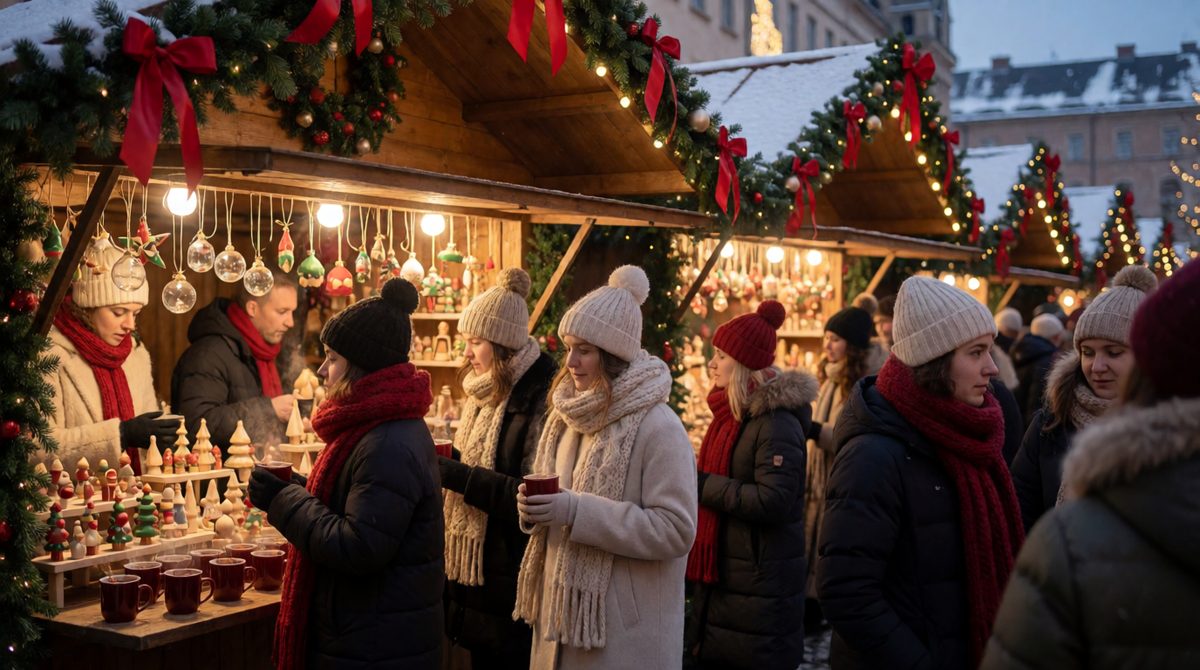
Events help attract visitors outside peak season
The good news is that destinations don't have to just accept seasonality they can actively manage it. There are two main approaches: extending the tourist season and spreading visitors more evenly throughout the year. Let's look at the key strategies used.
🎉 Strategy 1: Creating New Attractions and Events
One of the most effective ways to attract visitors in the off-peak season is to give them a reason to come. Events, festivals and new attractions can turn a quiet month into a mini-peak.
- Music and cultural festivals Edinburgh's Hogmanay (New Year) festival attracts 80,000+ visitors in the depths of winter.
- Sporting events ski resorts host mountain biking and hiking events in summer to attract visitors when there's no snow.
- Christmas markets cities like Bath, York and Manchester draw huge crowds in November and December, extending the tourist season into winter.
- Food and drink festivals these can be held at any time of year and attract domestic tourists who don't need to travel far.
💵 Strategy 2: Pricing Strategies
Price is a powerful tool. By making off-peak travel cheaper and peak travel more expensive, businesses and governments can encourage visitors to spread their trips throughout the year.
📈 Off-Peak Discounts
Hotels, airlines and attractions offer heavily discounted rates in quiet months. A hotel room in Tenerife might cost £150 per night in August but only £60 in January. This makes off-peak travel attractive to budget-conscious tourists, particularly retired people and couples without school-age children.
💷 Peak Surcharges
Some destinations charge more during peak periods to manage demand. National parks may charge higher parking fees in summer. Popular attractions like Stonehenge use timed entry tickets to spread visitor numbers throughout the day a form of micro-seasonality management.
🎓 Strategy 3: Targeting Different Market Segments
Different groups of tourists have different patterns of travel. By targeting markets that can travel at any time of year, destinations can fill the gaps in their tourist calendar.
- Retired and older tourists not tied to school holidays, they can travel any time. Many prefer quieter off-peak periods. The "grey market" is growing rapidly.
- Business tourism and conferences business travellers visit year-round, filling hotels during weekdays and in quieter months.
- Domestic short breaks encouraging local people to take weekend breaks in autumn or spring can boost off-peak numbers significantly.
- Special interest groups birdwatchers, historians, walkers and foodies are less weather-dependent and can be attracted year-round.
🔍 Case Study: Iceland ❄️
Iceland is a brilliant example of a destination that has successfully tackled seasonality. Traditionally, most tourists came in summer (June–August) to see the midnight sun and green landscapes. The off-peak winter months were very quiet. Iceland's tourism authorities launched a major campaign promoting winter tourism, centred on the Northern Lights (Aurora Borealis), which are only visible in winter. They also promoted geothermal spas like the Blue Lagoon as year-round attractions. The result? Iceland's tourist numbers grew from around 500,000 in 2010 to over 2.3 million by 2018, with winter visitor numbers increasing dramatically. The shoulder and off-peak seasons now account for a much larger share of annual visits. However, this rapid growth has also brought new challenges around overtourism.
🌎 Strategy 4: Developing All-Season Products
Some destinations invest in facilities and experiences that work regardless of the weather or time of year. This is known as developing all-season tourism products.
- Indoor attractions museums, galleries, aquariums and theme parks can operate year-round and are not weather-dependent.
- Spa and wellness tourism growing rapidly, this market attracts visitors in all seasons who want relaxation rather than sunshine.
- Ski resorts diversifying Alpine resorts like Verbier and Chamonix now actively market summer hiking, mountain biking and paragliding to attract visitors outside the ski season.
- Heritage tourism historical sites, castles and cultural attractions draw visitors year-round, especially domestic tourists on short breaks.
🔍 Case Study: Dubai, UAE 🏛 Year-Round Tourism
Dubai has deliberately built a tourism model that minimises seasonality. While the outdoor summer months (June–September) are extremely hot (often above 40°C), Dubai has invested massively in indoor attractions: the Dubai Mall (the world's largest shopping centre), indoor ski slope Ski Dubai, aquariums and world-class hotels with indoor entertainment. The result is that Dubai attracts visitors year-round. The cooler winter months (November–March) remain the most popular, but summer sees significant visitor numbers from markets that enjoy the heat, such as tourists from Russia and Eastern Europe, as well as domestic residents using local attractions. Dubai's strategy shows how investment in built infrastructure can overcome natural climatic seasonality.
🏛 The Role of Governments and Tourism Organisations
Managing seasonality isn't just the job of individual hotels or tour operators. Governments and national tourism organisations (NTOs) play a crucial role in coordinating strategies at a national level.
- Marketing campaigns NTOs promote off-peak travel through advertising, social media and travel trade shows. VisitBritain, for example, runs campaigns encouraging autumn and winter visits to the UK.
- Staggering school holidays some countries have experimented with spreading school holidays across different regions at different times to reduce the intensity of the summer peak. France has a regional holiday rota system for this reason.
- Infrastructure investment governments may fund new attractions, transport links, or facilities that make off-peak visits more attractive.
- Grants and incentives financial support for businesses to stay open year-round, or to develop new off-peak products.
✅ Benefits of Managing Seasonality
- More stable employment for local workers
- Better use of tourism infrastructure year-round
- Reduced environmental pressure in peak season
- More reliable income for businesses
- Better visitor experience less crowding
- More sustainable tourism development overall
❌ Challenges of Managing Seasonality
- Climate and weather are hard to change some destinations are simply unattractive in winter
- School holiday patterns are deeply embedded in society
- Marketing campaigns are expensive and take time to work
- Some environments need the off-season to recover
- Tourists may resist changing their habits
- Over-extending the season can increase environmental damage
📚 Summary: Seasonality and Its Management
Seasonality is one of the most significant challenges in tourism management. It creates economic instability, environmental pressure and social problems for host communities. However, with the right strategies from creative marketing and pricing to product development and government policy destinations can reduce the extremes of peak and off-peak seasons and build a more sustainable, year-round tourism industry.
📅 Causes
Climate and weather; school and public holidays; cultural and religious events; traditional travel habits.
💥 Impacts
Seasonal unemployment; environmental damage in peak; business instability; infrastructure strain; poor visitor experience.
⚖️ Management
Events and festivals; pricing strategies; targeting new markets; all-season products; government campaigns; staggered holidays.
🌟 Exam Tips
- 👉 Always define seasonality clearly before explaining its effects examiners want to see you know the term precisely.
- 👉 Use named examples in every answer. "A coastal resort in the UK" is weak. "Newquay, Cornwall" is much stronger.
- 👉 When asked to evaluate strategies, always discuss both advantages and limitations no strategy is perfect.
- 👉 Remember that seasonality has economic, environmental and social impacts try to cover all three in extended answers.
- 👉 The command word "suggest" means give a strategy and briefly explain how it would work you don't need to prove it has worked.
- 👉 For case study questions, learn specific facts and figures dates, statistics and named strategies impress examiners.