🌿 Government Environmental & Sociocultural Objectives
We already know that governments want tourism to make money and boost their country's reputation. But there's another side to the story. Governments also have a responsibility to protect the places and people that make tourism possible in the first place. If a beautiful beach gets ruined by overdevelopment, or a local community loses its culture because of mass tourism, then the very thing that attracted visitors disappears. That's bad for everyone.
This is why governments set environmental and sociocultural objectives goals that aim to keep tourism sustainable and fair for both the environment and local people.
Key Definitions:
- Environmental objective: A government goal focused on protecting, conserving, or improving the natural environment through tourism policy.
- Sociocultural objective: A government goal focused on protecting the culture, traditions, identity and wellbeing of local communities affected by tourism.
- Sustainable tourism: Tourism that meets the needs of visitors today without damaging the environment or culture for future generations.
- Cultural commodification: When a culture's traditions, art, or ceremonies are turned into products for tourists often losing their original meaning.
🌿 Environmental Objectives of Government Tourism Policy
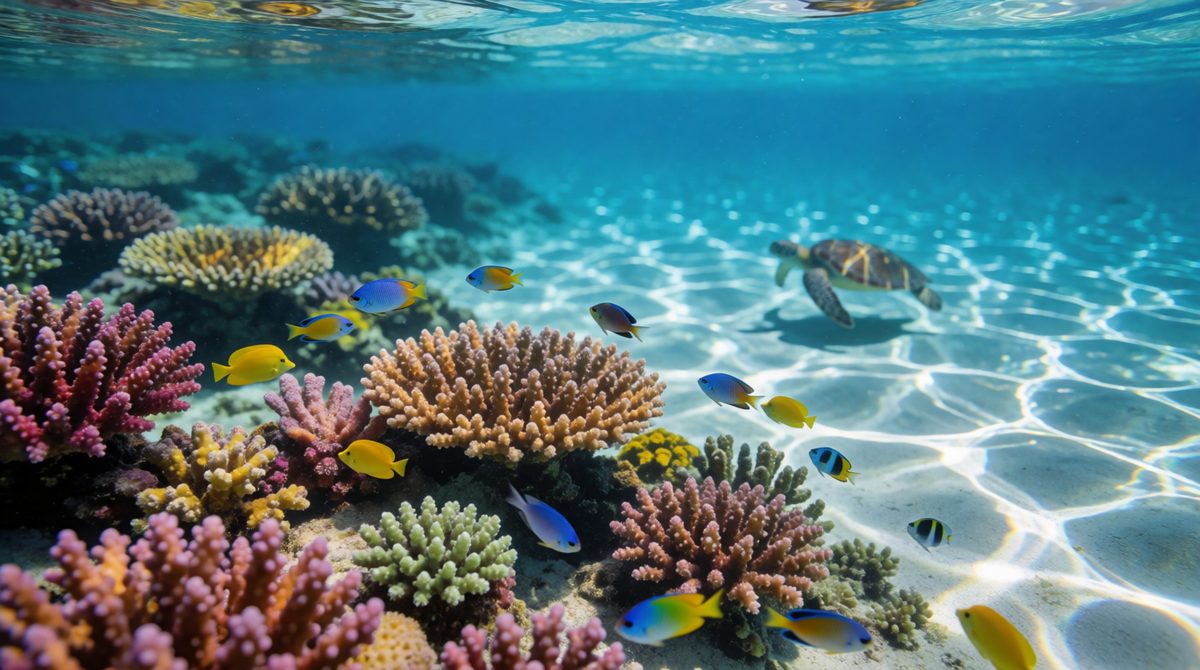
Governments protect the environment through tourism policy
Governments around the world recognise that tourism can cause serious environmental damage from pollution and habitat loss to water shortages and carbon emissions. Environmental objectives are the goals governments set to prevent, reduce, or reverse this damage while still allowing tourism to thrive.
🌎 1. Conserving Biodiversity and Natural Habitats
One of the most important environmental objectives is making sure that wildlife and ecosystems are not destroyed by tourism. Governments do this by creating protected areas such as national parks, marine reserves and UNESCO World Heritage Sites.
These areas restrict what visitors can do for example, banning off-road vehicles, limiting fishing, or requiring guided tours only. The idea is that nature is the attraction, so it must be looked after.
🔍 Case Study: Kenya's National Parks 🐘
Kenya's government manages over 50 national parks and reserves, including the famous Maasai Mara. The Kenya Wildlife Service (KWS) enforces strict rules: no off-road driving, no feeding animals and set visitor numbers in sensitive areas. Revenue from park entry fees tourists pay up to $200 per day in some parks goes directly into conservation funding. This model shows how environmental protection and tourism income can work together. However, the government must constantly balance rising visitor numbers with the risk of habitat disturbance.
⛈️ 2. Reducing Carbon Footprint and Pollution
Tourism contributes significantly to carbon emissions, especially through air travel. Governments increasingly set objectives to reduce the carbon footprint of the tourism industry. This includes promoting low-carbon transport, encouraging eco-certified accommodation and investing in renewable energy at tourist sites.
Pollution from tourism litter, sewage, noise and light pollution is also a major concern. Governments may introduce fines, waste management programmes, or "leave no trace" campaigns to tackle this.
✅ What Governments Can Do
Introduce carbon taxes on flights, fund electric shuttle buses to heritage sites, ban single-use plastics in tourist areas, require hotels to meet energy efficiency standards and invest in sewage treatment near coastal resorts.
❌ Challenges They Face
Tourism businesses may resist regulations that increase their costs. International tourists are hard to regulate. Developing countries may prioritise economic growth over environmental protection. Enforcement in remote areas is difficult and expensive.
🏔 3. Protecting Landscapes and Scenic Beauty
Governments often set objectives to protect the visual and physical character of landscapes that attract tourists. This can mean controlling where hotels are built, setting height limits on buildings near coastlines, or banning advertising billboards in national parks.
In many countries, planning laws prevent overdevelopment in sensitive areas. For example, building regulations in the UK's National Parks strictly limit new construction to protect the scenery that walkers and nature tourists come to enjoy.
🔍 Case Study: Bhutan 🏔 The "High Value, Low Impact" Model
Bhutan is one of the world's most remarkable examples of government-led environmental tourism management. The Bhutanese government charges a Sustainable Development Fee (SDF) currently $100 per person per night on all international tourists. This fee funds environmental conservation, infrastructure and free education and healthcare for citizens. Bhutan also limits total visitor numbers to protect its fragile Himalayan ecosystems and Buddhist cultural heritage. The government's philosophy is "high value, low impact" attract fewer, wealthier tourists who spend more and damage less. This is a direct government environmental objective translated into policy.
👥 Sociocultural Objectives of Government Tourism Policy
Tourism doesn't just affect the environment it affects people. When millions of visitors arrive in a place, they bring their own values, habits and expectations. This can change local communities in both positive and negative ways. Governments set sociocultural objectives to make sure tourism benefits local people and doesn't erode their culture or quality of life.
🏭 1. Preserving Cultural Heritage
Many governments see tourism as a way to fund and justify the preservation of historic buildings, traditional crafts, languages and ceremonies. Without tourism income, many heritage sites would fall into disrepair. However, too much tourism can damage the very heritage it's supposed to celebrate.
Governments may set objectives to restore historic sites, train local guides and ensure that cultural events remain authentic rather than becoming "performances" for tourists.
🔍 Case Study: Japan 🏭 Protecting Kyoto's Heritage
Kyoto received over 53 million visitors per year before the COVID-19 pandemic far more than its population of 1.4 million could comfortably absorb. The Japanese government and Kyoto city council introduced a range of sociocultural measures: banning photography in certain geisha districts, restricting tourist access to some temples and launching campaigns asking visitors to respect local customs. The government's objective was clear preserve the cultural authenticity of Kyoto so it remains a genuine living city, not just a theme park. A tourist tax was also introduced, with funds going directly into heritage conservation.
🏆 2. Empowering Local Communities
A key sociocultural objective for many governments is making sure that local people benefit from tourism, not just large international companies. This means creating jobs for local residents, supporting locally owned businesses and involving communities in tourism planning decisions.
When local people feel tourism is working for them, they are more likely to support it and protect the culture and environment that attracts visitors. When they feel excluded, resentment can grow sometimes leading to anti-tourism protests, as seen in Barcelona and Amsterdam in recent years.
🌿 Community-Based Tourism (CBT)
Community-based tourism is a model where local people manage and own tourism activities. Governments can support CBT by providing training, funding and legal frameworks. Examples include village homestays in rural Nepal, guided tours run by indigenous communities in Australia and craft cooperatives in West Africa.
💵 Keeping Money Local
Governments may set objectives to reduce economic leakage where tourism money flows out of the country to foreign-owned hotel chains or tour operators. By promoting local ownership, governments ensure more of the tourism income stays within the community and improves local living standards.
🔍 Case Study: New Zealand 🍀 Maori Cultural Tourism
New Zealand's government has worked closely with Maori communities to develop tourism that celebrates and preserves indigenous culture. Tourism New Zealand actively promotes Maori cultural experiences including the haka, traditional weaving and guided tours of sacred sites. Crucially, Maori communities own and control these tourism products. The government's objective is twofold: attract tourists interested in authentic indigenous culture and ensure Maori people benefit economically and maintain cultural pride. This is a strong example of sociocultural objectives being met through tourism policy.
⚖️ 3. Preventing Social Disruption and Protecting Quality of Life
Mass tourism can disrupt the daily lives of local residents. Overcrowded streets, rising house prices (as homes are converted to holiday lets), increased noise and litter and changes to local shops and services can all reduce the quality of life for people who actually live there.
Governments increasingly set objectives to protect residents from these negative effects. This might include regulating short-term holiday lets (like Airbnb), zoning laws that keep tourist areas separate from residential neighbourhoods, or limits on the number of cruise ships allowed to dock per day.
🔍 Case Study: Amsterdam, Netherlands 🏠 Fighting Overtourism
Amsterdam received 20 million tourists per year in recent years in a city of just 900,000 people. Residents complained about noise, litter, anti-social behaviour and being priced out of their own neighbourhoods. The Dutch government and Amsterdam city council responded with a clear sociocultural objective: put residents first. Measures included banning new tourist shops in the city centre, restricting Airbnb rentals to 30 nights per year, launching a campaign telling badly-behaved tourists they are "not welcome," and redirecting tourists to less-visited parts of the Netherlands. This shows government actively managing tourism to protect sociocultural wellbeing.
🌄 4. Avoiding Cultural Commodification
Governments in countries with rich cultural traditions often set objectives to prevent their culture from being cheapened or misrepresented for tourist entertainment. When sacred ceremonies become ticketed shows, or traditional crafts are replaced by mass-produced souvenirs made abroad, the culture loses its meaning.
Governments can tackle this by setting standards for cultural tourism products, supporting authentic artisan crafts and educating tourists about respectful behaviour.
⚖️ Balancing Environmental and Sociocultural Objectives with Economic Growth
Here's the tricky part: governments want tourism to make money AND protect the environment AND support local communities. These goals can sometimes pull in opposite directions. More tourists means more money but also more environmental damage and more social disruption. Governments must find the right balance.
💵 Economic Goal
Maximise visitor numbers and spending to boost GDP, create jobs and earn foreign exchange.
🌿 Environmental Goal
Protect ecosystems, reduce pollution, conserve biodiversity and maintain scenic landscapes.
🏆 Sociocultural Goal
Preserve cultural heritage, empower local communities and protect residents' quality of life.
The tension between these goals is one of the most important themes in the iGCSE Travel & Tourism course. There is rarely a perfect solution governments must make difficult choices and accept trade-offs.
💡 Key Exam Point: The Role of National Tourism Organisations (NTOs) in Environmental and Sociocultural Goals
NTOs (such as VisitBritain, Tourism New Zealand, or the Kenya Tourism Board) are government-backed bodies that help implement environmental and sociocultural objectives. They do this by promoting responsible tourism in marketing campaigns, setting quality standards for tourism businesses, funding conservation projects and working with local communities to develop sustainable tourism products. In the exam, always link government objectives to the specific organisations and policies that carry them out.
📈 Tools Governments Use to Meet Environmental and Sociocultural Objectives
Governments don't just set goals they use a range of practical tools to achieve them. Understanding these tools is essential for exam success.
🔒 Regulatory Tools (Laws and Rules)
- National park designations with visitor rules
- Planning laws restricting hotel development
- Visitor number caps at sensitive sites
- Bans on certain tourist behaviours (e.g., climbing Uluru in Australia)
- Regulations on cruise ship arrivals
💷 Economic Tools (Money and Taxes)
- Tourist taxes and entry fees funding conservation
- Subsidies for eco-certified businesses
- Grants for community tourism projects
- Fines for environmental damage
- Tax incentives for sustainable hotel development
🎓 Educational Tools (Changing Behaviour)
- Tourist codes of conduct at heritage sites
- Visitor centre interpretation programmes
- School education programmes about local culture
- Marketing campaigns promoting responsible tourism
- Signage in multiple languages at sensitive sites
🌎 Partnership Tools (Working Together)
- Agreements with UNESCO for World Heritage Site management
- Partnerships with NGOs for conservation projects
- Community consultation in tourism planning
- International agreements on eco-tourism standards
- Joint ventures between government and indigenous communities
📚 Summary: Government Environmental and Sociocultural Objectives
🌿 Environmental Objectives
- Conserve biodiversity and natural habitats
- Reduce carbon emissions and pollution from tourism
- Protect landscapes and scenic beauty
- Manage visitor numbers at fragile sites
- Fund conservation through tourist taxes and fees
🏆 Sociocultural Objectives
- Preserve cultural heritage and traditions
- Empower local communities through CBT
- Protect residents' quality of life from overtourism
- Prevent cultural commodification
- Ensure local people benefit economically from tourism
🌟 Exam Tips
- Use named examples: Always support your answers with specific case studies Bhutan, Kenya, Japan, New Zealand and Amsterdam all work brilliantly here.
- Show tensions: The best exam answers recognise that environmental, sociocultural and economic objectives can conflict with each other.
- Link objectives to tools: Don't just say "governments protect the environment" explain HOW, using specific policies, taxes, laws, or organisations.
- Use key terms: Cultural commodification, sustainable tourism, community-based tourism, economic leakage and carrying capacity are all relevant here.
- Evaluation matters: For higher marks, evaluate whether government objectives are actually being achieved are the policies working?