🌿 What is Biodiversity?
Biodiversity simply means the variety of life on Earth every plant, animal, insect, fungus and microorganism that exists. A place with high biodiversity has lots of different species living together in a healthy, balanced ecosystem. Think of a coral reef buzzing with hundreds of fish species, or a rainforest packed with exotic birds, insects and plants. These are the kinds of places that attract millions of tourists every year!
But here's the problem: tourism itself can damage the very biodiversity that draws visitors in the first place. Managing destinations sustainably means finding a balance letting people enjoy these amazing places without destroying them.
Key Definitions:
- Biodiversity: The variety of all living organisms in a given area, including plants, animals, fungi and microorganisms.
- Ecosystem: A community of living organisms interacting with each other and their physical environment.
- Sustainable tourism: Tourism that meets the needs of present tourists without compromising the ability of future generations to enjoy the same destinations.
- Conservation: The protection and careful management of natural environments and wildlife.
- Habitat destruction: The process by which a natural habitat becomes unable to support its native species, often caused by human activity.
- Carrying capacity: The maximum number of visitors a destination can handle without causing environmental damage.
🌿 Why Biodiversity Matters to Tourism
Tourists travel specifically to see wildlife, rainforests, coral reefs and scenic landscapes. Without biodiversity, these attractions disappear. Ecotourism travel focused on nature is one of the fastest-growing sectors in the travel industry. Countries like Costa Rica and Kenya earn billions from visitors who come purely to experience their rich natural environments. Protecting biodiversity is therefore not just an environmental issue it's an economic one too.
⚠ How Tourism Threatens Biodiversity
Tourism can harm biodiversity in several ways. Building hotels and roads destroys habitats. Tourists disturb wildlife by getting too close or making noise. Litter and pollution damage ecosystems. Boats damage coral reefs. Off-road vehicles crush vegetation. Even well-meaning tourists can cause harm if there are too many of them visiting at once. This is why managing visitor numbers and behaviour is so important.
🌎 Threats to Biodiversity from Tourism
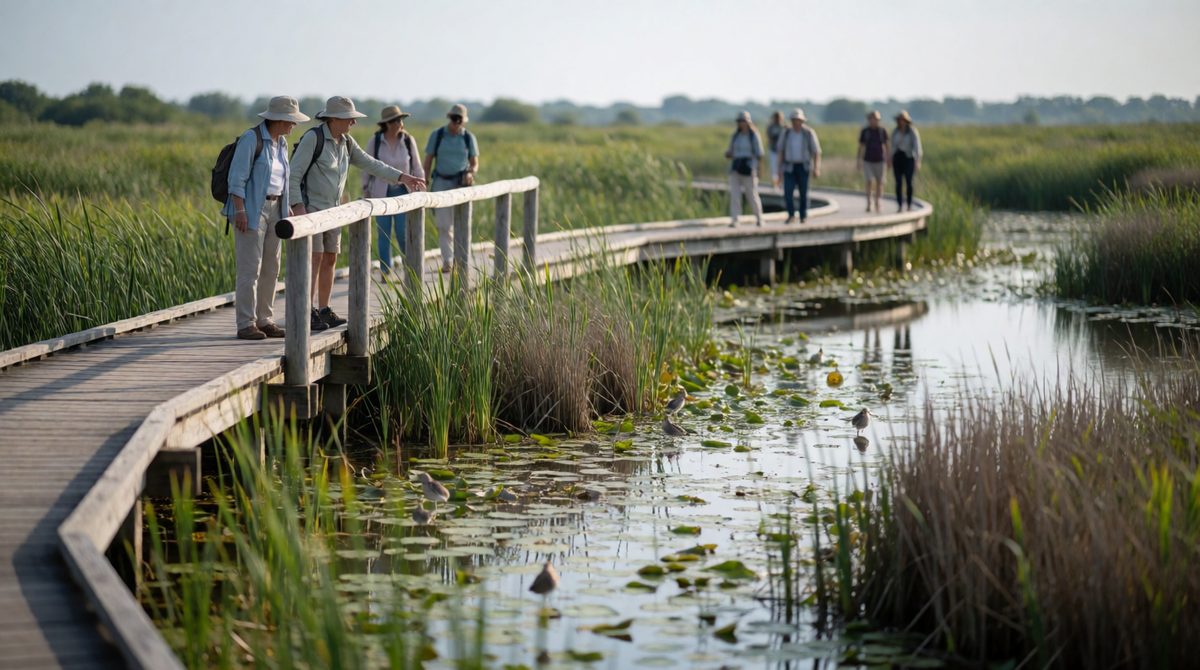
Tourism can threaten biodiversity
Before we look at solutions, it's important to understand exactly how tourism puts pressure on natural environments. These threats are real and happening right now in destinations all over the world.
🚨 The Main Threats
🏠 Physical Development
Building hotels, airports, roads and tourist facilities destroys natural habitats. Coastal areas are especially at risk mangrove forests and sand dunes are often cleared to build beach resorts, removing vital habitats for birds, fish and other wildlife.
🚢 Overcrowding
Too many visitors in one place causes soil erosion on footpaths, disturbs nesting birds, stresses animals and damages fragile plants. Popular hiking trails like those in the Lake District or Snowdonia suffer serious erosion from millions of boots every year.
💩 Pollution
Litter, sewage, sunscreen chemicals, boat fuel and noise all damage ecosystems. Sunscreen chemicals like oxybenzone are known to bleach and kill coral reefs. Noise pollution from tourist boats disturbs whale and dolphin communication and behaviour.
📸 Did You Know? The Great Barrier Reef Crisis
Australia's Great Barrier Reef is the world's largest coral reef system, stretching over 2,300 km. It attracts around 2 million tourists per year and generates over AUD $6.4 billion for the Australian economy. However, it faces serious threats from climate change, water pollution and tourism pressure. Coral bleaching events where stressed coral turns white and dies have affected over 50% of the reef. The Australian government has invested over AUD $3 billion in reef protection, including restricting certain tourist activities and banning harmful sunscreens in reef zones.
🌿 Strategies for Protecting Biodiversity
The good news is that there are many effective strategies for protecting biodiversity while still allowing tourism to take place. These range from government laws and protected areas to simple rules about how tourists should behave.
🌎 Protected Areas and National Parks
One of the most powerful tools for protecting biodiversity is creating protected areas zones where human activity is strictly controlled. These include national parks, nature reserves, marine protected areas (MPAs) and UNESCO World Heritage Sites.
- National Parks: Large areas of land protected by law. Tourism is allowed but strictly managed. Examples include the Serengeti (Tanzania), Yellowstone (USA) and the Peak District (UK).
- Marine Protected Areas (MPAs): Sections of ocean where fishing, anchoring and certain tourist activities are banned to protect marine life.
- UNESCO Biosphere Reserves: Areas recognised internationally for their biodiversity value, with zones for conservation, research and limited sustainable tourism.
🌎 Case Study: The Galápagos Islands, Ecuador
The Galápagos Islands are famous for their unique wildlife including giant tortoises, marine iguanas and blue-footed boobies which inspired Charles Darwin's theory of evolution. The islands were declared a UNESCO World Heritage Site in 1978. To protect biodiversity, Ecuador has introduced strict management strategies:
- Visitor numbers are strictly limited tourists must be accompanied by licensed naturalist guides at all times.
- Only designated paths and visitor sites are open to tourists over 97% of the islands are protected national park land.
- Tourists must not feed, touch, or disturb wildlife.
- Invasive species are actively removed to protect native animals and plants.
- Entry fees fund conservation programmes directly.
The result? Wildlife on the Galápagos is remarkably unafraid of humans and biodiversity remains exceptionally high a direct result of careful management.
🌿 Zoning Systems
Many protected areas use a zoning system to separate areas of high conservation value from areas where tourism is allowed. This means the most sensitive habitats are kept completely off-limits, while tourists can still enjoy less fragile areas nearby.
🔴 Core Zone
The most protected area. No tourists allowed. Only scientists with special permits can enter. This is where the most sensitive species and habitats are found. The goal is zero human disturbance.
🟢 Buffer Zone
A transition area around the core zone. Limited, carefully managed tourism is allowed here. Activities like guided nature walks, birdwatching and photography are permitted. No large-scale development.
📈 Visitor Management Techniques
Even within areas open to tourists, smart management techniques help protect biodiversity. These are practical tools used by destination managers every day.
- Carrying capacity limits: Setting a maximum number of daily visitors to prevent overcrowding. For example, Machu Picchu in Peru limits visitors to 5,940 per day.
- Timed entry tickets: Spreading visitors throughout the day to reduce pressure at peak times.
- Boardwalks and designated paths: Keeping tourists on set routes to prevent trampling of vegetation and soil erosion.
- Interpretation centres: Educating visitors about local biodiversity so they understand why rules exist and are more likely to follow them.
- Ranger patrols: Staff who monitor wildlife, enforce rules and assist tourists.
🌿 Case Study: Costa Rica Ecotourism Done Right
Costa Rica is often held up as the gold standard for sustainable tourism and biodiversity protection. Despite being a small country, it contains around 5% of the world's total biodiversity. Here's how they manage it:
- Over 25% of the country's land is protected as national parks or reserves.
- The government actively promotes ecotourism low-impact nature tourism that funds conservation.
- A Certification for Sustainable Tourism (CST) scheme rates hotels and tour operators on their environmental practices.
- Deforestation has been reversed forest cover has increased from 21% in 1987 to over 52% today, partly thanks to tourism revenue funding reforestation.
- Local communities benefit directly from tourism, giving them an economic reason to protect wildlife rather than exploit it.
Costa Rica proves that protecting biodiversity and growing tourism can go hand in hand when managed carefully.
🏛 Protecting the Built Environment
Biodiversity isn't just about wildlife it also includes protecting historic built environments that form part of a destination's cultural heritage. Ancient buildings, archaeological sites and historic town centres can all be damaged by too many visitors.
🏛 Managing Heritage Sites
UNESCO World Heritage Sites include both natural and cultural locations. Managing them sustainably means protecting their unique character while allowing tourism to continue. Strategies include:
🚫 Restricting Access
Some areas are closed to tourists entirely or only accessible with a guide. The Lascaux cave paintings in France are so fragile that the original cave is closed visitors see a perfect replica instead, protecting the 17,000-year-old art from breath and body heat.
💰 Entry Fees for Conservation
Charging tourists to enter heritage sites raises money for maintenance and restoration. Angkor Wat in Cambodia charges $37 per day, with funds going towards conservation of the ancient temple complex visited by over 2 million tourists annually.
🎓 Tourist Education
Teaching visitors about the significance of what they're seeing encourages respectful behaviour. Signs, guided tours and visitor centres all help. When tourists understand why a site matters, they're far less likely to damage it.
🌟 The Role of Ecotourism in Biodiversity Protection
Ecotourism is a form of responsible travel to natural areas that conserves the environment and improves the wellbeing of local people. It's one of the most important tools we have for protecting biodiversity, because it gives wild places an economic value meaning governments and communities have a financial reason to protect them.
- ✓ Generates income that funds conservation directly
- ✓ Creates jobs for local communities as guides, rangers and lodge staff
- ✓ Raises awareness of biodiversity among visitors
- ✓ Encourages governments to protect natural areas rather than develop them
- ✓ Can fund anti-poaching patrols and habitat restoration
🐸 Case Study: Mountain Gorilla Tourism, Uganda & Rwanda
Mountain gorillas are critically endangered there are only around 1,000 left in the wild, living in the forests of Uganda, Rwanda and the Democratic Republic of Congo. Gorilla trekking tourism has been a remarkable conservation success story:
- Permits to see gorillas cost $700 in Uganda and $1,500 in Rwanda per person per visit.
- Only 8 tourists per gorilla group per day are allowed, limiting disturbance.
- Revenue funds ranger salaries, anti-poaching patrols and community development projects.
- Local communities receive a share of tourism income, giving them a direct reason to protect gorillas rather than poach them.
- The gorilla population has actually increased since tourism began proof that well-managed ecotourism can directly benefit biodiversity.
📋 Summary: Key Principles for Protecting Biodiversity
Managing destinations sustainably to protect biodiversity comes down to a few core principles that you should remember for your exam:
- 🌿 Limit visitor numbers to stay within carrying capacity
- 🌎 Create protected areas with strict rules about what tourists can do
- 📈 Use zoning systems to separate sensitive habitats from tourist zones
- 💰 Charge entry fees and use the money for conservation
- 🎓 Educate tourists so they understand and respect the environment
- 👥 Involve local communities so they benefit from and support conservation
- 🌿 Promote ecotourism as an alternative to mass tourism in sensitive areas
- 🚫 Enforce rules through ranger patrols and legal penalties