🏗 What Is Infrastructure Development?
When tourists visit a place, they need roads to travel on, airports to land in, clean water to drink and electricity to power their hotels. All of this is infrastructure the basic physical systems and structures that keep a place running. Tourism creates huge demand for these things, which pushes governments and private companies to invest and build.
This is one of the most powerful positive economic impacts of tourism, because the benefits don't just go to tourists they go to everyone who lives there.
Key Definitions:
- Infrastructure: The basic physical systems a country or region needs to function roads, airports, water supply, electricity, sewage, telecommunications and public services.
- Infrastructure Development: The process of building, improving, or expanding infrastructure, often funded by government or private investment.
- Tourism-Specific Infrastructure: Infrastructure built primarily for tourists, such as airports, resorts and tourist roads.
- Shared Infrastructure: Infrastructure that benefits both tourists and local residents, such as hospitals, roads and water systems.
- Capital Investment: Money spent on building or improving long-lasting assets like buildings, roads and equipment.
✈ Transport Infrastructure
Airports, roads, railways, ports and bridges are often built or upgraded because of tourism demand. A new international airport doesn't just bring tourists it connects local businesses to global markets and makes it easier for residents to travel too.
💡 Utilities & Services
Tourism destinations need reliable electricity, clean water, internet and waste management. Governments invest in these systems to attract tourists, but local communities benefit from the same upgrades getting access to clean water or reliable power for the first time.
🚀 Types of Infrastructure Tourism Drives
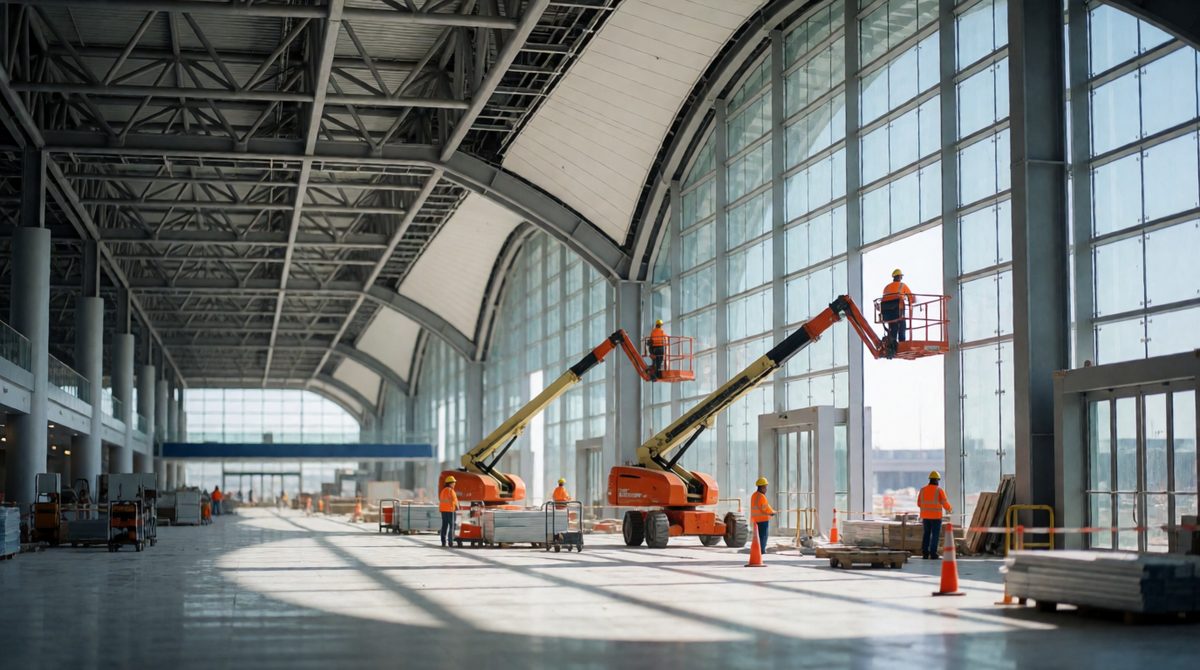
Tourism drives new infrastructure
Tourism doesn't just build one type of infrastructure it pushes investment across many different sectors. Let's break these down clearly.
✈ Transport Infrastructure
Transport is the backbone of tourism. Without ways to get there, tourists simply won't come. This creates strong economic pressure to invest in transport systems.
✈ Airports
New or expanded airports bring international visitors directly. They also create thousands of construction and operational jobs and stimulate local economies around them.
🚌 Roads & Motorways
Roads built to connect resorts and attractions also help local farmers get produce to market and residents access jobs, schools and hospitals more easily.
🚛 Railways & Ports
Rail links to tourist areas and cruise ship ports boost connectivity. The cruise industry has driven major port development in the Caribbean and Mediterranean.
💡 Utilities Infrastructure
Hotels, resorts and tourist attractions need reliable utilities. This demand encourages governments and investors to upgrade systems that the whole population benefits from.
- Electricity: Power grids are extended and upgraded to supply resorts local villages along the route often get connected too.
- Clean Water: Water treatment plants and piped water systems built for tourism improve public health for residents.
- Sewage & Waste: Proper waste management systems protect the environment and improve living conditions.
- Telecommunications: High-speed internet and mobile networks installed for tourists benefit local businesses and residents.
🏥 Public Services & Facilities
Tourism also drives investment in public services. A destination that attracts large numbers of visitors needs hospitals, police, fire services and public spaces all of which serve local people too.
- Healthcare: Hospitals and clinics upgraded to treat tourists also serve local communities, raising health standards.
- Public Spaces: Parks, promenades and cultural centres built to attract tourists become community assets.
- Education & Training Centres: Hospitality colleges and training facilities built to supply the tourism workforce raise local skill levels.
🇬🇧 Case Study: Dubai, UAE Building a City for Tourism
Dubai is one of the world's most dramatic examples of tourism-led infrastructure development. In the 1970s, it was a small trading port. Today it is a global tourism hub and infrastructure investment is the reason why.
- Dubai International Airport is one of the world's busiest, handling over 86 million passengers per year. It was massively expanded specifically to grow tourism.
- The Dubai Metro a fully automated rail network was built partly to move tourists around the city efficiently, but now serves millions of residents and workers daily.
- The Palm Jumeirah artificial island required enormous infrastructure investment: new roads, water pipes, electricity cables and sewage systems all of which extended to nearby areas.
- World-class hospitals and healthcare facilities were developed to attract medical tourists and serve the growing population.
- Tourism revenue helped fund the Sheikh Zayed Road motorway network, connecting the entire emirate.
The result: Tourism contributed around 11.5% of Dubai's GDP in 2023 and the infrastructure built for tourism has transformed the city for everyone who lives and works there.
🌎 How Infrastructure Development Creates Economic Value
Infrastructure isn't just useful it's an economic asset. When tourism drives infrastructure investment, it creates long-term economic value in several ways.
📈 Attracting Further Investment
Good infrastructure makes a destination more attractive to other industries too. A new airport doesn't just bring tourists it brings foreign businesses, investors and trade. Infrastructure is the foundation on which wider economic development is built.
💵 Raising Property Values
Infrastructure improvements better roads, water supply, internet raise property values in surrounding areas. This increases the wealth of local landowners and generates more tax revenue for governments to spend on public services.
🛠 Construction Jobs and the Supply Chain
Building infrastructure creates a massive wave of employment. Construction workers, engineers, architects, planners and suppliers all benefit. Materials need to be sourced, equipment hired and workers fed and housed creating ripple effects through the local economy. This is the multiplier effect working through infrastructure investment.
Once built, infrastructure also creates permanent operational jobs airport staff, road maintenance crews, water treatment plant operators and many more.
🇮🇩 Case Study: Indonesia Tourism Infrastructure in Bali
Bali is Indonesia's most famous tourist destination, receiving over 6 million international visitors per year before the COVID-19 pandemic. Tourism demand has driven significant infrastructure development across the island.
- Ngurah Rai International Airport was expanded with a new international terminal opened in 2013, funded partly by tourism revenue projections. Capacity increased from 9 million to 25 million passengers per year.
- A new toll road connecting the airport to the resort area of Nusa Dua was built to ease congestion it also benefits local commuters and businesses.
- Water supply and sewage systems were upgraded across tourist areas, improving sanitation for local villages too.
- The Indonesian government invested in 10 new priority tourism destinations ("10 New Balis") with infrastructure packages including roads, airports and utilities.
- Telecommunications infrastructure including high-speed internet was rolled out to tourist areas, benefiting local businesses and residents.
Key point: Indonesia's government explicitly uses tourism as a driver of regional development, using tourist demand to justify infrastructure spending that benefits the whole population.
🇦🇫 Infrastructure Development in Developing Countries
Infrastructure development through tourism is especially significant in developing countries, where governments often lack the funds to build infrastructure without external investment. Tourism provides both the revenue and the justification for major infrastructure projects.
🇨🇳 Case Study: Kenya Tourism Funding Infrastructure
Kenya's tourism industry centred on wildlife safaris and coastal resorts has driven significant infrastructure investment, particularly in areas that would otherwise have been overlooked.
- Jomo Kenyatta International Airport in Nairobi has been repeatedly expanded using tourism revenue and a new terminal was opened to handle growing visitor numbers.
- Roads connecting Nairobi to the Masai Mara and other national parks have been improved these same roads allow farmers and traders to access markets.
- The Standard Gauge Railway (Nairobi to Mombasa) was partly justified by its ability to move tourists to the coast, but it also carries freight and local passengers.
- Coastal tourist areas like Mombasa and Malindi have received upgraded water and electricity infrastructure, benefiting local residents.
- Healthcare facilities in tourist areas have been upgraded to international standards, improving services for local communities.
Tourism's share of Kenya's GDP: approximately 8.8% (pre-pandemic), making it one of the country's most important economic sectors and a key driver of infrastructure spending.
💡 Why This Matters for Developing Countries
In many developing countries, the government simply doesn't have enough money to build roads, airports and water systems from tax revenue alone. Tourism creates a business case for foreign direct investment (FDI) where international companies and governments invest in infrastructure because they know tourists will use it. This brings in money that would otherwise never arrive.
⚠️ A Balanced View Is Tourism Infrastructure Always Good?
It's important to think critically. Infrastructure development through tourism is mostly positive, but there are some things to consider.
👍 Benefits
- Local communities get access to roads, water, electricity and healthcare they might not otherwise have
- Infrastructure attracts other industries and investment beyond tourism
- Construction creates jobs during the building phase
- Long-term operational jobs are created to run and maintain infrastructure
- Improved connectivity raises living standards and economic opportunity
- Governments can justify spending on infrastructure using tourism revenue
👎 Limitations to Consider
- Infrastructure may be built primarily for tourist areas, leaving other regions behind
- Large infrastructure projects can displace local communities
- Environmental damage can occur during construction (e.g. coastal roads, deforestation)
- If tourism declines, infrastructure may become underused or too expensive to maintain
- Benefits may not be evenly shared wealthier areas often get better infrastructure
📋 Summary Infrastructure Development as a Positive Economic Impact
Tourism is a powerful driver of infrastructure development. By creating demand for transport, utilities and public services, tourism encourages governments and private investors to build the physical foundations that economies need to grow. The key insight for your exam is that this infrastructure doesn't just serve tourists it serves entire communities and economies, making it one of the most far-reaching positive economic impacts of tourism.
✈ Transport
Airports, roads, railways and ports built for tourism connect regions, boost trade and improve mobility for residents.
💡 Utilities
Electricity, clean water, internet and waste systems installed for tourists raise living standards for local communities.
🏥 Public Services
Hospitals, schools and public spaces built or upgraded for tourism benefit the whole population long after tourists leave.
✍️ Exam Tip!
In the exam, when asked about infrastructure development as a positive economic impact, always make the point that the benefits are shared tourists and local communities both gain. Use specific examples (Dubai, Bali, Kenya) and try to include both short-term (construction jobs) and long-term (improved connectivity, higher living standards) benefits. If asked to evaluate, mention the limitations too this shows higher-level thinking and will earn you more marks.
Key terms to use: infrastructure, capital investment, foreign direct investment (FDI), shared infrastructure, long-term economic development, multiplier effect.