Topic 1: Rivers » Lesson 1: The Water Cycle
What you'll learn this session
Study time: 30 minutes
- What the water cycle is
- The 4 main steps that move water around the Earth
- Where water is stored
- How people change the water cycle
The Water Cycle
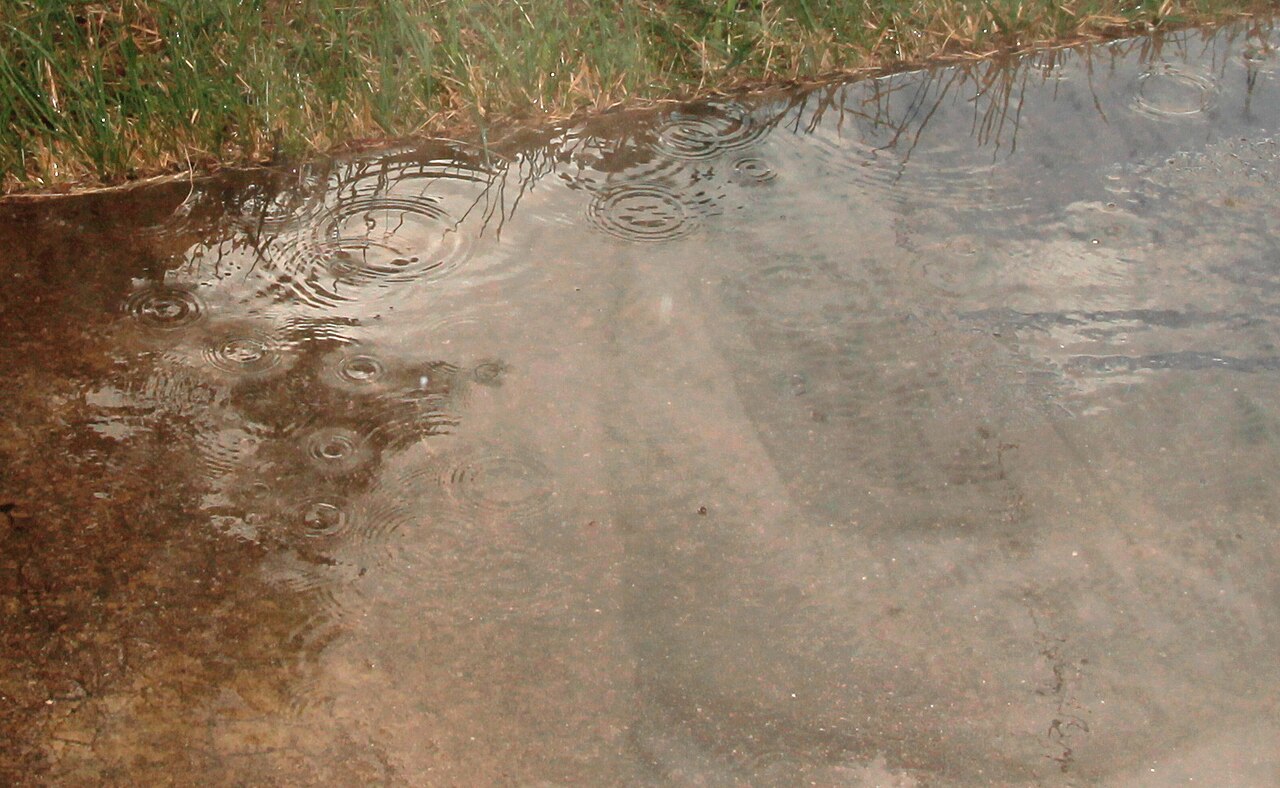
Rain landing in a puddle. This water will soon soak into the ground, flow away or evaporate.
Did you know the water in your glass could once have been drunk by a dinosaur? That's because the Earth doesn't make new water. It uses the same water over and over again.
Water is always on the move. It goes from the sea, up into the sky, down onto the land and back to the sea again. This journey is called the water cycle. Geographers also call it the hydrological cycle.
☀ The sun is the engine
The sun gives the water cycle its energy. It heats up water and makes it move. Without the sun, the water cycle would stop.
The 4 Main Steps
The water cycle: evaporation, condensation, precipitation and collection.
🌊 1. Evaporation
The sun heats water in the sea, lakes and rivers. It turns into an invisible gas called water vapour and rises into the air.
☁ 2. Condensation
High up, the air is cold. The water vapour cools and turns back into tiny drops of water. Millions of drops together make a cloud.
🌧 3. Precipitation
When the drops get too big and heavy, they fall. This is precipitation. It can be rain, snow, sleet or hail.
🏞 4. Collection
The water lands on the ground. It soaks into the soil or flows into rivers, and the rivers carry it back to the sea. Then it all starts again.
Plants help too! Plants suck up water through their roots and let it out through their leaves as water vapour. This is called transpiration. A big oak tree can give off hundreds of litres of water on a hot summer day.
Where Is Water Stored?
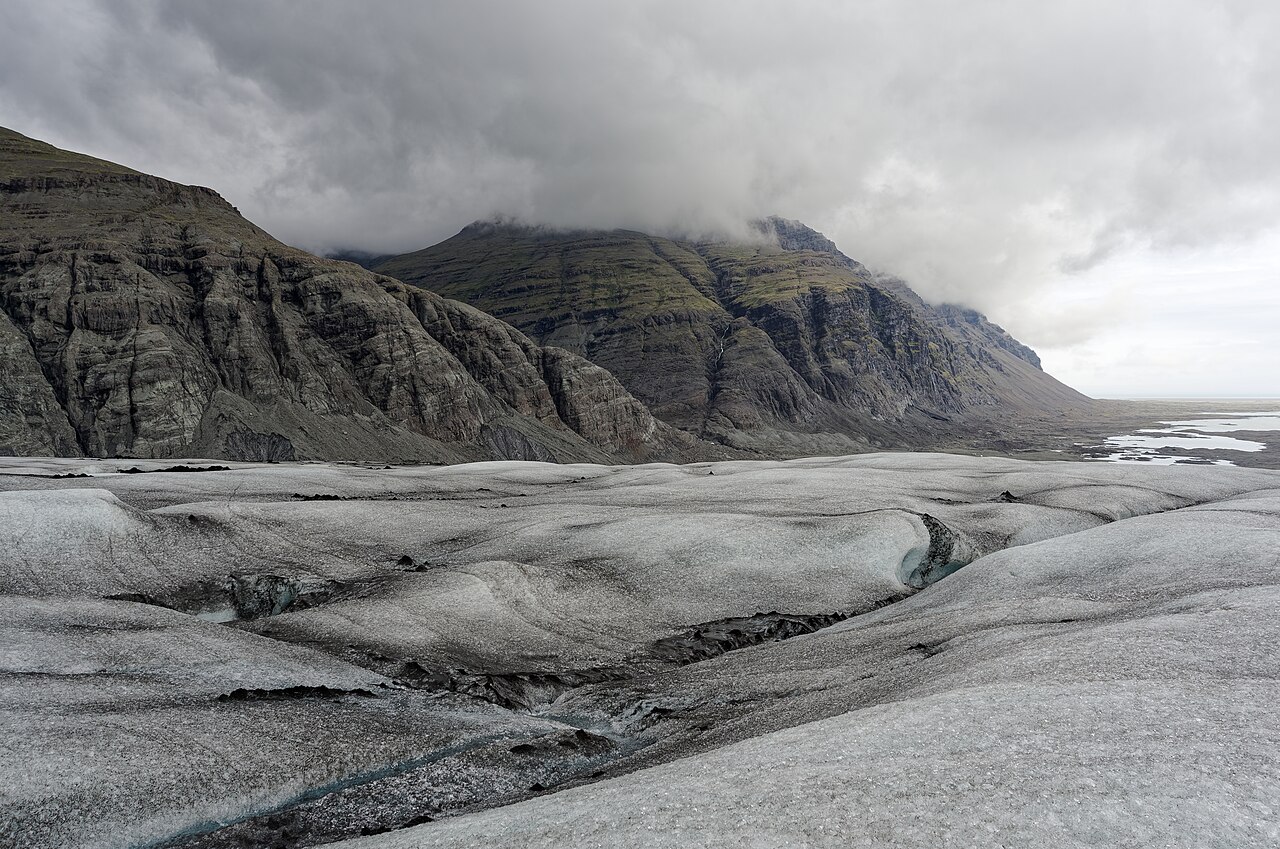
A glacier in Iceland. Ice like this stores about 2% of the Earth's water.
A place where water is kept is called a store. Here are the biggest ones:
- Oceans: almost all of the Earth's water (97%) is salty sea water.
- Ice: about 2% is frozen in glaciers and ice sheets.
- Underground: some water hides in soil and rocks. This is called groundwater.
- Rivers and lakes: only a tiny bit, but it's the water we use most.
Real place: The Amazon Rainforest
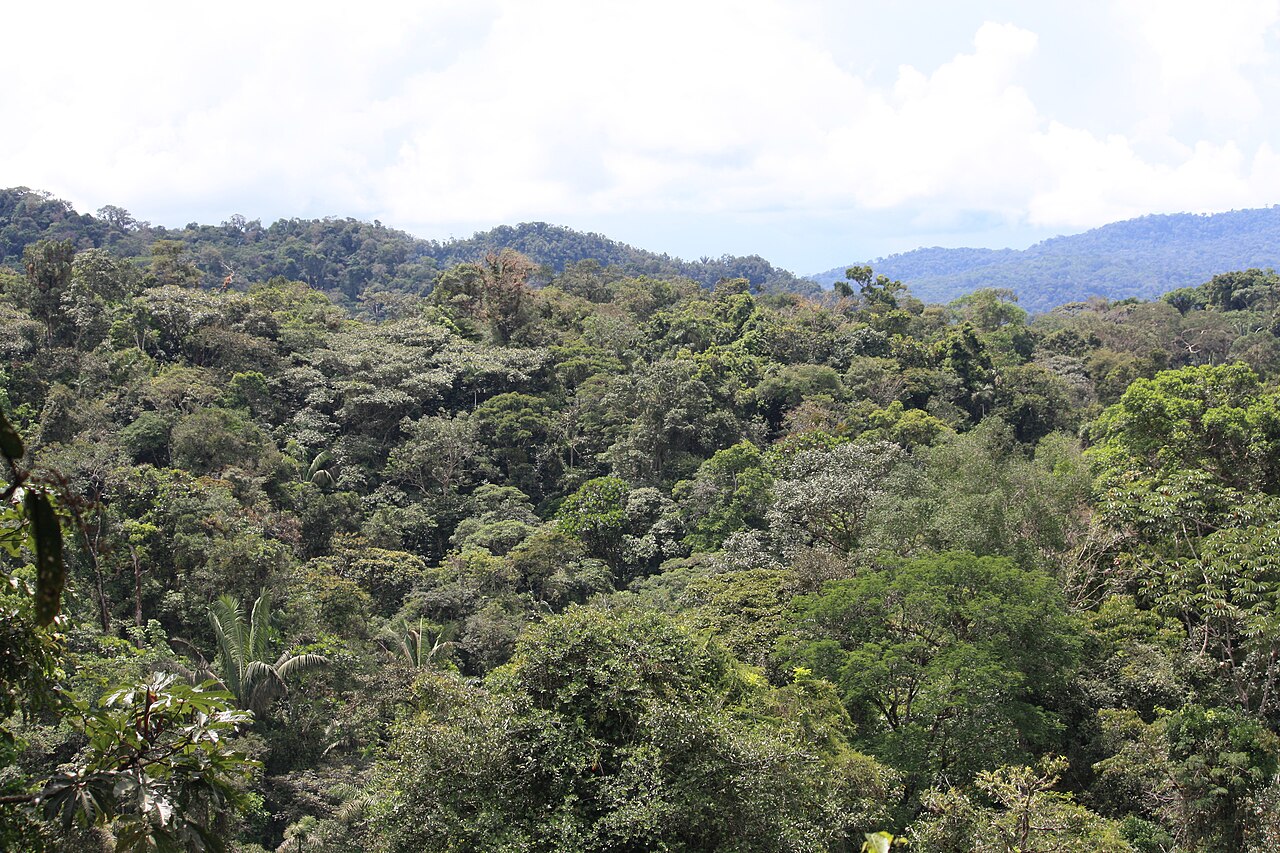
The Amazon rainforest in Ecuador. Its trees give off so much water vapour that they help make their own rain.
The trees in the Amazon rainforest give off so much water vapour that they make their own clouds. About half the rain that falls there came from the forest's own trees!
How People Change the Water Cycle
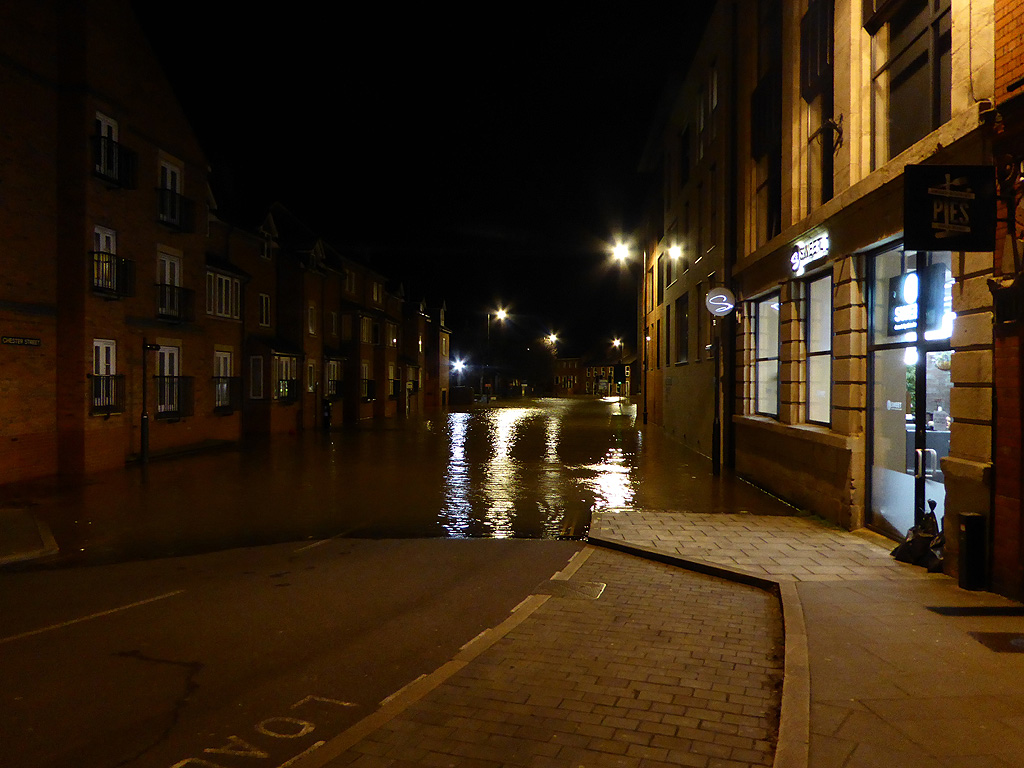
A flooded street in Shrewsbury. Rain can't soak through roads and pavements, so it runs into rivers quickly.
- Building towns: rain can't soak through concrete and tarmac, so it rushes into drains and rivers. This can cause floods.
- Cutting down trees: fewer trees means less transpiration and fewer clouds, so some places get less rain.
- Building dams: dams store water in reservoirs for us to drink, but they change how rivers flow.
✏ Optional Activity: Water cycle in a bag (10 minutes, plus checking later)
You need: a clear sandwich bag that seals, a little water, blue food colouring (if you have it), felt tip pens and sticky tape.
- Draw the sun, a cloud and some waves on the bag with felt tips.
- Pour in about 4 tablespoons of water and add a drop of colouring. Seal the bag tightly.
- Tape the bag to a sunny window.
- Check it after 1 hour and again the next day. Can you see drops near the top (condensation)? Do they run back down (precipitation)?
Can't do it today? Draw your own water cycle poster instead. Label the 4 steps and add arrows.
Quick Summary
Water goes round and round in the water cycle: evaporation, condensation, precipitation and collection. The sun powers it. Most water is stored in the oceans. People change the cycle by building towns, cutting down trees and building dams.