Two sets of causes
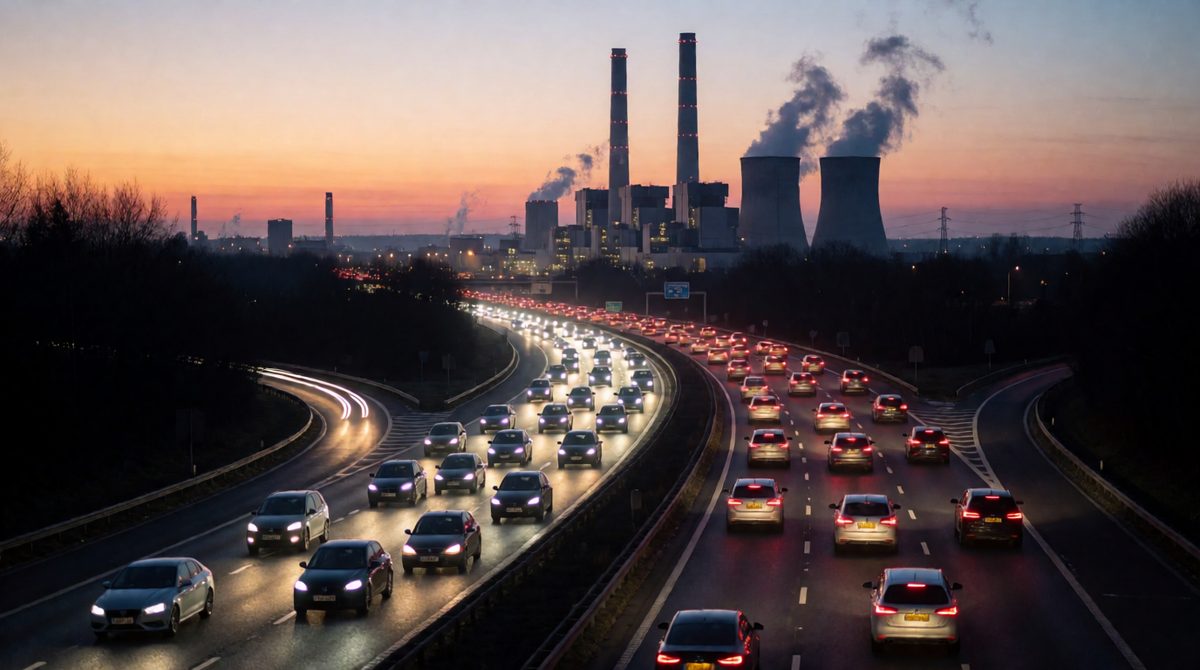
Burning fossil fuels releases carbon dioxide, a human cause of climate change
Earth's climate has always changed. The spec says climate change is the result of natural factors and human factors. Natural factors have driven the swings between cold and warm periods over thousands of years. Human factors matter most for the rapid warming of recent times.
To understand both, we start with the greenhouse effect.
The greenhouse effect
The Sun's energy passes through the atmosphere and warms the Earth's surface. The surface gives off some of this energy as heat. Certain gases in the atmosphere trap some of that heat and send it back down. This keeps the planet warm enough for life. Without it, the average temperature of the Earth would be around -18 degrees C instead of about 15 degrees C.
The gases that trap heat are called greenhouse gases. They include carbon dioxide, methane, nitrous oxide and water vapour.
Key terms:
- Greenhouse effect: the natural trapping of heat in the atmosphere by greenhouse gases, which keeps the Earth warm.
- Greenhouse gas: a gas, such as carbon dioxide or methane, that traps heat in the atmosphere.
- Enhanced greenhouse effect: extra warming caused by human activities adding more greenhouse gases to the atmosphere.
- Fossil fuels: coal, oil and natural gas, formed from the remains of living things over millions of years.
Natural causes of climate change
🌐 Orbital changes
The Earth's path around the Sun and the tilt of its axis change slowly over tens of thousands of years. This changes how much sunlight reaches different parts of the Earth. Over long cycles, it can tip the planet into a glacial period or an interglacial period.
🌋 Volcanic activity
Big eruptions throw huge amounts of ash and gas high into the atmosphere. These particles block some sunlight, so the Earth can cool for a year or two. Volcanoes also release carbon dioxide, but only a small amount compared with human activity.
☀ Solar output
The Sun does not give out exactly the same amount of energy all the time. It goes through cycles. When solar output is higher, more energy reaches the Earth and temperatures can rise. When it is lower, temperatures can fall.
These natural causes work slowly, or in short bursts. Orbital changes take thousands of years. A volcanic cooling effect fades within a few years. Neither can explain the speed of warming seen since the late 1800s. That is why human factors are so important.
Human causes of climate change
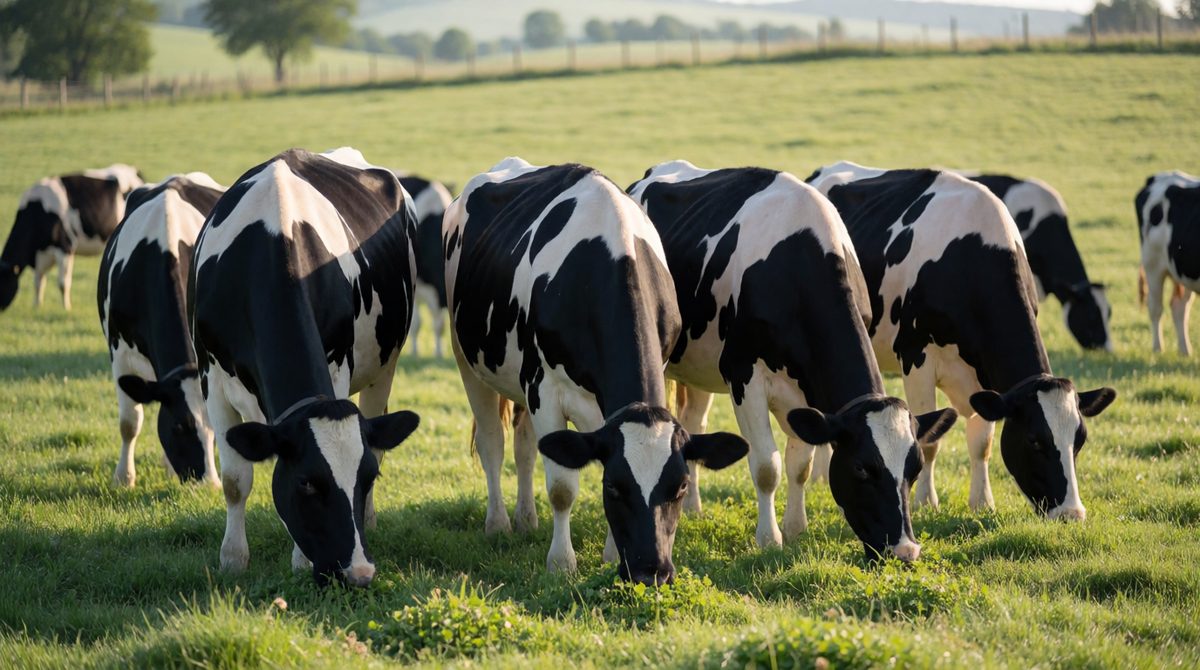
Farming adds greenhouse gases: cows release methane as they digest food
People have added large amounts of greenhouse gases to the atmosphere since the Industrial Revolution. Three main human factors are in the spec.
1. Use of fossil fuels
Fossil fuels are burned to make electricity, to heat buildings, to run factories and to power cars, lorries, ships and planes. Burning them releases carbon dioxide that was locked underground for millions of years. Fossil fuel use is the biggest single human cause of climate change.
2. Agriculture
Farming releases greenhouse gases in several ways:
- Methane comes from cattle and sheep as they digest their food. It also comes from flooded rice paddies.
- Nitrous oxide comes from fertilisers spread on fields.
- Carbon dioxide comes from fuel burned by farm machinery and transport.
As the world population grows, more food is needed, so farming gases grow too.
3. Deforestation
Trees take in carbon dioxide as they grow and store the carbon in their wood. When forests are cut down, two things happen. Fewer trees are left to absorb carbon dioxide. Also, if the trees are burned or left to rot, the stored carbon goes back into the air as carbon dioxide. You will study the causes of deforestation in the Amazon rainforest in a later lesson.
Key idea
Carbon dioxide in the atmosphere has risen from about 280 parts per million before the Industrial Revolution to over 420 parts per million today. The rise is mainly due to burning fossil fuels and cutting down forests.
The enhanced greenhouse effect
The natural greenhouse effect is helpful. The problem is that human activities keep adding extra greenhouse gases. More gas means more heat trapped, so the planet warms further. This is the enhanced greenhouse effect.
- Humans burn fossil fuels, farm livestock and crops, and clear forests.
- This puts more carbon dioxide, methane and nitrous oxide into the atmosphere.
- More heat is trapped near the Earth's surface.
- Global temperatures rise.
Common mistakes
Do not say the greenhouse effect is bad. It is natural and we need it. The problem is the enhanced greenhouse effect. Also, do not say the ozone layer causes climate change. Climate change is about greenhouse gases trapping heat. Finally, a good answer names the gas and says where it comes from, such as methane from cattle.
Exam-style question
(a) Name one natural factor that can cause climate change. [1 mark]
(b) Explain how agriculture contributes to the enhanced greenhouse effect. [3 marks]
Model answer
(a) Any one of: volcanic activity, orbital changes or changes in solar output (1).
(b) Farm animals such as cattle release methane, which is a greenhouse gas (1). Fertilisers used on crops release nitrous oxide (1). These gases trap more heat in the atmosphere, which adds to the enhanced greenhouse effect (1).
Exam tip
In an "explain" question, link each point with a reason. Name a gas, say where it comes from, then say what it does to heat in the atmosphere.