Svalbard: your cold environment case study
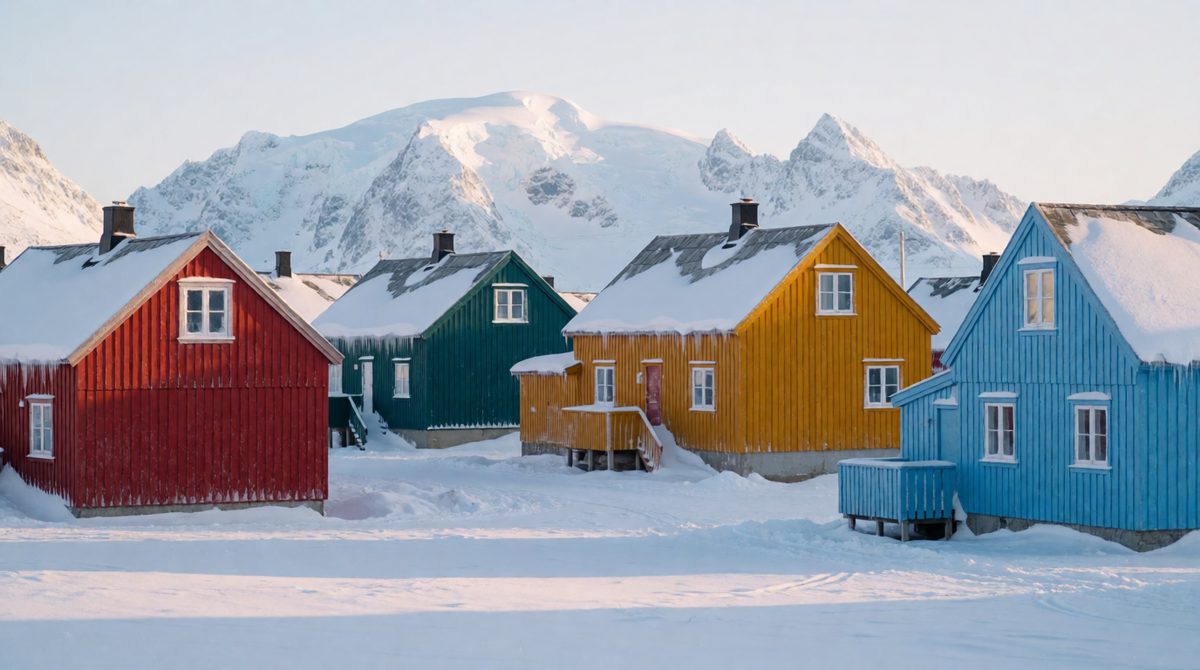
Svalbard has opportunities like tourism, but the extreme cold makes building hard
The spec asks you to study a case study of a cold environment. In this course that case study is Svalbard. You need to know how people have developed it (the opportunities) and what makes that hard (the challenges).
Svalbard is a group of islands that belongs to Norway. It lies in the Arctic Ocean, between mainland Norway and the North Pole, at about 74 to 81 degrees north. The biggest island is Spitsbergen, and the main town is Longyearbyen, home to around 2,500 people. Svalbard has a polar climate, permafrost and tundra, so it matches everything you learned about cold environments earlier in this topic.
Key terms:
- Infrastructure: the basic systems a settlement needs, such as roads, airports, power, water supply and sewage pipes.
- Midnight sun: the time of year when the Sun stays above the horizon for 24 hours a day.
- Polar night: the time of year when the Sun stays below the horizon for 24 hours a day.
Development opportunities
Svalbard is cold, dark for months and a long way from anywhere. Yet people have found four main ways to make a living there.
⛏ Mineral extraction
Svalbard has large coal deposits. Coal mining began in the early 1900s and was the reason Longyearbyen was founded. Norway mined coal here for over a century, and Mine 7, the last Norwegian coal mine near Longyearbyen, closed in 2025. Russia still runs a coal mining settlement at Barentsburg.
⚡ Energy
Svalbard's own coal was burned in the power station to give Longyearbyen heat and electricity, so the islands did not need to bring in fuel for power. The coal power station closed in 2023 and now burns imported diesel, so the town is looking at cleaner sources such as solar power, because the Sun shines almost non-stop in summer.
🎣 Fishing
The cold seas around Svalbard are rich in fish and shellfish. Cod and shrimp are caught there by fishing fleets. Fish are sold for food, which brings money to the fishing industry and to Norway.
🏔 Tourism
Visitors come for glaciers, mountains, the midnight sun, the northern lights and wildlife such as polar bears and reindeer. Tourists go on cruises, dog sledding trips and snowmobile tours. They need guides, hotels, restaurants and transport, so tourism creates jobs for local people.
Why mining is changing
Mining is not a long-term answer. Coal runs out, and burning it adds carbon dioxide to the atmosphere. This is why Svalbard has moved towards tourism, research and education. Remember, this links back to the enhanced greenhouse effect you studied earlier.
Challenges of developing Svalbard
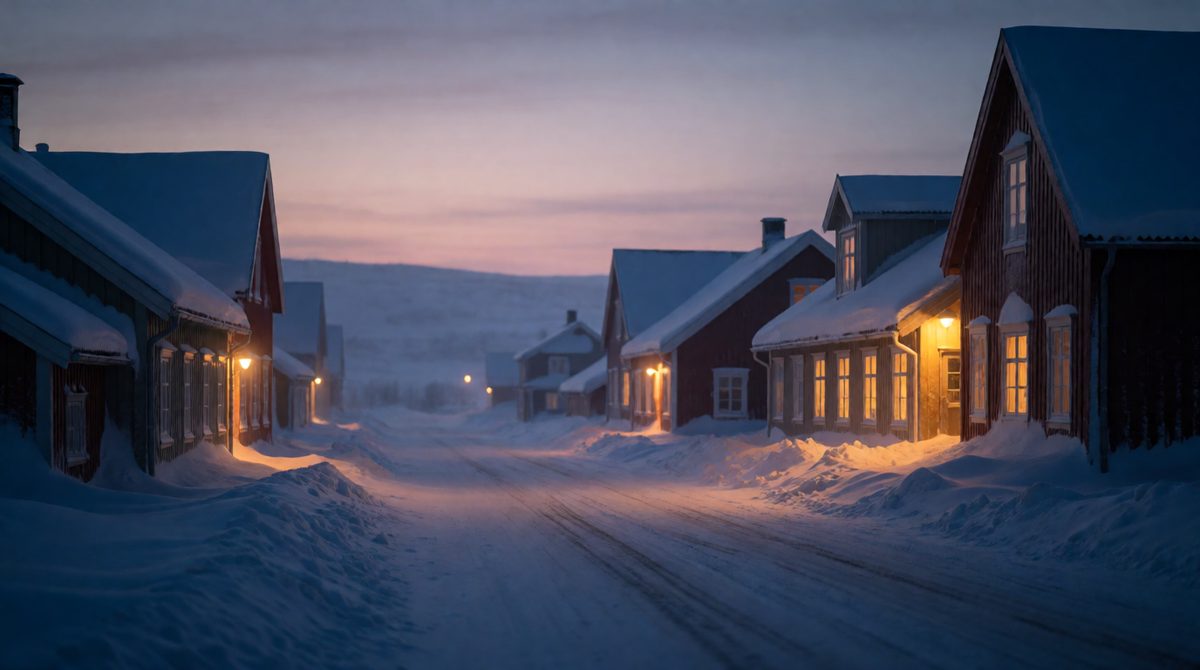
Months of darkness and extreme cold make developing Svalbard hard
Every opportunity comes with a problem. The spec names three challenges, and you need to know all of them.
Extreme temperature
Winters are bitterly cold. Temperatures in Longyearbyen are often well below -10°C in winter and can drop below -40°C. Summers stay cool, with July averaging only about 6°C. The extreme cold causes problems for people and for machines:
- Engines, batteries and equipment can fail or freeze.
- Outdoor work is dangerous because of frostbite and hypothermia.
- Heating buildings costs a lot of energy.
The polar night makes it harder still. From about mid-November to late January the Sun never rises in Longyearbyen, so people work and travel in the dark. In summer the midnight sun runs from about mid-April to late August.
Inaccessibility
Svalbard is remote. Mainland Norway is about 1,000 km away, and the only quick way to arrive is a flight of around two hours from Tromsø. There are almost no roads, and none link the settlements together. People travel by snowmobile, boat or small plane. Sea ice and storms can stop ships.
This causes problems for development. Food, fuel and building materials must be shipped in, which makes everything expensive. Moving coal, fish or equipment out is slow and costly. Emergency help is a long way away if someone is injured on a tour or at a mine.
Provision of buildings and infrastructure
As you know, permafrost makes building very hard in Svalbard.
- Buildings on stilts. Buildings are raised on wooden or metal piles driven deep into the permafrost. The gap lets cold air flow underneath, so heat from the building does not melt the frozen ground and make it sink.
- Pipes above ground. Water and sewage pipes are laid above the ground in insulated boxes. Pipes buried in permafrost would freeze or be broken as the ground moved.
- Hard to build and maintain. The building season is short. Materials are imported, and workers must be brought in. Roads and runways can crack and sink if the permafrost thaws.
Svalbard is warming quickly, so thawing permafrost is a growing risk to buildings, roads and pipes that were built to sit on frozen ground.
Worked example: linking an opportunity to a challenge
Tourism is an opportunity because visitors spend money and create jobs. But inaccessibility is a challenge for it, because tourists need flights or ships to arrive, and hotels and food must be imported. Put the two together in one sentence and you get marks for developed points: "Tourism creates jobs for guides and hotel staff, but because Svalbard is remote, visitors and supplies must be flown or shipped in, which makes it costly to run."
Common mistakes
Writing only general points about the "Arctic" or "cold places" instead of Svalbard. Case study answers need named facts, such as Longyearbyen, Barentsburg, coal, cod, stilts or Tromsø. Another mistake is listing a challenge without saying what the problem is, for example "it is cold" without explaining that machines fail or heating is expensive.
Exam-style question
Using a case study of a cold environment you have studied, explain one opportunity and one challenge of developing the area. [4 marks]
Model answer
Opportunity: Svalbard has a growing tourism industry (1). Tourists come to see glaciers, the northern lights and polar bears, and this creates jobs for guides, hotel and restaurant staff (1). Challenge: Svalbard is very inaccessible (1). It is about 1,000 km from mainland Norway with few roads, so food, fuel and building materials must be shipped or flown in, which makes development expensive (1).
Exam tip
"Explain" means give a point and then add "because" or "so". In this question, name the opportunity or challenge, then say what it leads to. Named facts from Svalbard help you secure the marks.