🌱 Slow recovery
Tracks left by vehicles on tundra can stay visible for many years because plants regrow so slowly.
Sign up to access the complete lesson and track your progress!
Unlock This Course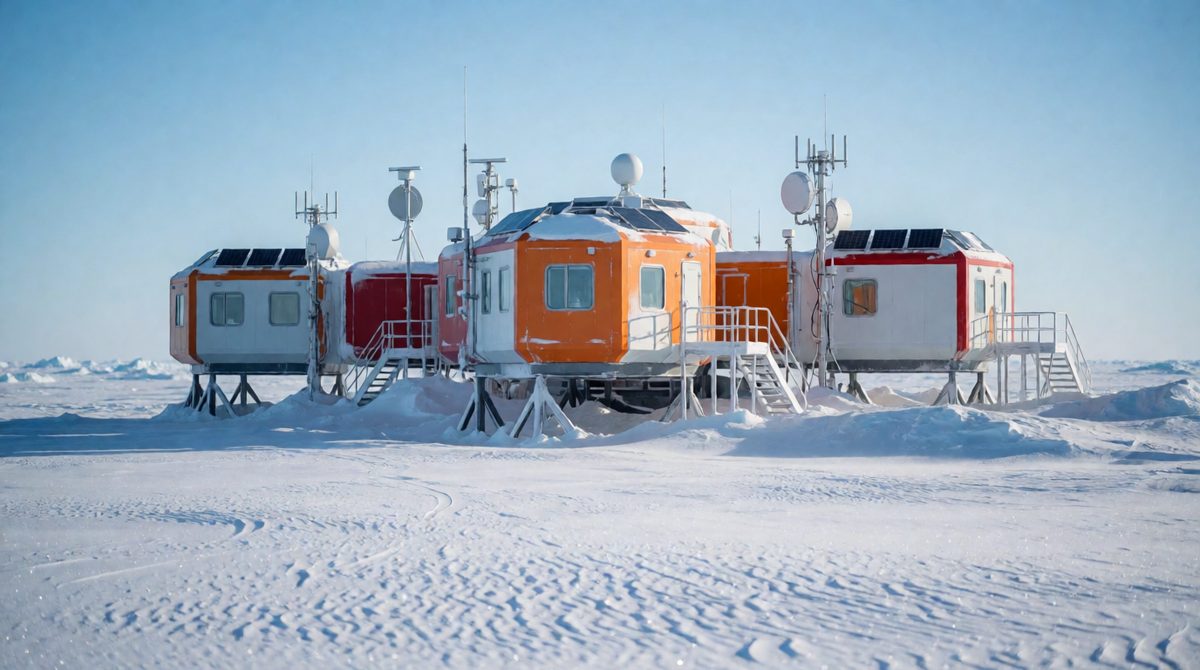
Cold environments are fragile wilderness areas worth protecting
A wilderness is a wild area that has been changed very little by people. Polar and tundra environments are some of the last big wilderness areas left on Earth. Few people live there, and there are very few roads, farms or towns.
These places are valuable for several reasons:
Key terms:
Remember, conservation means looking after the natural environment so it is protected for the future.
Cold environments are fragile because the cold makes everything grow and recover very slowly. If a plant is crushed or a patch of ground is scarred, it can take decades to heal.
Tracks left by vehicles on tundra can stay visible for many years because plants regrow so slowly.
Heat from development can melt permafrost, as in Cold Environment Characteristics. The damage can be permanent.
Food chains are also short, with few species. If one species is lost, others that depend on it can suffer. Pollution is slow to break down in the cold, so spilled oil can stay in the environment for a very long time.
That is why these environments are at risk from economic development such as mining, oil and gas drilling, fishing and tourism. Without protection, the wilderness could be lost.
Many countries want the money and jobs that come from the resources of cold environments. Conservation means protecting the environment. The challenge is to find a balance between the two. There are four main strategies.
New methods can cut the damage that development causes.
Governments make laws and set up protected areas.
Countries agree rules together for places that no single country owns.
Charities campaign, raise money and watch what companies do.
Technology can let people use cold environments with less harm.
Governments protect cold environments with laws and national parks
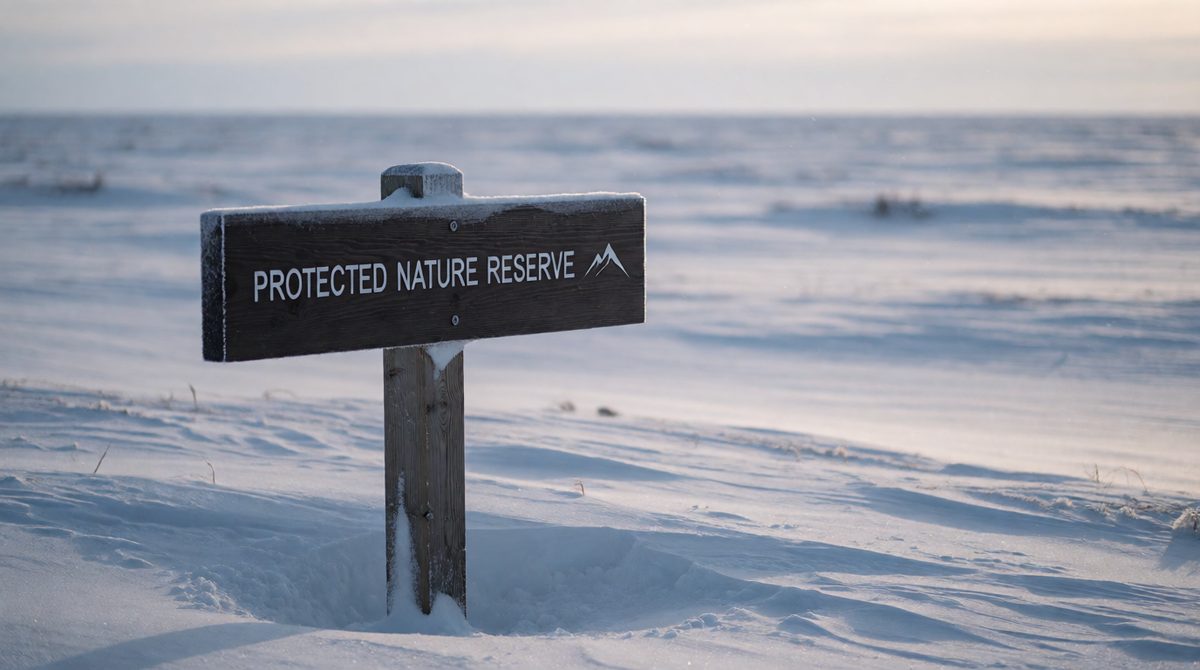
Governments can pass laws that control how land is used. They can set up national parks and wildlife refuges, limit the number of tourists, and demand environmental checks before any mine or oil well is built. For example, in Alaska the US government protects the Arctic National Wildlife Refuge, home to caribou, polar bears and many birds. There is a long-running debate about whether oil drilling should be allowed there, which shows the conflict between development and conservation.
Antarctica does not belong to any one country, so protecting it needs international agreements, as you met in Effects and Management of Climate Change. The most important is the Antarctic Treaty, signed in 1959 and in force from 1961. Its main points are:
A later agreement, the Protocol on Environmental Protection (1991), bans mining in Antarctica and sets rules for waste, wildlife and tourism. Because the countries involved agree to follow these rules together, Antarctica has stayed largely free of mineral extraction.
Conservation groups are organisations, often charities, that work to protect the environment. Examples include Greenpeace and WWF. They:
They do not have the power to make laws, but they can influence the people who do.
Students often say the Antarctic Treaty "bans all tourists". It does not. It sets rules for peaceful use and science, and later rules control tourism. Another mistake is to say conservation means "no development at all". The aim is a balance, so that people can still benefit while the environment is protected.
(a) Give two reasons why cold environments should be protected. [2 marks]
(b) Explain how an international agreement can help to protect a cold environment. [3 marks]
(a) They are fragile, so they take a long time to recover from damage (1). They are wilderness areas with wildlife adapted to live there (1).
(b) An international agreement such as the Antarctic Treaty is made between many countries (1). Countries agree to rules such as banning mining and military use (1). This protects the wilderness because no single country can ignore the rules for its own gain (1).
In part (b), name a real agreement and say what it does. "Explain" questions need a point, then a reason or result.