↔ Constructive
Plates move apart. New crust forms. Gentle shield volcanoes and small earthquakes.
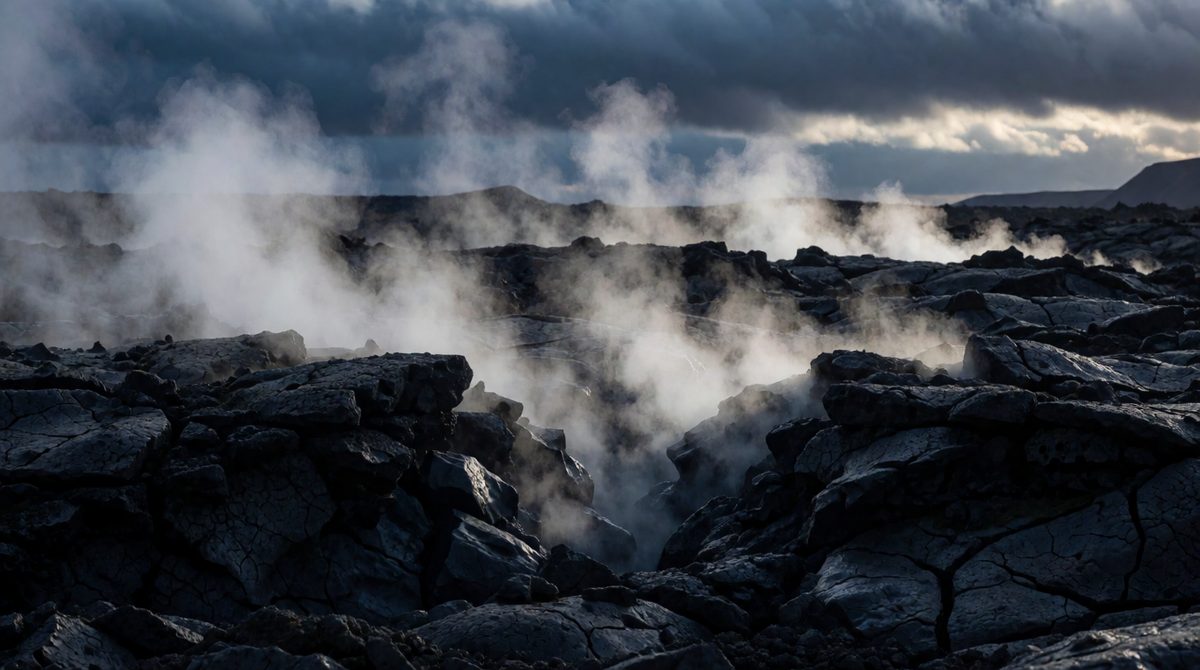
Iceland sits on a constructive margin, where plates move apart and magma rises
Earthquakes and volcanic eruptions are the result of physical processes. The processes depend on how two plates move against each other at a plate margin. There are three types of margin you need to know: constructive, destructive and conservative. Each one makes different hazards. If you can say what the plates are doing, you can work out what hazard to expect.
Key terms:
At a constructive margin, two plates pull away from each other. This is also called a divergent margin. Here is what happens, step by step:
Earthquakes also happen here. As the plates pull apart, the crust cracks and shifts. These earthquakes are usually small, because the plates are not locked together under great pressure.
"Two plates move apart in opposite directions. Magma rises up through the gap between them. It cools to form new crust and a volcano."
At a destructive margin, two plates move towards each other. The best example for you to know is where an oceanic plate meets a continental plate. The Nazca Plate (oceanic) is being pushed beneath the South American Plate (continental) along the west coast of South America.
Remember from Plate Tectonics and Where Hazards Happen that oceanic crust is denser than continental crust. This decides which plate sinks:
Volcanoes at destructive margins tend to be steep-sided cones. The magma is thick and sticky, so it traps gas and erupts violently. The continental plate is also crumpled upwards, which forms fold mountains such as the Andes.
"Two plates move towards each other. The denser oceanic plate sinks beneath the continental plate. It melts and magma rises to the surface to form a volcano. Earthquakes happen as the plate sticks and then jerks free."
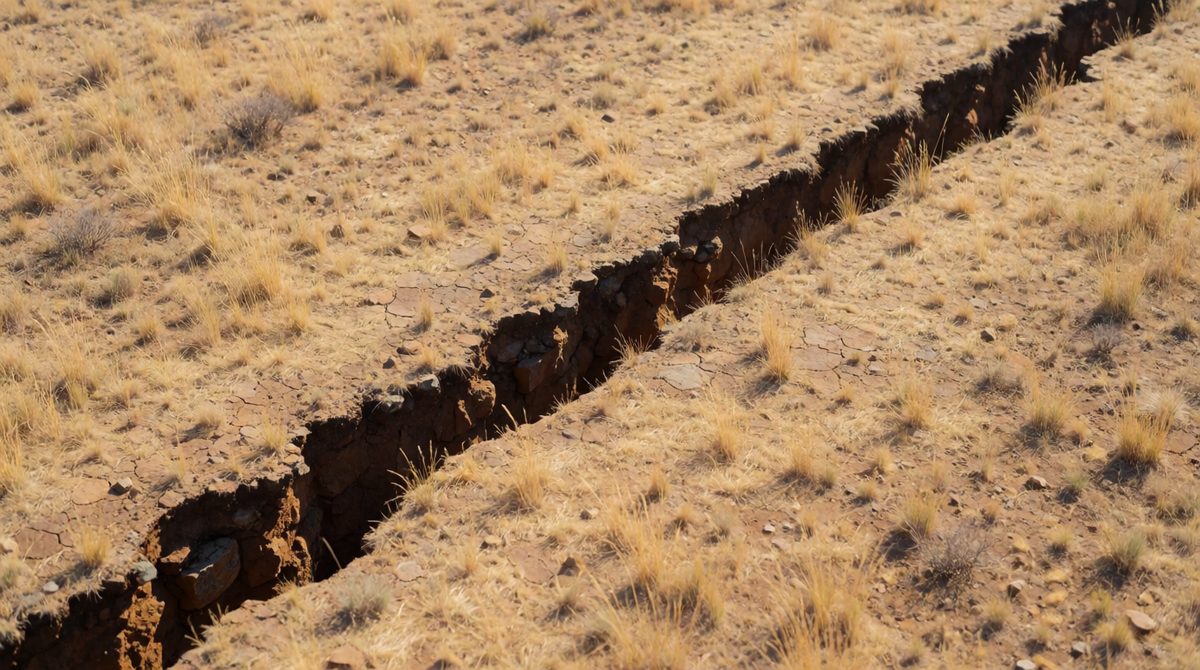
At conservative margins plates slide past each other, causing earthquakes but no volcanoes
At a conservative margin, two plates slide past each other. They may move in the same direction at different speeds, or in different directions. The San Andreas Fault in California is an example. The Pacific Plate and the North American Plate slide past each other here.
Crust is neither made nor destroyed here. There is no magma, so conservative margins do not produce volcanoes. Their only tectonic hazard is earthquakes, but these can be very strong.
"Two plates slide past each other along a fault. They get stuck and pressure builds up. The plates suddenly jerk, causing an earthquake. No volcano forms."
Plates move apart. New crust forms. Gentle shield volcanoes and small earthquakes.
Plates move together. One plate sinks and is destroyed. Violent volcanoes and powerful earthquakes.
Plates slide past. Crust is not made or destroyed. Earthquakes only, no volcanoes.
1. Saying the plates only "collide". At a destructive margin always add that the denser plate is forced beneath the other, so say "subducts" or "sinks". 2. Saying volcanoes form at conservative margins. They do not, because there is no magma. 3. Mixing up constructive and destructive. Think "construct = build new crust" and "destroy = crust is destroyed". 4. Forgetting to say that pressure builds up and is then suddenly released. That is the cause of the earthquake.
(a) Name the type of plate margin where two plates slide past each other. [1 mark]
(b) Explain why earthquakes happen at this type of margin. [3 marks]
(c) Describe what happens at a destructive plate margin to cause a volcano to form. [3 marks]
(a) Conservative margin. (1)
(b) The plates try to slide past each other but get stuck because of friction. (1) Pressure builds up as the plates keep trying to move. (1) The plates suddenly jerk free and the energy is released as shock waves, which is an earthquake. (1)
(c) The denser oceanic plate is forced beneath the continental plate. (1) It melts as it goes deeper and magma forms. (1) The magma is lighter than the rock around it so it rises to the surface and erupts as a volcano. (1)
For "explain" questions with 3 marks, write three linked points in order: sticks, pressure builds, sudden release. Do not just name the margin and stop.
Access the full course and all the resources like custom timetables and progress tracking.
Join Today