Why manage river flooding?
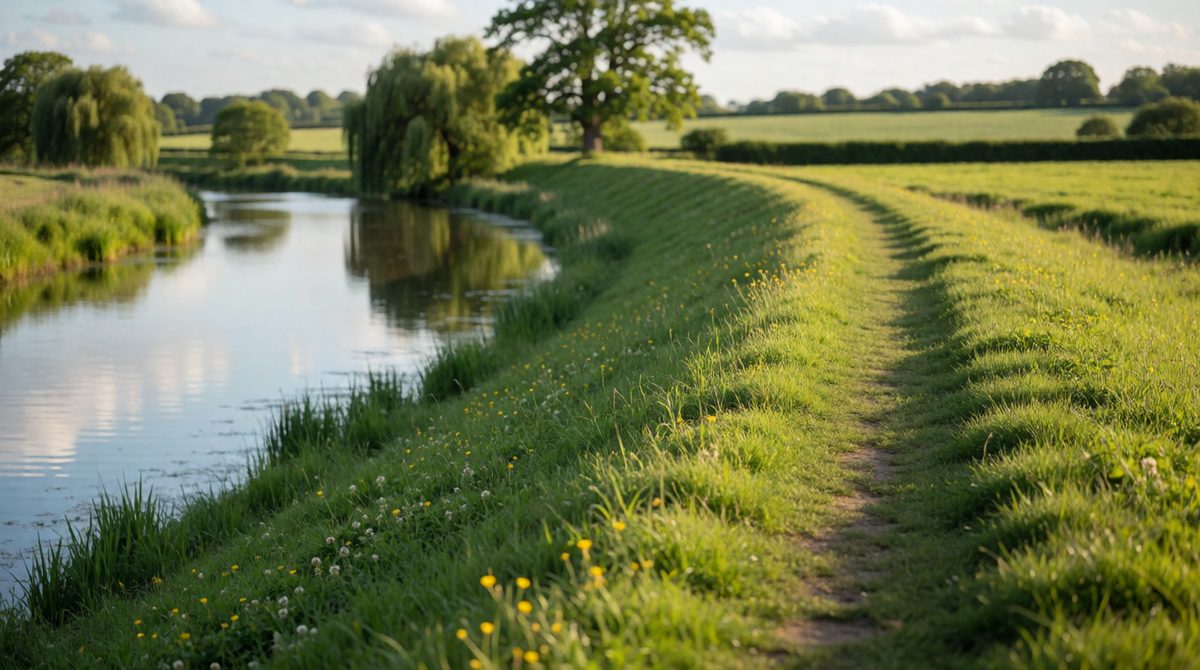
Embankments raise the river bank so floodwater stays in the channel
Rivers flood when they carry more water than the channel can hold. Floods damage homes, shops, roads and farmland, and can put lives at risk. Because of this, people use different management strategies to protect river landscapes and the people who live beside them.
Remember, hard engineering means building structures and soft engineering works with nature. For rivers, the strategies split into these two groups. Every strategy has costs and benefits, and your job in the exam is to weigh them up.
Hard engineering strategies
These are usually expensive and very obvious in the landscape, but they can give strong protection to towns.
🌊 Dams and reservoirs
A dam is a wall built across a river valley. Water builds up behind it to form a reservoir. The water can then be let out slowly, so a flood peak is reduced downstream.
Benefits: controls the flow of water, and the stored water can be used for drinking water and electricity.
Costs: very expensive to build. Land, homes and wildlife habitats behind the dam are flooded. Sediment gets trapped, so land downstream can become less fertile.
➡ Straightening
Bends (meanders) are cut out so the river follows a shorter, straighter channel. Water moves faster, so flood water is carried away from a town more quickly.
Benefits: protects the area where the work is done and can be cheaper than a dam.
Costs: the fast water arrives downstream sooner, so flood risk there goes up. It can also cause more erosion and harm wildlife.
🏗 Embankments
Embankments are raised banks built along the river, using earth, concrete or stone. They make the channel deeper, so it can hold more water before it floods.
Benefits: protect the land and buildings behind them, and allow the river to hold more water.
Costs: expensive, and they can look ugly. If the water goes over the top, flooding can be worse. They can also push the flood problem further downstream.
🔄 Flood relief channels
A flood relief channel is a man-made channel that carries extra water around a town. When the river is high, water flows into the channel and bypasses the built-up area.
Benefits: removes the flood water from the town and works well in big floods.
Costs: very expensive to build and takes up a lot of land. The water rejoins the river further on, which can raise flood risk there.
Soft engineering strategies
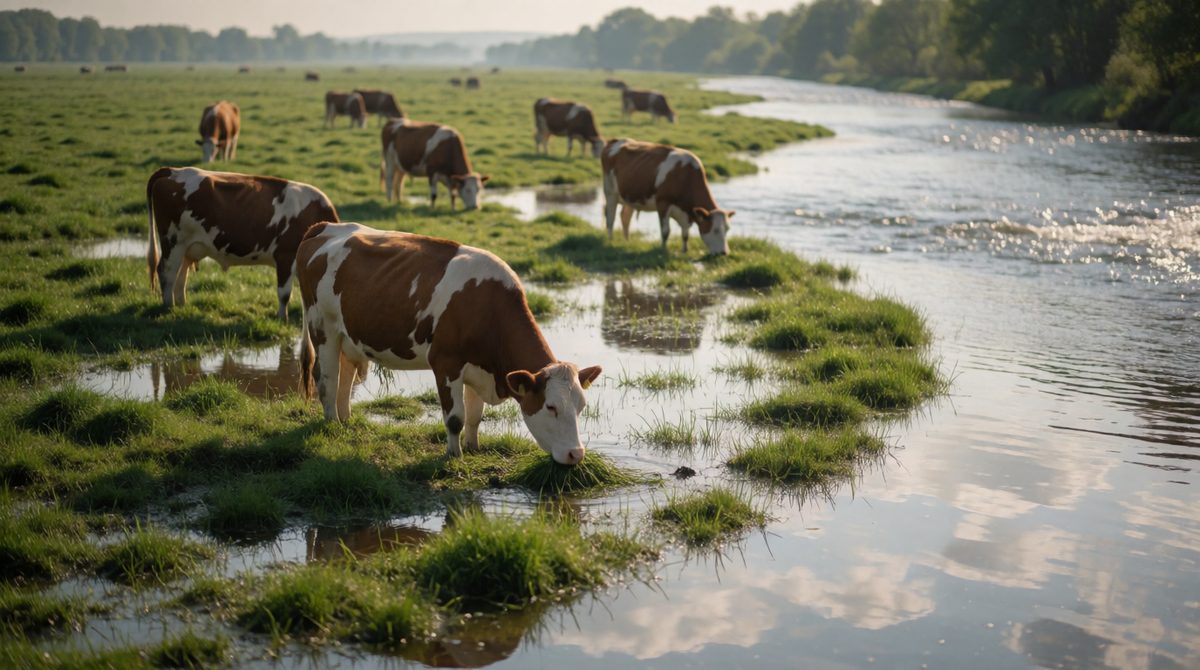
Soft engineering lets some land flood naturally, protecting places downstream
Soft engineering is usually cheaper and better for the environment. It often does not give as much protection in a large flood.
📢 Flood warnings and preparation
Warnings are sent out when a flood is expected, for example by text message, radio and websites. People then have time to move belongings upstairs, put out sandbags or leave their homes.
Benefits: cheap, and can save lives and reduce damage to belongings.
Costs: it does not stop the flood. Warnings can come too late, and some people do not prepare or do not take them seriously.
🗺 Flood plain zoning
Land use planning controls what can be built on the flood plain. Land that floods often is kept for parks, playing fields or farmland. Homes and key buildings go on higher ground.
Benefits: cheap, and it stops the problem getting worse in the future.
Costs: it does not help buildings already there. It also limits where new homes can go, which is hard when people need housing.
🌳 Planting trees
Trees in the area around a river catch rain on their leaves and take up water through their roots. Less water runs quickly into the river, so the flood peak is lower.
Benefits: fairly cheap, and trees also provide homes for wildlife and improve the landscape.
Costs: trees take years to grow. A lot of land is needed, and they cannot stop flooding after very heavy rain.
🌿 River restoration
River restoration returns a river to a more natural state. For example, a straightened river can be allowed to meander again, or embankments can be removed so water can spread over the flood plain.
Benefits: slows the water, helps wildlife and is cheaper than building hard structures.
Costs: farmland and other land may flood more often. It may not give enough protection for a large town.
Hard or soft: how to choose
Hard engineering suits places with a lot to protect, such as a town centre, where the cost is worth it. Soft engineering suits places with fewer people or more space, where cheaper and more natural options are enough. Many areas use both together.
Key terms:
- Dam: a wall built across a river to hold back water.
- Reservoir: an artificial lake that stores water behind a dam.
- Embankment: a raised bank along a river that makes the channel hold more water.
- Flood relief channel: a man-made channel that takes extra water around a town.
- Flood plain zoning: controlling what is built on land that floods.
- River restoration: returning a river to a more natural state.
Common mistakes
Students often say a strategy is "good" or "bad" without saying why. Always give a benefit and a cost, and use the word "because". Another mistake is forgetting that some hard engineering moves the flood problem downstream. Do not mix up straightening (which speeds water up) with river restoration (which slows it down).
Exam-style question
(a) Give one cost of building embankments along a river. [1 mark]
(b) Explain one benefit of planting trees to manage river flooding. [2 marks]
(c) 'Soft engineering is always better than hard engineering for managing river flooding.' Do you agree? Use the costs and benefits of strategies in your answer. [4 marks]
Model answer
(a) They are expensive to build (1). Accept: they can look ugly, or they can make flooding worse downstream.
(b) Trees take up water through their roots and catch rain on their leaves (1), so less water runs quickly into the river and the flood peak is lower (1).
(c) Soft engineering such as flood plain zoning is cheap and works with nature (1). It also helps wildlife and stops the problem getting worse (1). However, it does not give enough protection in a big flood or for buildings already there (1). Hard engineering such as a flood relief channel is expensive but protects a town better, so the best choice depends on what needs protecting and the money available (1).
Exam tip
On "do you agree" questions, give both sides and then finish with a clear decision that mentions what is being protected.