🌊 Repeated floods
Banbury flooded at Easter 1998. The railway station and roads were closed, and about 125 homes and 35 businesses were flooded. The damage cost more than £12.5 million. It flooded again in July 2007.
Sign up to access the complete lesson and track your progress!
Unlock This Course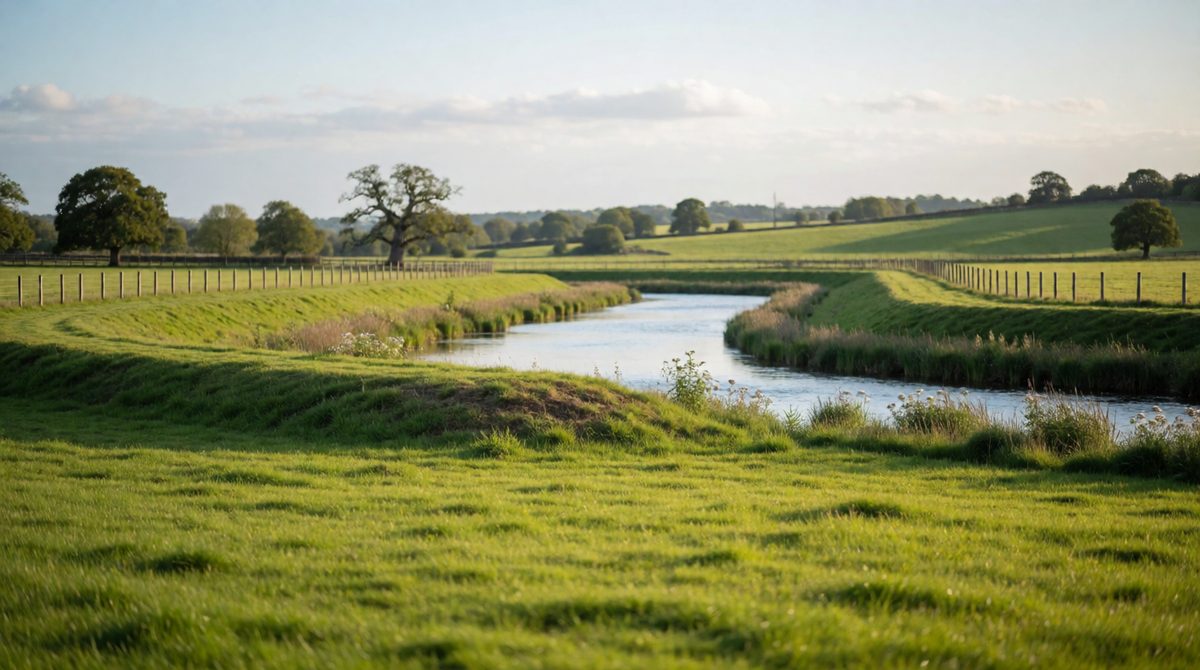
Banbury's scheme holds back floodwater in a storage area upstream of the town
The AQA spec asks you to know one real flood management scheme in the UK. You need to say why it was required, what the management strategy was, and what the social, economic and environmental issues were. Our example is Banbury, a town in Oxfordshire on the River Cherwell.
The Cherwell flows through the middle of Banbury. The town sits on the river's flood plain, so heavy rain upstream has often sent water into streets, homes and businesses.
Key terms:
Banbury flooded at Easter 1998. The railway station and roads were closed, and about 125 homes and 35 businesses were flooded. The damage cost more than £12.5 million. It flooded again in July 2007.
Hundreds of homes and businesses lie close to the river on the flood plain. Each flood meant costly clean-ups, insurance claims and a lot of worry.
The scheme had been planned since 2001, but the 2007 flood showed it could not wait. Building began in 2011 and finished in 2012. The Environment Agency led the project.
Banbury did not use just one defence. It used a mix of hard engineering, all working together. The key parts were:
In heavy rain, extra water from the river flows into the reservoir instead of rushing into the town. The reservoir fills up. Then the water is let back into the Cherwell slowly over the following days, when the river can cope. This lowers the peak of the flood. In hydrograph terms, it gives a more gentle shape.
The scheme protects about 441 homes and 73 commercial properties.
The scheme cost about £18.5 million. The 1998 flood alone caused more than £12.5 million of damage. That is about two thirds of what the scheme cost. The scheme protects 441 + 73 = 514 properties, so the cost works out at roughly £36,000 per property (18,500,000 ÷ 514).
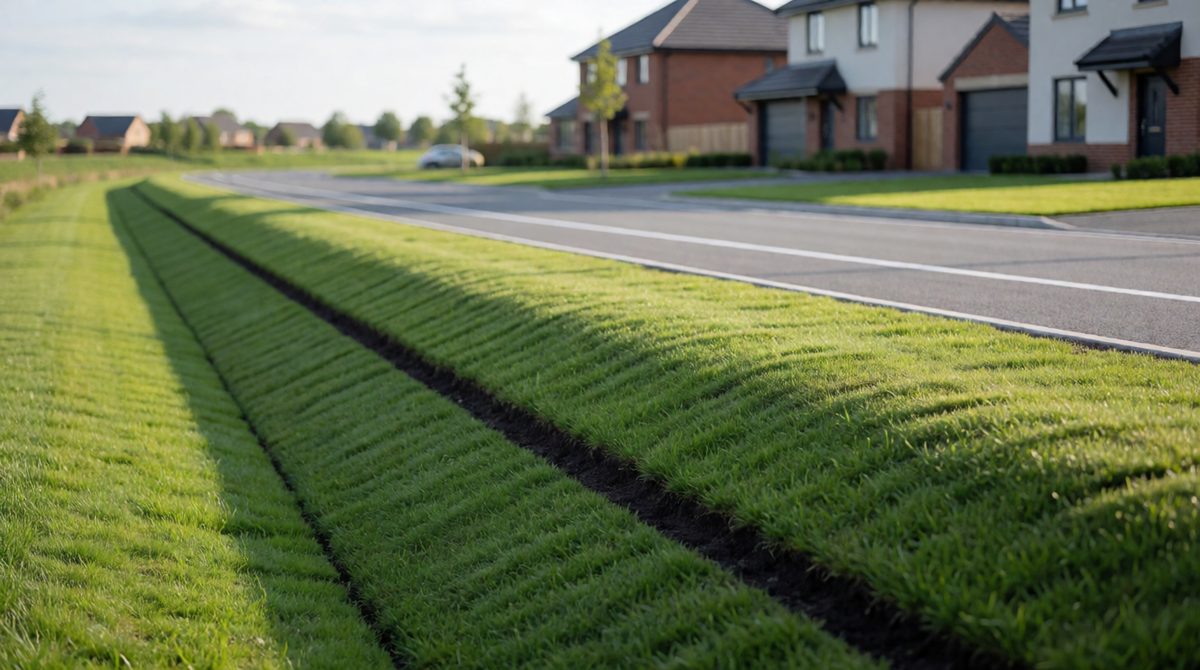
The scheme protects homes and businesses but changed some local land
People worry less about flooding. Roads and the railway are less likely to be cut off. Homes in the town keep their value because the risk of flooding is lower.
The cost of about £18.5 million is high. But the benefits are estimated at over £100 million, from avoided damage. Businesses face less disruption and homes are easier to insure and sell.
Building the embankment used a huge amount of earth and changed the countryside. But new ponds, trees and hedgerows were planted, and the reservoir gives a home to water birds.
Notice that most issues have a good side and a bad side. Good answers show both.
Hard engineering schemes protect people well, but they never remove flood risk completely. An extreme storm could still be bigger than the reservoir can hold. When asked for a judgement, weigh up the people protected and money saved against the cost and the change to the landscape.
Saying the scheme "stops all floods". It reduces the risk, it does not remove it. Another mistake is to write only general points about flood defences. Name Banbury, the River Cherwell, the reservoir and the figures. And do not mix up the types of issue: money is economic, wildlife is environmental, and quality of life is social.
(a) Describe the management strategy used in the Banbury flood scheme. [2 marks]
(b) Explain why the flood scheme was required in Banbury. [3 marks]
(c) Assess the social, economic and environmental issues of the scheme. [4 marks]
(a) A flood storage reservoir was built north of the town, held by a 3 km embankment next to the M40 (1). Floodwater is stored and then released slowly into the River Cherwell (1).
(b) Banbury flooded badly at Easter 1998 (1), causing over £12.5 million of damage and closing the station and roads (1). It flooded again in 2007, which showed that homes and businesses on the flood plain needed protection (1).
(c) Socially, residents worry less about flooding and roads are less likely to close (1). Economically, the scheme cost about £18.5 million but protects 441 homes and 73 businesses from damage (1). Environmentally, building the embankment changed the countryside (1), but new ponds and trees help wildlife (1).
For a 4 mark "assess" question, give one point for each type of issue and use Banbury facts. Show a good and a bad point in at least one of them.