Making a living from glaciated uplands
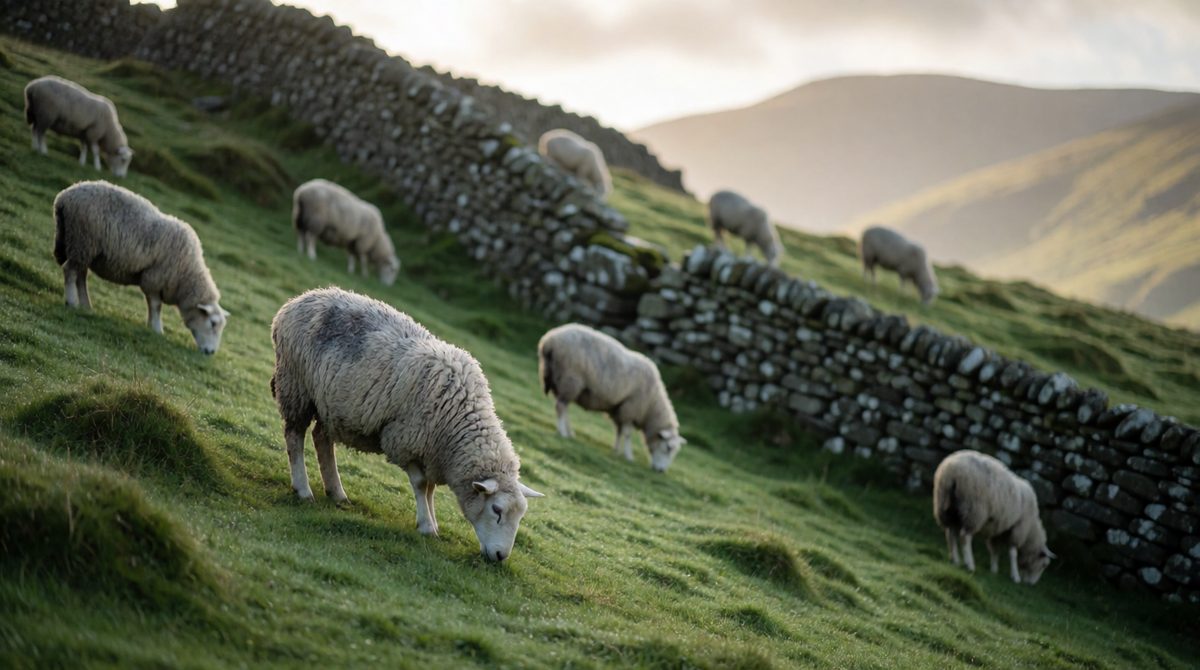
Sheep farming is a key land use in glaciated uplands
Glaciers carved the uplands of the UK into dramatic shapes. Steep mountains, deep valleys and rocky ground are what you see in places like the Lake District, Snowdonia and the Scottish Highlands. These features make the land hard to use in some ways, but they also create opportunities for different economic activities.
Four activities matter most: tourism, farming, forestry and quarrying. Each one uses the same limited space, which is why conflicts happen.
Key terms:
- Economic activity: any activity that makes money or creates jobs.
- Land use: what an area of land is used for, such as farming or tourism.
- Land use conflict: when different groups want to use the same land in ways that do not fit together.
- Conservation: protecting the natural environment and its wildlife so it is not damaged.
The four main economic activities
⛰ Tourism
Glaciated uplands have steep mountains, ribbon lakes, waterfalls and wide views. People visit to walk, climb, sail, cycle and enjoy the scenery. Visitors spend money in hotels, cafes, shops and outdoor activity centres, so tourism creates many jobs.
🌾 Farming
Soils on steep slopes are thin and stony, and the weather is cool, wet and windy. Crops grow badly, so most farming is sheep farming on the hillsides. The flatter valley floors can be used for grass. Farmers often earn little, so many add income with holiday cottages or campsites.
🌲 Forestry
Trees can grow on steep land where crops cannot. Fast-growing conifers are planted in rows and cut for timber. This makes use of land that is poor for farming and provides jobs. Forests can also be used for walking and cycling trails.
⚒ Quarrying
Thin soils and exposed hard rock make it easy to reach stone such as slate. Quarries dig it out for building stone, roads and roofing. Quarrying provides jobs and raw materials for the wider economy.
Why conflicts happen
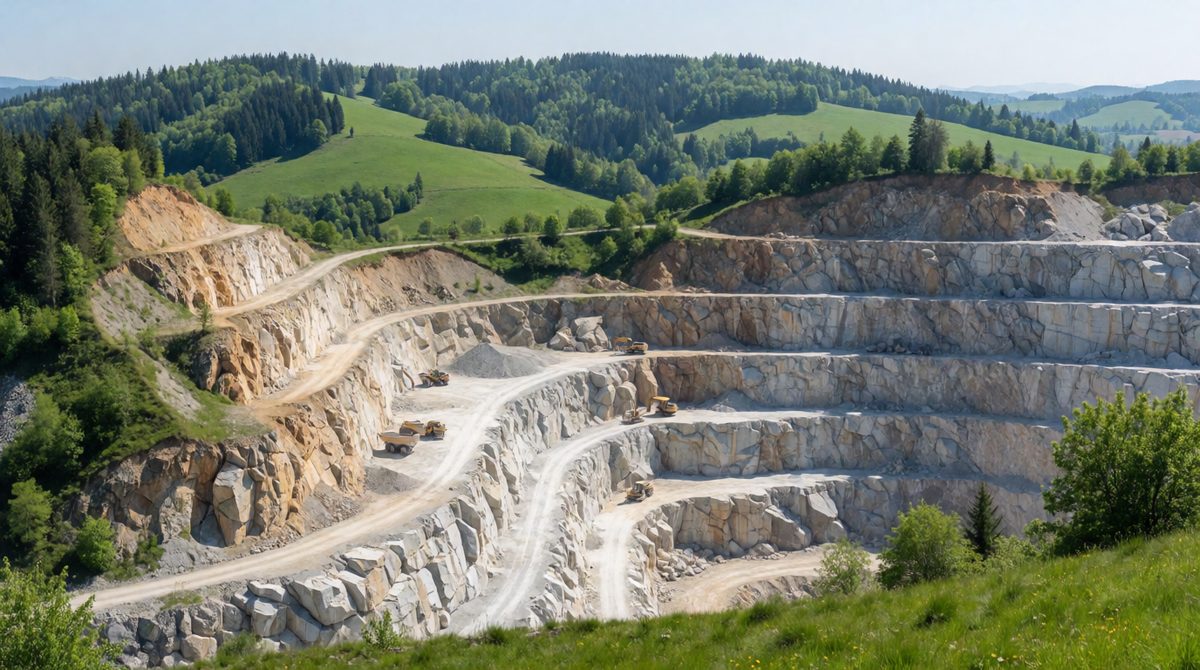
Quarrying brings jobs but can clash with tourism and conservation
Uplands are beautiful, but they are also working places. Many people want something different from the same land. Many UK upland areas are also National Parks, so the need to protect the landscape sits alongside the need for jobs.
Conflicts between land uses
- Tourists and farmers: walkers leave gates open, drop litter and let dogs worry sheep. Farmers lose animals and have to repair damaged walls.
- Tourists and quarrying: quarries are noisy, dusty and ugly, and lorries clog narrow roads. Visitors come for peace and quiet and may stay away.
- Forestry and tourism: rows of dark conifers can spoil views of open mountains and hide the natural shape of the land.
- Local people and tourists: traffic jams, crowded car parks and high house prices because of holiday homes, which make it hard for local people to live there.
Conflicts between development and conservation
Development means building or expanding things such as roads, car parks, hotels or quarries. These bring money and jobs. Conservation groups want to protect the scenery, wildlife and peace of the area. For example, a new road helps visitors and lorries, but it cuts through habitats and spoils the view.
Worked example
A company wants to extend a slate quarry in a National Park. For: more jobs and a bigger supply of slate. Against: noise, dust, lorries on small roads, and damage to the scenery and wildlife. In an exam, give a point for each side, then reach a judgement.
Managing conflicts
Management strategies try to let people use the land while reducing damage. They include:
- Planning control by National Park authorities: new buildings and developments must fit the area and be approved.
- Footpath repair and signs: stop erosion on busy paths and tell visitors where to walk.
- Park and ride and traffic limits: cut the number of cars on narrow roads.
- Rules for quarries: limits on working hours and lorry numbers, and restoring the land when quarrying ends.
- Mixed forests: planting broadleaf trees as well as conifers and leaving open spaces so forests look more natural.
The best strategies are a compromise, with everyone giving up something. How tourism is managed in one area is covered in the lesson Tourism in the Lake District.
Common mistakes
Writing that glaciated areas are "empty". Many people live and work there. Another mistake is saying tourism is only good or only bad. Always give both a benefit and a cost. Finally, conservation does not mean no development at all. It means careful, limited development.
Exam-style question
(a) Name two economic activities found in glaciated upland areas. [2 marks]
(b) Explain why conflicts can happen between farming and tourism in glaciated uplands. [4 marks]
Model answer
(a) Tourism (1) and sheep farming (1). Forestry or quarrying are also accepted.
(b) Tourists visit for walking and scenery (1). Walkers may leave gates open or drop litter (1), which lets sheep escape or harms them (1). Dogs can worry sheep, so farmers lose animals or have to repair walls (1).
Exam tip
For an "explain" question, link each point with "which means" or "so". Name what each side of the conflict loses.