Why live in a dangerous place?
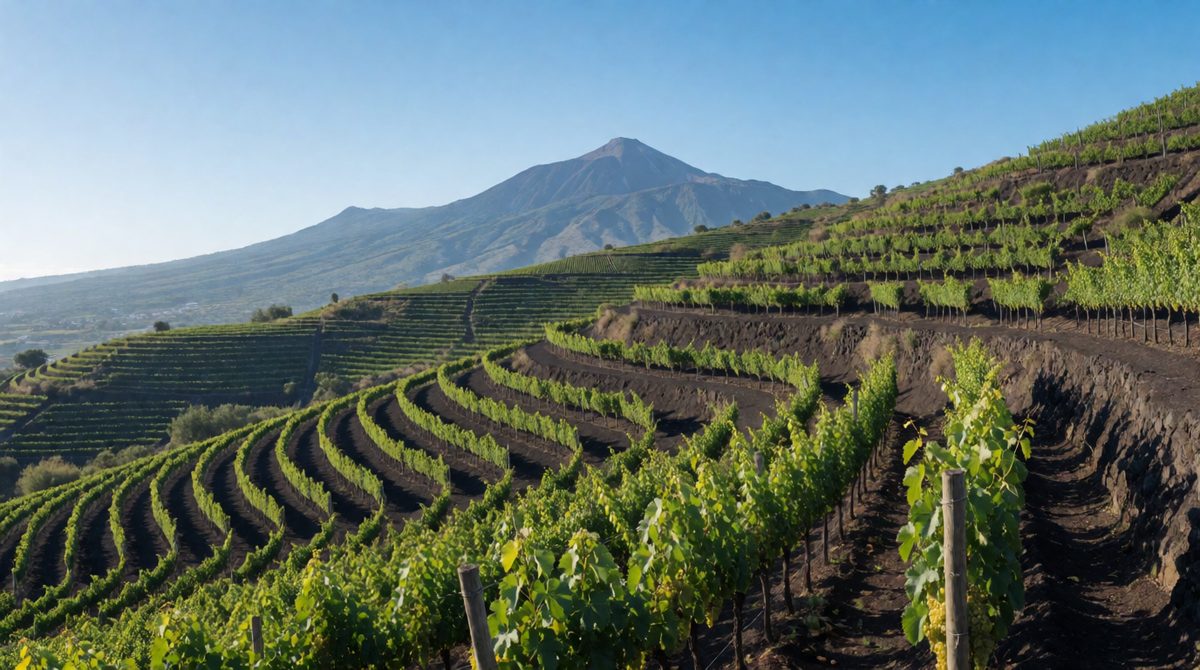
Rich volcanic soil is one reason people choose to farm near volcanoes
Earthquakes and volcanic eruptions can kill thousands of people. So why do so many people live close to plate margins? Many people have no real choice, and many others decide that the benefits are worth the risk. The reasons fall into a few groups.
🌾 Farming and resources
Volcanic ash breaks down into very fertile soil, so farmers can grow good crops. Volcanic areas can also have useful minerals, such as sulphur, and geothermal energy, which uses heat from underground to make electricity and heat buildings.
💼 Jobs and money
Volcanoes attract tourists, which creates jobs in hotels, shops and guiding. Cities near plate margins often have ports, businesses and services, so people move there to find work.
🏡 Family and home
Many people have lived in the same place for generations. Their family, friends and community are there, and they do not want to leave.
💰 No choice
Moving costs money. Poorer people may not be able to afford a new home or a new job elsewhere, so they stay even though they know about the danger.
Key terms:
- Geothermal energy: energy made using heat from inside the Earth.
- Monitoring: carefully watching a hazard for signs that it is about to happen.
- Prediction: saying when and where a hazard is likely to happen, using patterns and evidence.
- Protection: building or designing things so that a hazard does less damage.
- Planning: getting people and places ready so they know what to do before a hazard happens.
Other reasons people stay
Some people stay because they think the hazard is unlikely to happen to them. Eruptions and large earthquakes are rare, so people can forget about them in everyday life. Others feel safer because they trust that scientists will give a warning and that the government will manage the risk. Remember, risk is the chance of being harmed, and people weigh up that chance against the benefits of living there.
Common mistakes
Do not just write "they like it there". Give a clear reason, such as fertile soil, jobs from tourism, or being unable to afford to move, and then explain it in one more sentence.
How can the risks be reduced?
We cannot stop plates moving, so we cannot stop earthquakes or eruptions. Management cannot remove the hazard. It can reduce the effects on people. There are four main ways: monitoring, prediction, protection and planning.
Monitoring and prediction
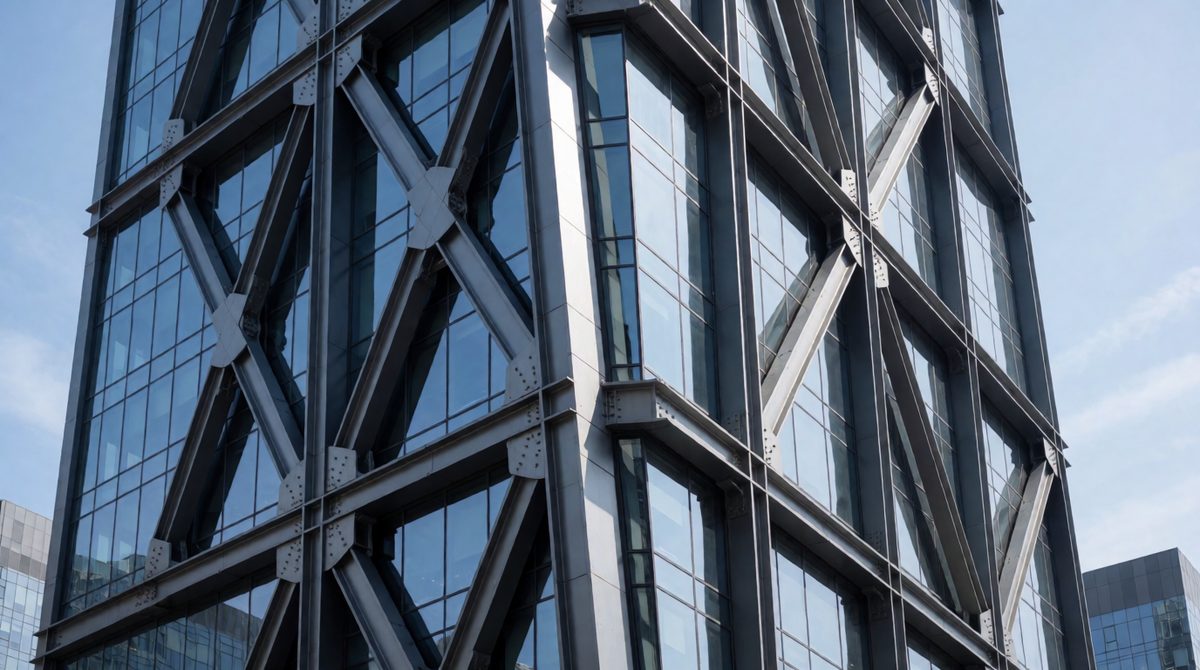
Earthquake-resistant buildings can sway without falling down
Scientists use equipment to watch for warning signs, especially on volcanoes.
- Seismometers measure small tremors. Lots of tremors under a volcano can mean magma is moving upwards.
- Tiltmeters and satellites measure changes in the shape of the ground. A volcano can swell as magma fills it.
- Gas sampling measures the gases coming from a volcano. A change in the amount of gas can be a warning sign.
Prediction works differently for the two hazards. Scientists can often give a warning before a volcano erupts, because signs build up over days or weeks. Earthquakes are much harder. Scientists know where earthquakes are likely, because plate margins are well known, but they cannot say exactly when one will strike. So earthquake warnings are very short, or not possible at all.
When a prediction is made, people can be told to leave the area. This is called evacuation, and it saves lives because people move before the eruption happens.
Protection
Protection means designing buildings and structures to survive the shaking.
🏢 Earthquake-proof buildings
Tall buildings can have deep foundations, steel frames that bend instead of breaking, and cross bracing to hold them together. Some have rubber shock absorbers in the base so the building can sway.
🔒 Safer fittings
Shatter-proof glass stops sharp pieces flying. Automatic gas shut-off valves reduce the risk of fires. Strong roofs protect people from falling debris near a volcano.
Protection is expensive. Rich countries can afford to build and update strong buildings. In poorer countries, many homes are built cheaply, so protection is often limited to important buildings like hospitals.
Planning
Planning means getting ready before the hazard happens. It does not stop the damage, but it helps people to cope.
- Hazard maps show which areas are at greatest risk, so new homes are not built in the most dangerous places.
- Evacuation routes and shelters are marked so people know where to go.
- Drills and education teach people what to do, for example to drop, cover and hold on in an earthquake.
- Emergency supplies such as food, water and first aid kits are kept ready.
Worked example
Point: earthquake drills reduce the number of injuries. Explain: people learn to take cover under a strong table, so they are less likely to be hit by falling objects. Link: this is planning because it prepares people before the hazard happens.
Comparing the four methods
📡 Monitoring and prediction
Give warning. They work best for volcanoes and are weak for earthquakes.
🏗 Protection and planning
Reduce damage and help people cope. They work for both hazards but cost money and time.
Exam-style question
(a) Give two reasons why people continue to live in areas at risk from a tectonic hazard. [2 marks]
(b) Explain how monitoring and prediction can reduce the risks from a volcanic eruption. [4 marks]
Model answer
(a) Any two from: the soil is fertile so farmers can grow crops (1); tourism creates jobs (1); they cannot afford to move (1); they have family and friends there (1).
(b) Scientists use seismometers to measure tremors and gas sampling to check for changes (1). A rise in tremors or gas shows that magma may be moving up towards the surface (1). This means scientists can warn that an eruption is likely (1). People can then be evacuated before the eruption, so fewer people are killed or injured (1).
Exam tip
In a 4 mark "explain" question, each mark point needs a link word such as "so" or "which means". Name a piece of equipment, say what it shows, then say how that saves lives.