Growth brings opportunities
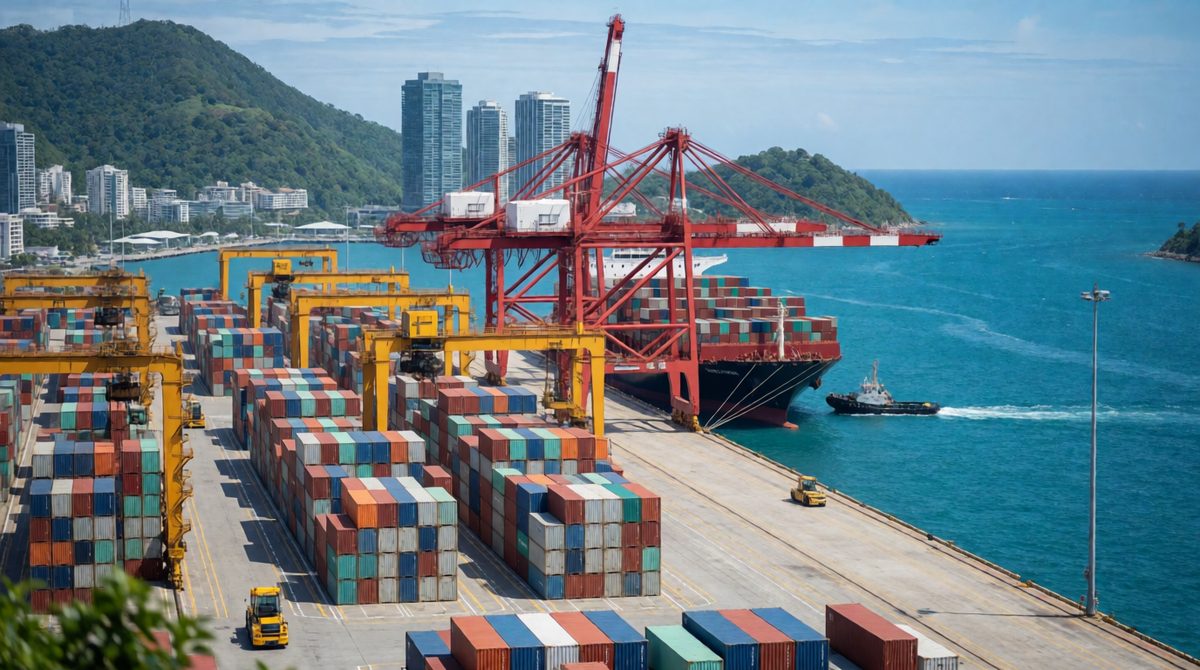
Growing cities offer jobs, like those at Rio's busy port
Rio de Janeiro has grown fast because people have moved there and families have grown. That growth is not only a problem. A big city can offer things that are hard to provide in small villages far apart. In this lesson we look at the opportunities that Rio's growth has created. The problems come in the next lesson, Rio de Janeiro: Challenges.
The spec splits the opportunities into two groups: social and economic.
Key terms:
- Opportunity: a chance to improve people's lives or the economy.
- Social opportunity: a chance to improve people's quality of life, such as better health, education, water and energy.
- Economic opportunity: a chance to create jobs, earn money and grow the economy.
- Access to services: how easily people can reach things like hospitals and schools.
- Resources: things people need to live, such as water and energy.
Social opportunities: access to services
Services are much easier to provide when many people live close together. One hospital or school can serve thousands of people in a city. In a remote rural area, the same number of people might be spread over a huge distance, and each village would need its own building and staff.
⚕ Health
Rio has many hospitals, clinics and specialist doctors. People in the city are more likely to live near a health centre than people in the countryside. Rio is also home to Fiocruz, a famous medical research institute. Better health care means people live longer and fewer babies die.
🎓 Education
Rio has many schools, colleges and universities. Children in the city are more likely to go to school and stay in education for longer. Education gives people the skills to get better jobs and earn more.
This is why many migrants come to Rio. Parents often move so that their children can reach a good school or a doctor. In Urbanisation Around the World you met this idea as a pull factor.
Social opportunities: access to resources
💧 Water supply
A big city can afford big water projects. The Guandu water treatment plant is one of the largest in the world. It cleans river water and supplies most of the drinking water for Rio. Clean piped water cuts the risk of illness and saves people from carrying water long distances.
⚡ Energy
Rio is connected to Brazil's electricity network. Brazil makes most of its electricity from hydroelectric power. Electricity lets people light their homes, keep food fresh, study in the evening and run businesses.
Why a city makes this easier
Pipes and power lines cost money for every kilometre. In a city, a short pipe or cable reaches many homes. That makes the cost per person much lower than in a scattered rural area.
Economic opportunities: urban industrial areas
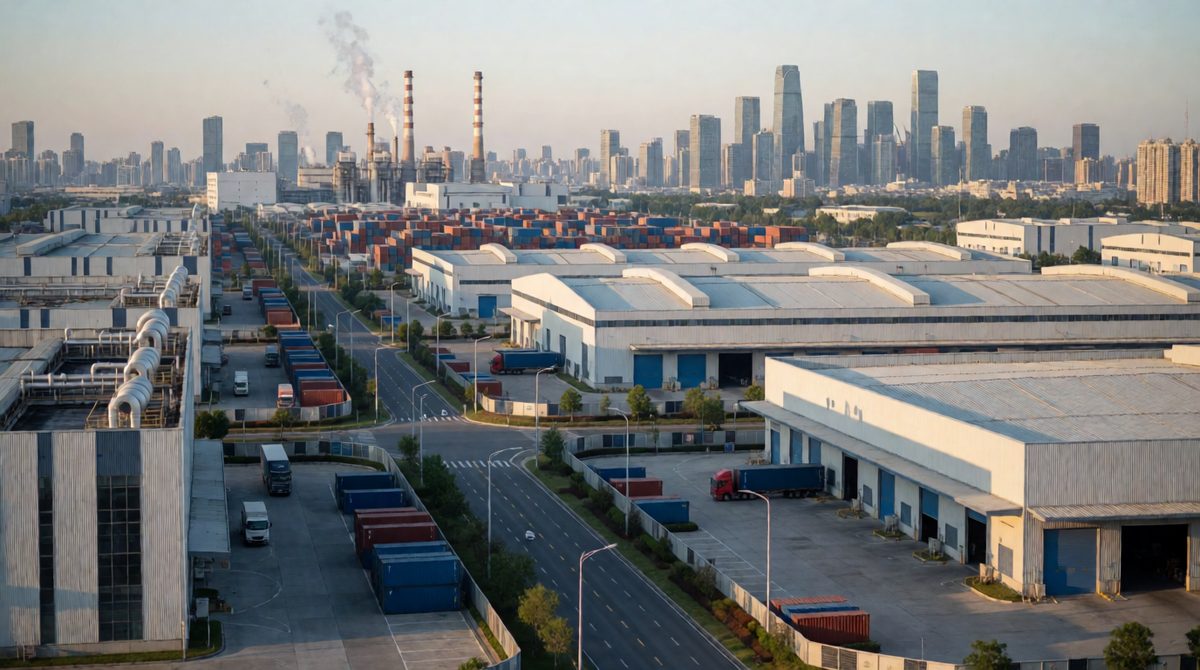
Industrial areas create jobs that pull people to cities
An urban industrial area is a part of a city where factories, workshops, ports and offices are grouped together. Rio has a large port, shipbuilding, and oil and gas companies. Petrobras, Brazil's national oil company, has its headquarters in the city, and much of Brazil's offshore oil is produced off the coast of Rio state.
These industrial areas act as a stimulus for economic development. A stimulus is something that starts or speeds up growth. It works like this:
- Jobs are created. Factories and ports employ thousands of workers, from engineers to cleaners.
- Workers earn wages. They spend their money in local shops, cafes and transport services.
- Other businesses grow. Companies that supply parts, food or services to the industry also need more workers.
- The government gets more tax. Tax pays for more schools, hospitals and roads, so social opportunities improve too.
This is a cycle: more industry means more jobs, more spending and more money for services. Then a healthier, better-educated workforce attracts even more industry.
Linking it all together
Social and economic opportunities support each other.
- A person moves to Rio for a job in an industrial area.
- With a wage, the family can afford better food and school costs.
- Their children get an education and may get a skilled job.
- Their taxes and spending help the city pay for more services.
This is why Rio is attractive to people from poorer parts of Brazil. It is also why Rio is important as a newly emerging economy, as you saw in Rio de Janeiro: Location and Growth.
Worked example: explaining a link
Question: Explain how an industrial area can help the development of a city.
Answer: An industrial area creates jobs (point). Workers earn wages and spend them locally (explain). This helps shops and services grow, so more jobs are created (develop). The government also collects more tax, which can pay for schools and hospitals (develop).
Common mistakes
1. Listing opportunities without explaining them, such as writing only "there are more jobs". Always say why it helps people.
2. Mixing up social and economic. Health and education are social. Jobs and industry are economic.
3. Writing about favelas and problems in an opportunities answer. Keep problems for the question that asks for challenges.
Exam-style question
Using a case study of a city in an NEE, explain how urban growth has created social and economic opportunities. [6 marks]
Model answer
Rio de Janeiro has many hospitals and schools because so many people live close together, so people have better access to health care and education (1). Better health care helps people live longer and better education gives skills for better jobs (1). Rio also has large water treatment plants such as Guandu, which supply clean drinking water and reduce disease (1). Economic opportunities come from urban industrial areas such as the port and oil industry (1). These create jobs and wages, which people spend in local shops, so more businesses grow (1). The government gets more tax, which can pay for more services and improve quality of life (1).
Exam tip
For 6 marks, aim for three social points and three economic points, each with a reason. Name Rio and use at least two facts that belong only to that city, such as Guandu or the oil industry.