🎭 Social
People can enjoy food, shops, music and art from many cultures. Neighbourhoods such as Stokes Croft and Gloucester Road are known for independent cafes, shops and street art. This helps people feel that the city has something for everyone.
Sign up to access the complete lesson and track your progress!
Unlock This Course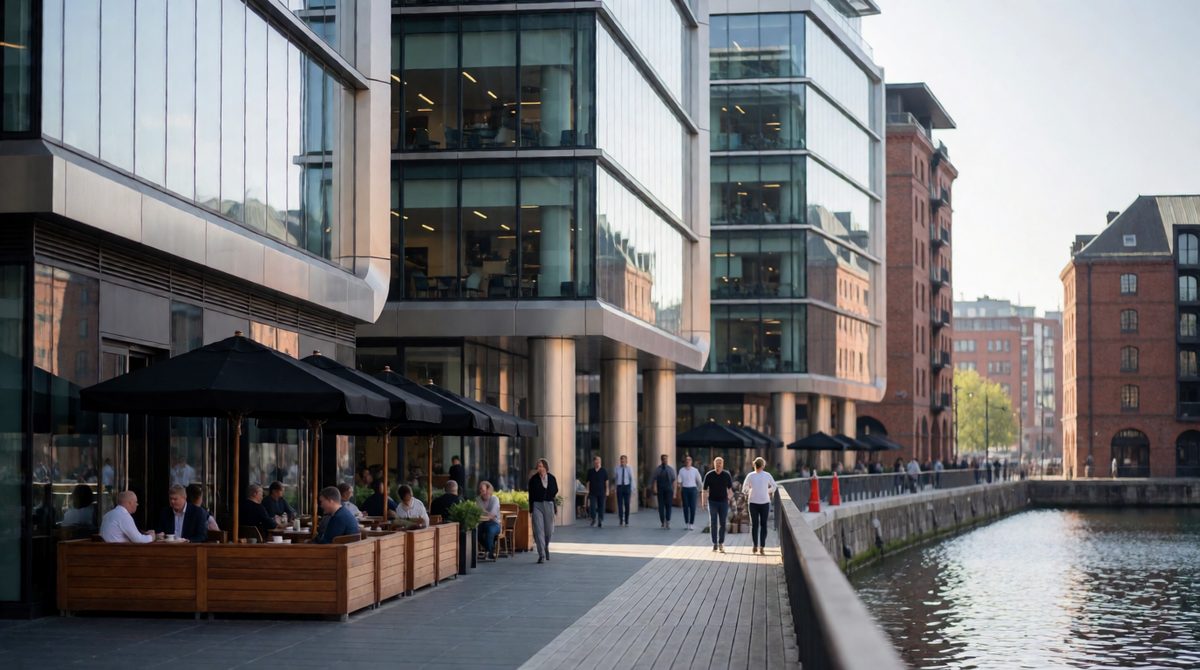
New jobs and leisure spaces are opportunities in a growing city
Cities never stand still. People arrive, businesses open, old buildings are reused and new roads and bus routes appear. This is urban change. In Bristol, urban change has created many opportunities. The spec groups them as social and economic, and environmental. You need named Bristol examples for each.
Remember, migration has shaped Bristol's character. This lesson is about what that growth and change has made possible.
Key terms:
Bristol's cultural mix is an opportunity in its own right. People from many places bring food, music, languages and ideas. This makes the city more interesting to live in and visit.
The mix creates both social and economic benefits:
People can enjoy food, shops, music and art from many cultures. Neighbourhoods such as Stokes Croft and Gloucester Road are known for independent cafes, shops and street art. This helps people feel that the city has something for everyone.
Visitors spend money in the city. Cafes, restaurants, markets and hotels all gain customers, and these businesses employ local people.
A big city can support places and events that a small town could not. Bristol has a lot to offer people in their free time:
These bring social benefits, because people have things to do and places to meet. They also bring economic benefits. Theatres, stadiums and shops employ staff. Big events bring in visitors who use hotels, taxis and restaurants. More spending means more jobs.
Urban change has changed the types of job in Bristol. The old docks no longer bring in most of the work. Bristol now has a wide range of employers:
A mix of jobs is a strength. If one industry struggles, people can find work in another. Higher wages mean more money spent in local shops, and this creates still more jobs.
Writing only 'Bristol has lots of jobs'. This is too vague. Name the type of job and the employer, then say why it is an opportunity (it gives people an income and boosts the local economy).
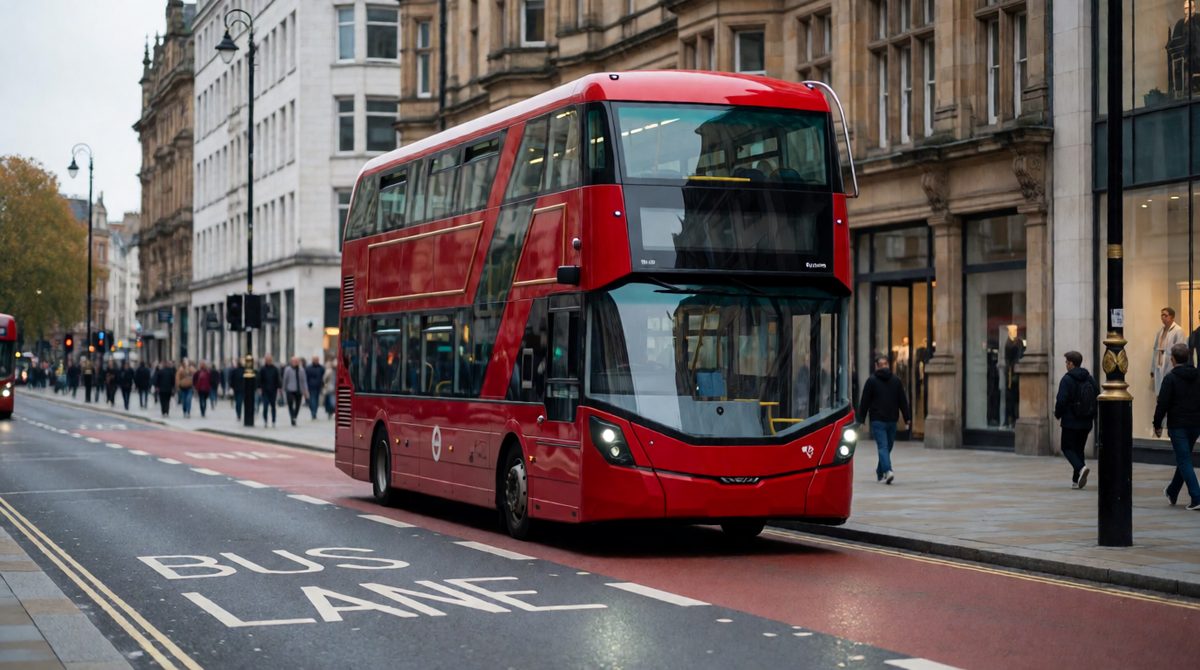
Integrated transport systems link buses, trains and cycling
A city of this size needs people to move around quickly. Bristol has worked towards an integrated transport system by linking different forms of transport together:
An integrated system is an opportunity because it lets people reach jobs, schools, hospitals and leisure more easily. It also makes the city more attractive to businesses, which want workers who can get to the office. It can reduce the number of car journeys, which helps reduce traffic and pollution.
Question: Explain one opportunity created by an integrated transport system in Bristol.
Answer: MetroBus uses dedicated bus lanes and busways for much of its routes (point). This means buses avoid much of the car traffic and can reach the city centre quickly (development). People living on the edge of the city can get to jobs and services more easily, so businesses can recruit from a bigger area (explanation of the opportunity).
Cities are often seen as grey places. Urban greening makes them greener. In 2015 Bristol was named European Green Capital, which recognised its work on making the city cleaner and greener.
Bristol has many green spaces, including:
Urban greening creates several environmental benefits. Trees and plants take in carbon dioxide and some air pollution. Green spaces are cooler than concrete on hot days. They also give wildlife a home and can help rainwater soak into the ground instead of running into drains.
There are social benefits too. Parks give people free recreation, and being in green space can improve mental health. You can use this link in an answer: environmental benefit first, then a social benefit.
Mixing up opportunities and challenges. Problems such as poverty or traffic congestion belong in the lesson Bristol: Challenges. Ideas to make a city more sustainable belong in Sustainable Urban Living. Keep this answer on opportunities only.
For a case study answer, think in three steps. First, name the opportunity (for example, an integrated transport system). Second, give a Bristol example (MetroBus, Park and Ride or the Railway Path). Third, say who benefits and how (commuters, businesses, the environment).
Using a case study of a major city in the UK, answer the following.
(a) Name one social opportunity created by urban change in your city. [1 mark]
(b) Explain how urban greening has created environmental opportunities in your city. [3 marks]
(c) Explain how employment has created economic opportunities in your city. [3 marks]
(a) Bristol's cultural mix gives people access to food, music and festivals from many backgrounds. (1)
(b) Bristol has parks such as Ashton Court and the Downs, as well as street trees and green roofs. (1) Trees and plants take in carbon dioxide and some air pollution, so the air in the city is cleaner. (1) Green spaces also give wildlife a habitat, and they keep the city cooler. (1)
(c) Bristol has jobs in education, health and creative industries, such as at the universities and the hospitals. (1) People earn wages and spend them in local shops and cafes. (1) This supports other businesses, creating more jobs and helping the local economy grow. (1)
In an 'explain' question, each mark is a link: a named example, then 'this means', then 'so'. In part (b), use the word 'because' to show you are explaining and not just listing.