Change brings problems as well as benefits
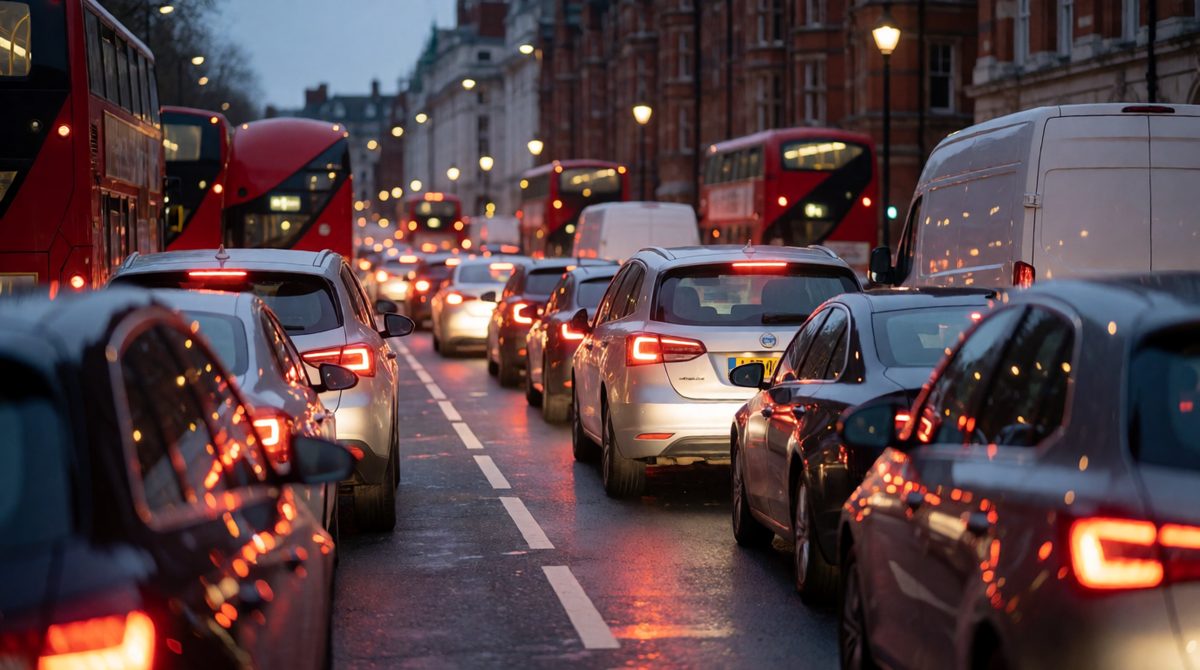
Traffic congestion is a challenge in growing UK cities
Bristol is a successful city. But the same growth that creates jobs and culture also puts pressure on people and places. Some neighbourhoods have done very well out of change. Others have been left behind. In this lesson you will look at the challenges of urban change in Bristol, in the order the spec uses: social and economic first, then environmental, then the effects on the edge of the city.
Social and economic challenges: urban deprivation
Bristol is an unequal city. Some areas, such as Clifton and Redland, are among the more comfortable parts of England. Other areas, such as Knowle West and Hartcliffe in the south and Lawrence Weston in the north west, are among the most deprived in England. They can be only a few miles from the city's wealth, yet feel very far from it.
Key terms:
- Urban deprivation: when people in a city area lack things most people take for granted, such as a good income, decent housing, good health and a good education.
- Inequality: an unfair gap between richer and poorer people or places.
Inequalities in housing, education, health and employment
🏠 Housing
House prices and rents in Bristol have risen faster than many people's wages. Young people and low income families struggle to afford a home. Waiting lists for council and housing association homes are long, some people live in overcrowded or poor quality housing, and some are homeless.
🎓 Education
On average, pupils from the poorest areas get lower GCSE results than pupils from wealthier areas. Poorer families may have less money for books, a quiet place to study or a computer. Lower qualifications then make it harder to get a well paid job.
❤ Health
People in the most deprived areas tend to be less healthy and die younger. Life expectancy can differ by several years between the richest and poorest parts of the city. Poor housing, lower incomes and less access to healthy food and green space all play a part.
💼 Employment
Bristol has many skilled jobs in aerospace, finance and technology. But people without the right qualifications may not be able to get them. They are more likely to work in low paid or insecure jobs, or to be unemployed. Some of the best jobs can also be far from the poorest areas, which can mean long, expensive journeys.
These four inequalities are linked. Poor housing can harm health. Poor health can affect school and work. Fewer qualifications lead to lower pay, which makes it harder to afford a good home. This is called a cycle of deprivation.
Environmental challenges: dereliction
Dereliction is when buildings and land are abandoned, run down and left unused. Bristol was once a big industrial and port city, with factories, warehouses and docks. When industries declined and shipping moved down the river to Avonmouth and Portbury, many old industrial buildings, such as warehouses and sites around the Harbourside and Temple Meads, were left empty. Derelict buildings look ugly, can attract crime and vandalism, and put off new businesses and visitors. The tidying up and reuse of this land is covered in the lesson Regenerating Bristol: Temple Quarter.
Building on brownfield and greenfield sites
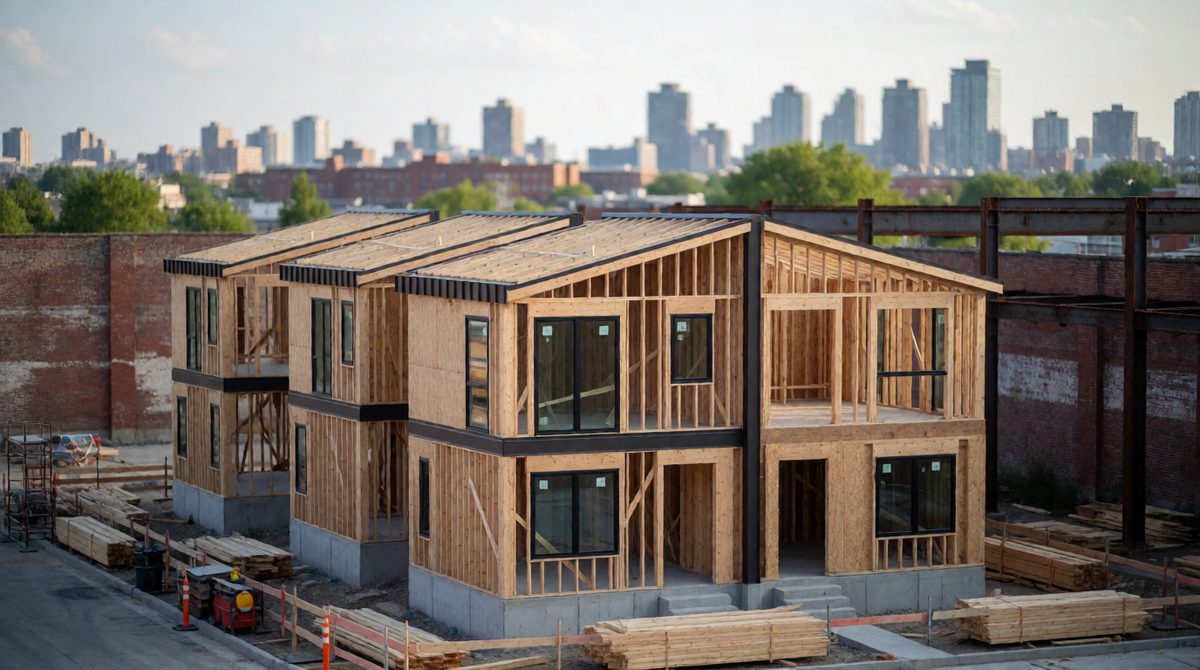
Brownfield sites are old built-up land that can be reused
Bristol needs thousands of new homes, so land must be found for them.
- Brownfield site: land that has been built on before, such as an old factory, depot or airfield. Building on brownfield sites reuses land and protects the countryside. But the land may be polluted and costly to clean up. The former Filton Airfield in north Bristol, which closed in 2012, is being used for new homes.
- Greenfield site: land that has never been built on, often farmland or open countryside on the edge of the city. Building here is usually cheaper and quicker, but it destroys habitats and farmland, and uses up the green space that people enjoy.
Bristol is surrounded by green space, including Green Belt land that is meant to stop the city spreading. Deciding between brownfield and greenfield sites is often controversial.
Waste disposal
More people means more rubbish. Bristol's households, shops and businesses produce a huge amount of waste, and it must be collected, sorted and disposed of. Landfill sites take up land, can smell and release harmful gases. Recycling helps, but it needs space and money. Energy from waste plants, such as the one at Avonmouth, burn rubbish to make electricity, but they can bring lorry traffic and emissions. Waste disposal is an environmental challenge because it takes land and can damage the surrounding area.
Urban sprawl and the rural-urban fringe
Urban sprawl is the unplanned spread of a city into the surrounding countryside. Through the twentieth century Bristol spread outwards with new housing estates, roads and retail parks.
The rural-urban fringe is the zone on the edge of a city where the built-up area meets the countryside. Sprawl brings changes here:
- farmland and wildlife habitats are lost
- there is more traffic, noise and air pollution
- villages lose their separate identity as the city creeps towards them
- green space for walking and relaxing is reduced
Commuter settlements
Many people who work in Bristol choose to live in smaller towns and villages around it. They travel into the city each day. Places such as Portishead, Nailsea, Keynsham and Yate have grown into commuter settlements. This brings challenges for both sides:
- Roads and trains into Bristol are very busy at rush hour, causing congestion and pollution.
- House prices in these places can rise, so local young people cannot afford to stay.
- Local shops and services may lose trade, as residents work and spend money in the city.
Key terms:
- Brownfield site: land that has been built on before and is available to use again.
- Greenfield site: land that has never been built on.
- Urban sprawl: the unplanned spread of a city into the countryside.
- Rural-urban fringe: the edge of a city where the built-up area meets the countryside.
- Commuter settlement: a town or village where many residents travel to a city for work.
Common mistakes
Many students describe a challenge without saying who or what is affected, for example writing only 'there is waste'. Always say what the problem causes. Do not mix up brownfield (used before) and greenfield (never built on). Also, remember commuter settlements are outside the city, not inside it.
Exam-style question
(a) Explain one social challenge caused by urban change in a named UK city you have studied. [2 marks]
(b) Explain why building on greenfield sites on the edge of Bristol can be a problem. [3 marks]
Model answer
(a) In Bristol, there is inequality in housing (1). House prices have risen faster than wages, so many people on low incomes cannot afford a decent home and some end up overcrowded or homeless (1).
(b) Greenfield sites have never been built on, so building there destroys farmland and wildlife habitats (1). It adds to urban sprawl, which uses up green space around the city (1). It also increases traffic and pollution because new residents need roads and often commute by car (1).
Exam tip
In an 'explain' question, give a point and then a reason or result. Use the word 'because' or 'so' to link them, and use the name of the city to show it is a case study.