🏢 Environmental problems
There was a lot of derelict land and empty buildings on land that had been used before. Large areas looked run down and unattractive, which put people off visiting.
Sign up to access the complete lesson and track your progress!
Unlock This Course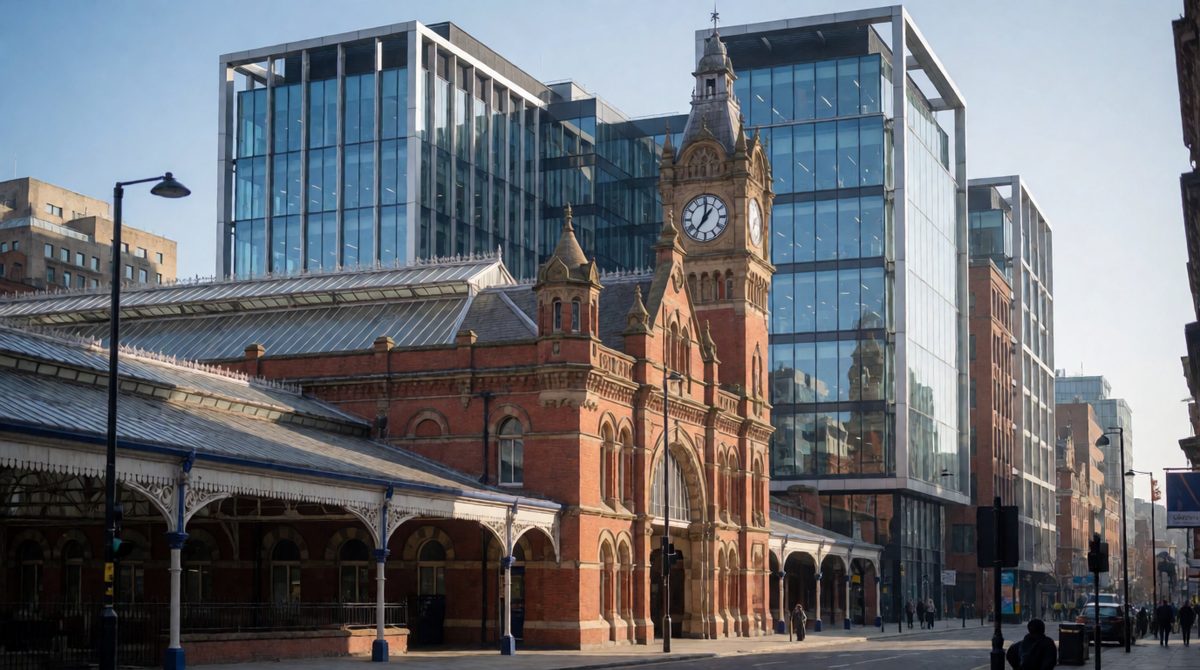
Regeneration brings new life and jobs to run-down areas
Cities never stand still. Some parts grow and thrive, while others are left behind when the industries around them close. Over time, these parts can become run down, empty and unattractive.
Urban regeneration is the investment of money and effort to bring new life to a run-down urban area. The aim is to make the area a better place to live, work and visit. The spec asks you to know one example. You need to show why the area needed regeneration and the main features of the project.
Our example is Temple Quarter in Bristol. Remember, dereliction and brownfield sites are problems that cities face. Temple Quarter is a real answer to those problems.
Key terms:
Temple Quarter sits in the heart of Bristol, right next to Bristol Temple Meads railway station. The station is the city's main rail hub, and it is only a short distance from the city centre.
This is a very good location. People can reach it by train, bus and bicycle. Even so, for many years much of the land around the station was not used well.
The land around Temple Meads was once busy with railways, industry and warehouses. As old industries closed or moved away, many buildings and large sites were left empty or under-used. The result was a mix of problems.
There was a lot of derelict land and empty buildings on land that had been used before. Large areas looked run down and unattractive, which put people off visiting.
Valuable land so close to a station and city centre was being wasted. There were few jobs on the empty sites, and the area was not attracting investment.
Bristol is a growing city and needs more homes. Using old land inside the city helps to meet this need without spreading the city outwards onto the countryside.
Put simply, a well-connected site close to the city centre was not doing a useful job. Regeneration was a way to put it to work.
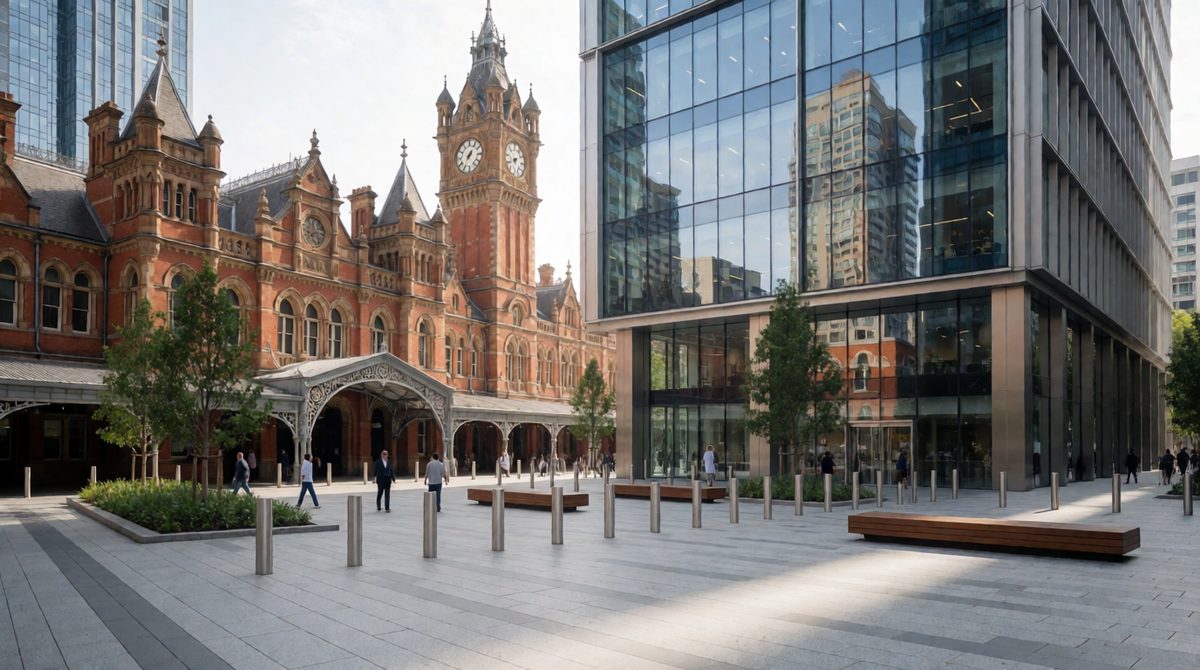
Regeneration turned derelict land near the station into new offices and spaces
Temple Quarter is a long-term plan that will take many years. Parts of it are already built, and more is still to come. The main features are:
This is a mixed-use development. People will be able to live, work and study in the same place, close to a major station.
New jobs, new homes and better public spaces.
Workspace in a location with excellent transport links.
Empty land is put to use, which reduces pressure to build on the edge of the city.
Students often describe Bristol in general rather than Temple Quarter. Always name the area, and give a specific feature. Another mistake is to list only the benefits. The question asks for the reasons the area needed regeneration, so start with the problems before the project.
Using a named example of an urban regeneration project, explain why the area needed regeneration and describe the main features of the project. [4 marks]
Temple Quarter in Bristol needed regeneration because much of the land around Temple Meads station was derelict and under-used after old industries had closed (1). This wasted valuable land close to the city centre and provided few jobs (1). The main features include an Enterprise Zone to attract creative and digital businesses (1), and a new University of Bristol campus on the site of a former sorting office, as well as new homes and public space (1).
Four marks means four separate points. Write one clear reason or feature in each sentence, and name Temple Quarter so that the examiner can see you know the place.