☀ Climate
Very hot, dry places suffer droughts, so crops fail and people go hungry. Tropical climates can spread diseases such as malaria, which keeps people out of work and school and costs money to treat.
Sign up to access the complete lesson and track your progress!
Unlock This Course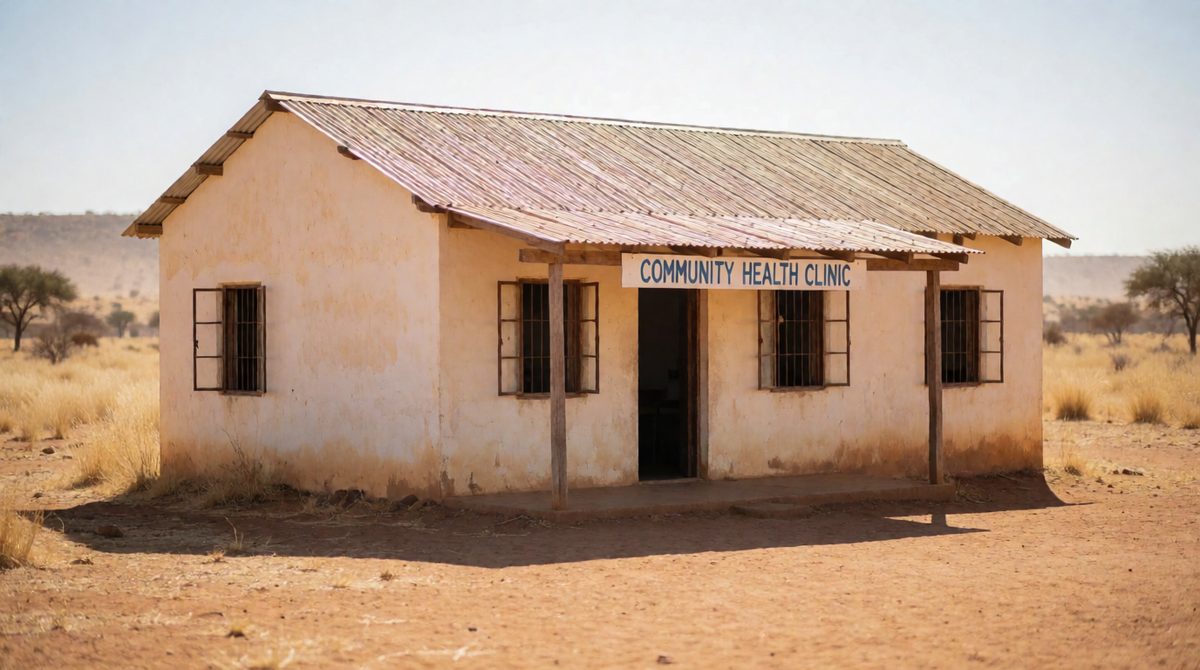
Access to health care is very uneven between richer and poorer countries
Countries around the world are not equally developed. A child born in one country may expect a long, healthy life with good schools. A child born in another may face disease, poor food supply and few chances to earn a decent wage. This gap is called uneven development.
No single reason explains it. Geographers group the causes into three types: physical, economic and historical. They often work together, so one problem makes another worse.
Key terms:
Physical causes come from the natural environment. They make it harder for a country to grow its economy.
Very hot, dry places suffer droughts, so crops fail and people go hungry. Tropical climates can spread diseases such as malaria, which keeps people out of work and school and costs money to treat.
Earthquakes, floods and tropical storms destroy homes, roads and farms. Poorer countries often cannot afford to rebuild quickly, so each disaster sets development back.
Some countries have few useful resources, such as fertile soil, fresh water or minerals. Without them it is hard to farm, build industry or earn money from exports.
A landlocked country has no coast. It has no seaports of its own, so trade depends on roads and railways through neighbouring countries. This makes trade slower and more expensive.
Remember that physical problems do not doom a country. Some countries with few natural resources have developed well. Physical causes make development harder, but they are only part of the story.
Economic causes are about how a country earns money and uses it.
Many poorer countries earn most of their money by selling primary products. The prices of these swing up and down from year to year. A bad price one year means less money for schools and hospitals. Manufactured goods usually sell for much more than raw materials, so countries that only export raw materials earn less than countries that make finished goods.
Some richer countries put taxes or limits on goods coming in from poorer countries. This protects their own industries but makes it harder for poorer countries to sell their goods.
Some countries borrow money and then have to pay it back with interest. Repayments can take up a large share of the country's income. Less is left to spend on health, education and roads.
Businesses need good roads, electricity and a trained workforce. Where these are missing, companies do not want to invest. Without jobs and new industry, the country stays poor.
Events in the past still affect countries today.
A drought (physical) ruins crops, so a country has less to sell (economic). It borrows money and falls into debt. Colonial rule left it with only one export crop and little industry (historical). The causes feed into each other in a cycle that is hard to break.

Uneven development creates big gaps in wealth between and within countries
The first consequence of uneven development is a wide disparity in wealth. People in the poorest countries earn far less than people in the richest ones. Many families live on a very small income, spend most of it on food, and cannot save.
Low income also means the government collects little tax. It has less money to spend on schools, roads, clean water and hospitals, so poor countries find it hard to escape poverty. Wealth gaps can also grow inside a country, between a rich city and a poor rural area.
Poorer countries usually have worse health. This links to the social measures you have already met.
Ill health then makes the wealth gap worse. People who are sick cannot work, and children who miss school grow up with fewer skills.
Uneven development also causes international migration, which is people moving from one country to another. Many people leave poorer countries to find work, better pay, safety, healthcare and education elsewhere. Look back at push and pull factors: poverty, lack of jobs and conflict push people away, while jobs and services pull them towards wealthier countries.
It loses young, skilled workers such as doctors, which is sometimes called a brain drain. On the other hand, migrants often send money home to their families, which can help pay for food, school and healthcare.
It gains workers who fill job gaps and pay taxes. It may also face more pressure on housing, schools and hospitals.
Saying uneven development has only one cause. Always give a mix of physical, economic and historical reasons. Another mistake is to say poor countries are poor because they are 'lazy' or 'badly run'. Examiners want geographical reasons, such as climate, debt, trade and colonial history.
(a) Give one physical cause of uneven development. [1 mark]
(b) Explain how two historical or economic causes can lead to uneven development. [4 marks]
(c) Explain how uneven development can lead to international migration. [3 marks]
(a) Any one: a landlocked location, or drought, or a lack of natural resources. (1)
(b) Colonial rule meant raw materials were taken out of the country and most profit left with the ruling country (1), so the colony had little industry or wealth to build on after independence (1). Relying on primary products means a country earns little because raw material prices are low and change a lot (1), so it has less money to spend on schools and hospitals (1).
(c) Poverty and a lack of jobs in a poor country push people to leave (1). Richer countries offer better pay, jobs and services which pull migrants in (1). Migrants may move to earn a better wage and send money home to their families (1).
On 'explain' questions, use linking words such as 'so', 'which means' or 'this leads to'. Each cause needs a link to a result to earn the second mark.