Closing the gap
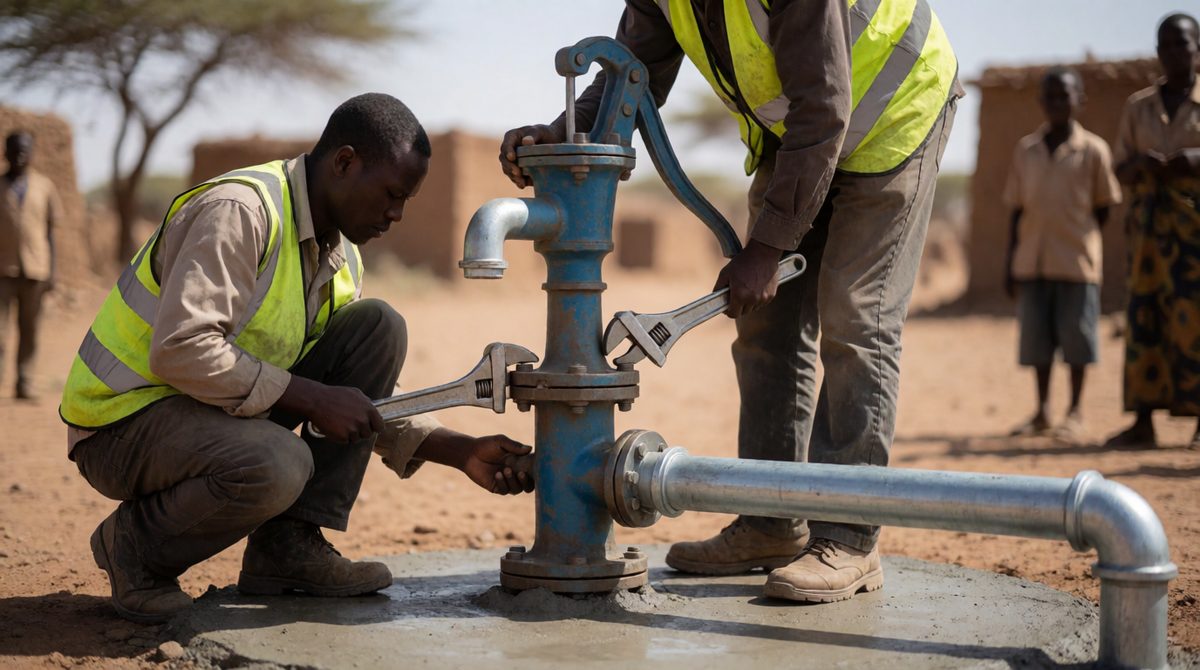
Aid projects like clean water pumps help reduce the development gap
You have seen that countries are at very different levels of development. This difference is called the development gap. It is not fixed. Governments, companies, charities and individuals all try to reduce it.
The spec lists seven strategies: investment, industrial development and tourism, aid, using intermediate technology, fairtrade, debt relief and microfinance loans. This lesson gives you an overview of each one. For every strategy you should be able to say what it is and how it could help a country develop.
Key terms:
- Development gap: the difference in wealth and quality of life between richer and poorer countries.
- Investment: money put into a country or business to help it grow.
- Aid: help given to a country, such as money, goods or skills.
- Intermediate technology: simple, low-cost equipment that local people can afford, use and repair.
- Fairtrade: a system that guarantees farmers and workers a fair price for what they produce.
- Debt relief: cancelling or reducing money a country owes.
- Microfinance loan: a very small loan given to a person who is too poor to borrow from a bank.
Investment, industry and tourism
💰 Investment
Money from other countries or companies can pay for roads, power stations, schools and factories. Better roads and electricity make it easier for businesses to start and grow. New businesses create jobs, and workers pay taxes that the government can spend on services.
🏭 Industrial development
Building factories and growing industry creates jobs that pay more than subsistence farming. Goods made in the country can be sold abroad. Exports bring in money, which can be used to improve services such as health and education.
Tourism works in a similar way. Visitors spend money on hotels, food, guides and souvenirs. This creates jobs for local people and earns foreign money. Tourism can also bring in new roads and airports, which help the whole country. One example is covered in the lesson on tourism in Jamaica.
Each of these strategies has a risk. Money may leave the country if the investors are foreign companies. Jobs may disappear if the industry fails. Tourism may only be busy in some seasons.
Aid
Aid is help given to a poorer country. It may be money, food, medicines, equipment or skilled workers such as doctors and engineers. It can come from governments, from international organisations or from charities.
Aid can build schools, clinics and clean water supplies. It can also save lives after a disaster. However, aid does not always reach the people who need it most. Some aid comes with conditions, and some countries can come to depend on it. The different types of aid and their impacts are covered in the lesson on Nigeria: trade, aid and quality of life.
Intermediate technology
Intermediate technology sits between very simple tools and very advanced machines. It is cheap, easy to use and can be maintained by local people without outside experts. It is often called appropriate technology, because it suits the needs and skills of the community.
- A hand-pump to bring up clean water from a well.
- A small solar panel to power a light or charge a phone.
- A simple water filter made from sand and gravel.
A big dam or a complicated machine may break down and cost too much to fix. Small projects like these are cheaper, use local labour and can be fixed locally. They also tend to be better for the environment.
Fairtrade
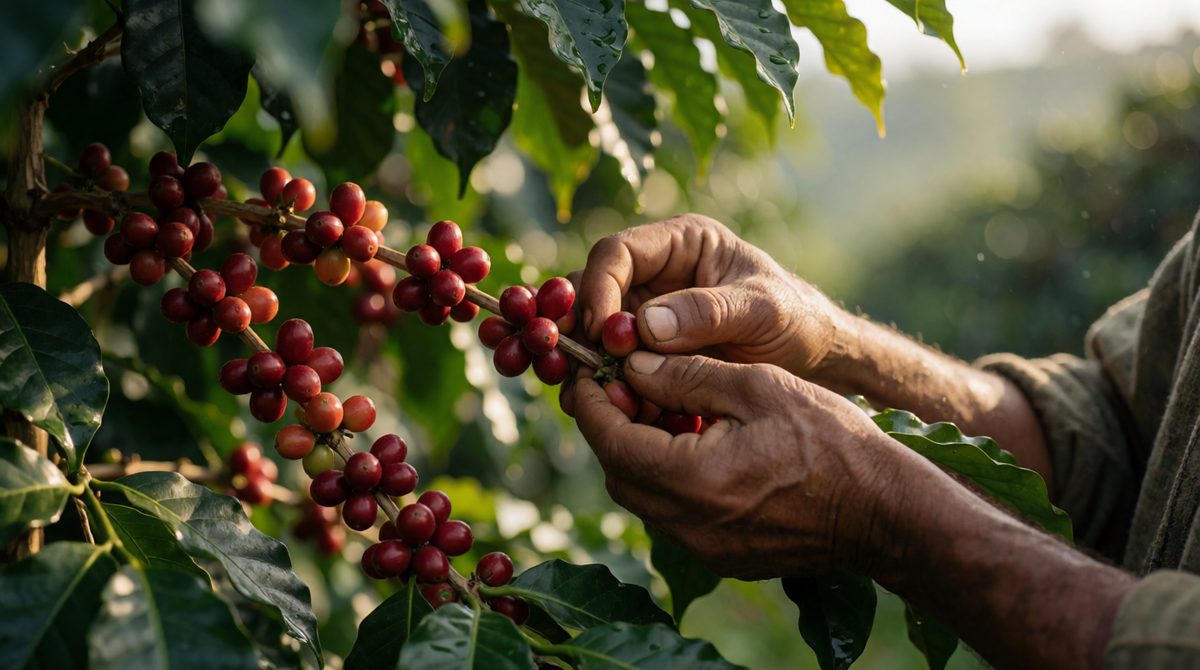
Fairtrade gives farmers a fairer price for crops like coffee
Many farmers in poorer countries grow crops such as coffee, cocoa and bananas. The world price of these crops can rise and fall sharply. When the price falls, farmers may earn too little to live on.
Fairtrade tackles this problem. Farmers get a guaranteed minimum price for their crop, so they know what they will earn. They also receive an extra payment called a premium, which the community spends on projects such as schools or clean water. Fairtrade products carry a label so shoppers can choose them in shops.
Fairtrade can improve incomes, give farmers more security and help them plan ahead. It also encourages better working conditions. The limit is that only some farmers are part of the scheme, and the products often cost more in the shops.
Debt relief
Many poorer countries borrow money from richer countries and banks. They then have to pay it back with interest. Some countries spend so much repaying debts that they have little left for health care and education.
Under debt relief, some or all of the debt is cancelled or reduced. The money that would have gone on repayments can then be spent on services that improve quality of life. Debt relief is often given on condition that the money is spent on things like schools and clinics, not on weapons.
The downside is that lenders lose money, and countries may find it harder to borrow in the future.
Microfinance loans
Poor people often cannot borrow money from a normal bank, because they have no savings or property to offer as security. Microfinance fills this gap. Organisations give very small loans to individuals or small groups, who pay them back in small amounts over time.
A loan might be enough for a farmer to buy seeds, a woman to buy a sewing machine or a villager to buy a cow. The business grows, the person earns more and the loan is repaid. The money can then be lent to someone else. One well-known microfinance organisation is the Grameen Bank in Bangladesh.
Microfinance helps families to start small businesses and become independent. It does not solve every problem, though. Loans are small, so the effect on the whole country is limited.
Strategies at a glance
Investment: money for roads, power and business. Industry and tourism: jobs and foreign income. Aid: help from outside. Intermediate technology: cheap, local, easy to repair. Fairtrade: fair price for farmers. Debt relief: cancelling debts. Microfinance: small loans for small businesses.
Common mistakes
Students write that aid or investment "solves" poverty. No single strategy does. Always say how it helps, and give one limit. Do not mix up debt relief (cancelling a debt) with microfinance (small new loans). Do not describe intermediate technology as the "latest" technology. It is simple and low cost.
Exam-style question
(a) State what is meant by intermediate technology. [1 mark]
(b) Explain how fairtrade can help to reduce the development gap. [3 marks]
(c) Give one reason why debt relief may help a country to develop. [2 marks]
Model answer
(a) Simple, low-cost technology that local people can afford, use and repair. (1)
(b) Farmers are paid a guaranteed minimum price for their crops (1), so they have a more secure income even when world prices fall (1). A premium is paid to the community, which can be spent on schools or clean water, improving quality of life (1).
(c) The country no longer has to spend so much on repayments (1), so it can spend the money on services such as health care and education (1).
Exam tip
In a 3 mark "explain" question, link each point with a "so" or "which means". Here that is: guaranteed price, so secure income, so better quality of life.