💰 Economic benefits
Tourists bring foreign exchange. This helps to pay for imports and for the government to spend on services. Hotels, restaurants, taxis and craft sellers pay taxes. Jobs bring wages, so more families have an income.
Sign up to access the complete lesson and track your progress!
Unlock This Course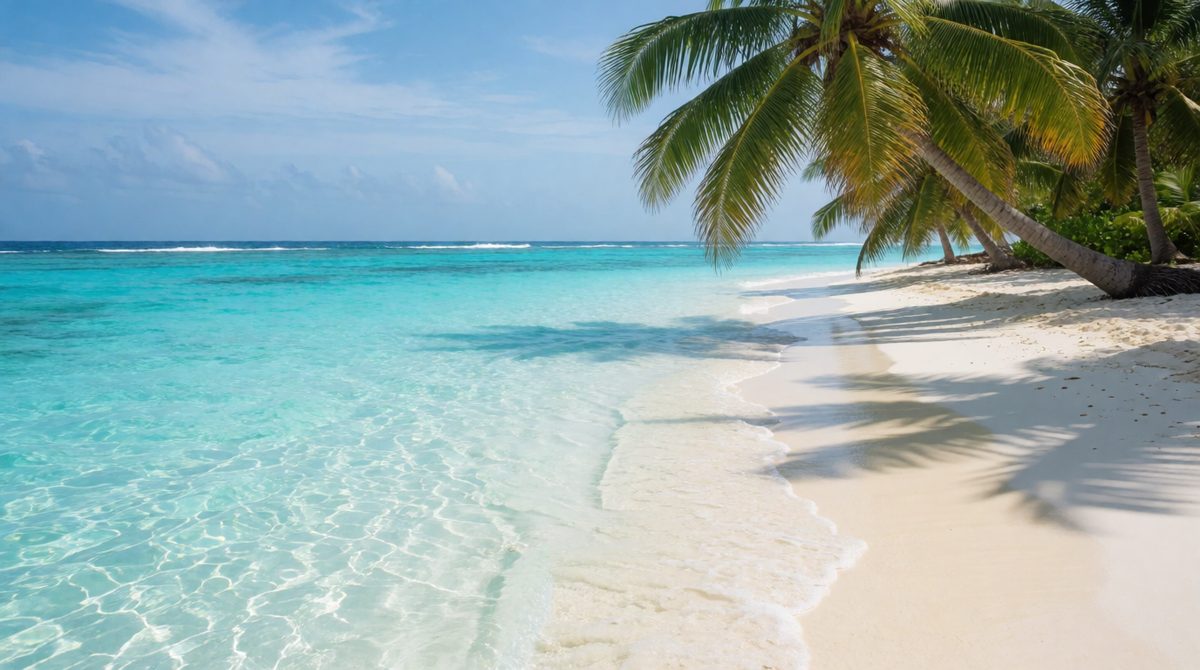
Tourism brings jobs and money to Jamaica
Jamaica is an island in the Caribbean Sea, south of Cuba. Its capital is Kingston. It is a developing country, with a much lower GNI per head than the UK. Jamaica has to import a lot of its food, fuel and goods, so it needs to earn money from abroad.
Jamaica has things that visitors love: warm weather all year, white sand beaches, coral reefs, rainforest and mountains. It also has a strong culture, with reggae music, Bob Marley and famous food such as jerk chicken. Most visitors come from North America and Europe, including the UK.
Key terms:
Most tourism is on the north and west coasts, where the best beaches are. The main resort areas are:
Visitors arrive in two main ways. Stopover visitors fly in and stay on the island for a holiday. Cruise passengers visit for a day or so as their ship stops at a port. Jamaica receives around four million visitors in a typical recent year. That is more than the island's own population of about three million.
Tourism is one of Jamaica's biggest earners. Growth in tourism helps to reduce the gap between Jamaica and richer countries in several ways.
Tourists bring foreign exchange. This helps to pay for imports and for the government to spend on services. Hotels, restaurants, taxis and craft sellers pay taxes. Jobs bring wages, so more families have an income.
Many people work in hotels, as guides, drivers, chefs and musicians. There are also indirect jobs, such as farmers who grow food for hotels and builders who construct new resorts.
Tourists need good roads, airports, water and electricity. Investment in these helps local people too, because they can travel and trade more easily.
Higher incomes and tax money can be spent on schools and health care. Workers can afford better food, homes and education for their children.
Here is how the multiplier effect works in Jamaica.
One tourist's spending therefore helps many people, not only the hotel owner. Over time this grows the whole economy and moves it away from relying only on farming and mining. Jamaica's older industries included sugar and bauxite, so tourism gives it a valuable extra source of income.
A hotel takes in money from tourists. It pays a chef a wage. The chef pays a local taxi driver and buys food at a market. The taxi driver and market trader spend their income in local shops. One payment has now helped the chef, the taxi driver, the market trader and the shop owners. That is the multiplier effect.
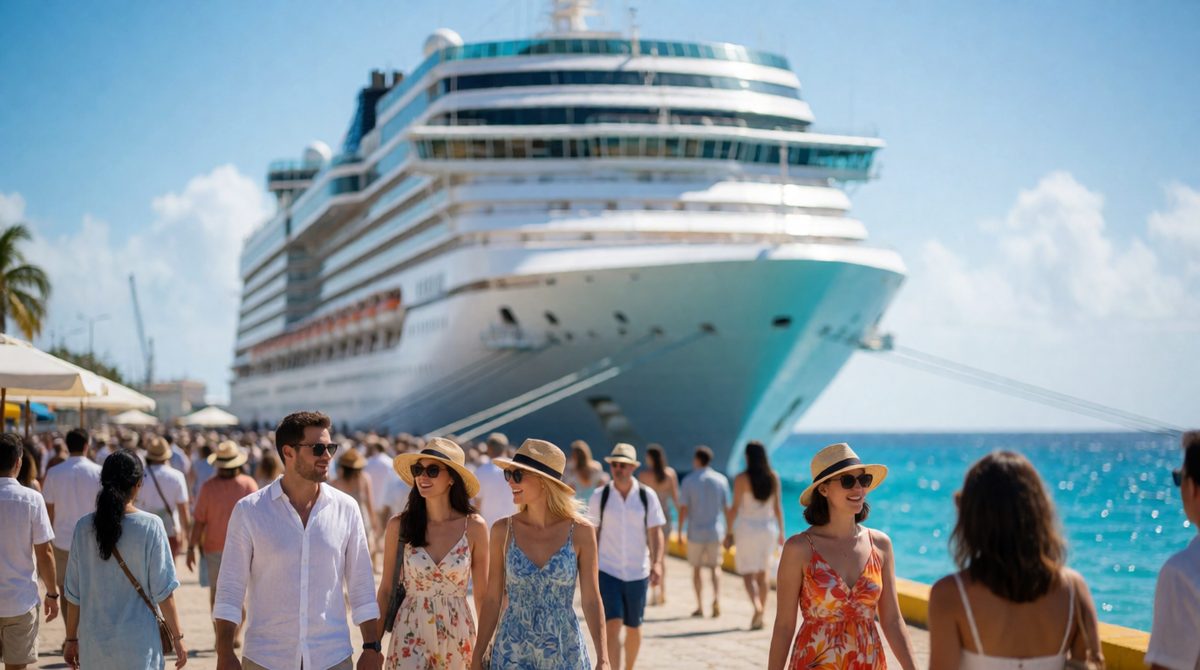
Mass tourism can cause problems like crowding and pollution
Tourism does not help everyone equally. Some of the money does not stay in Jamaica, and tourism can cause problems.
Many large all-inclusive resorts are owned by foreign companies. Some profits are sent abroad. Tourists also eat and drink inside the resort, so little money reaches local shops.
Hotels and boats can damage coral reefs and beaches. Resorts use lots of water and produce waste and sewage. Cruise ships and building new resorts put pressure on the coast.
Many tourism jobs are seasonal and low paid. Local people may be blocked from private beaches. Some feel that their culture is treated as a product to sell.
Jamaica is also at risk from hurricanes, which usually happen between June and November. A bad storm can damage hotels and scare visitors away, so people lose their incomes quickly. Relying too much on one industry is risky.
Some projects try to keep more of the benefits in Jamaica. Community tourism lets visitors stay in small, locally owned guesthouses and eat in local restaurants, such as at Treasure Beach on the south coast. Visitors spend money directly with local people, which cuts leakage. Some hotels also buy their food from Jamaican farmers, and others train local staff for better paid jobs.
Tourism has helped Jamaica to earn foreign exchange, create jobs and improve infrastructure, which helps to reduce the development gap. However, leakage, damage to the environment and the risk of hurricanes mean that it cannot solve every problem alone. The more of the money that stays with local people, the more the gap can close.
Writing only that "tourism brings money". Always explain how the money helps development, for example through jobs, taxes, infrastructure, schools and health care. Another mistake is forgetting the problems: a good answer says that tourism helps but has limits.
(a) Explain one way that tourism can help to reduce the development gap in a country such as Jamaica. [2 marks]
(b) Explain why not all of the money from tourism benefits Jamaican people. [3 marks]
(a) Tourism creates jobs in hotels, restaurants and transport (1), so more people earn wages and can afford better food, education and health care (1).
(b) Many large hotels are owned by foreign companies (1), so profits are sent abroad rather than staying in Jamaica (1). In all-inclusive resorts, tourists spend little in local shops, so less money reaches local people (1).
For an "explain" question, use a linking word such as "so" or "because" to join your point to its effect. Each link earns a mark, as in part (a) above.