👥 Population
Nigeria has the largest population in Africa, with more than 200 million people. About one in every seven Africans is Nigerian.
Sign up to access the complete lesson and track your progress!
Unlock This Course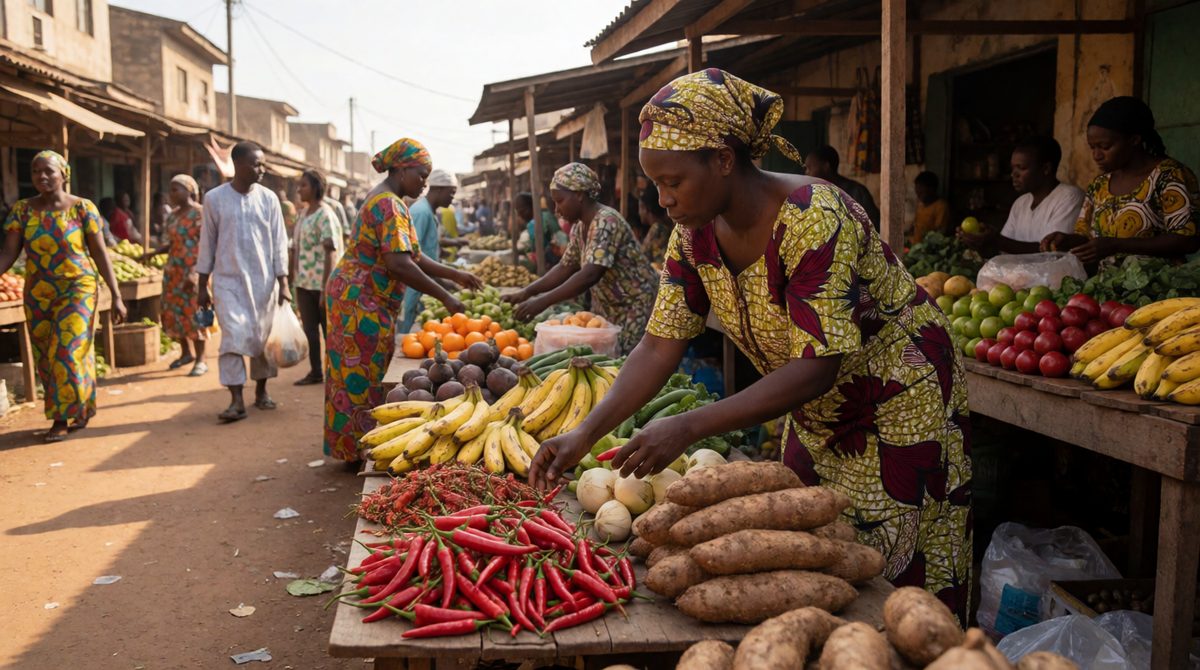
Nigeria is a newly emerging economy in West Africa
Your exam asks for a case study of one LIC or NEE. This course uses Nigeria, which is an NEE. This lesson covers where it is, why it is important and the wider context it sits in. Later lessons cover its industry, trade and quality of life.
Key terms:
Nigeria is in West Africa. It sits just north of the equator, on the coast of the Gulf of Guinea, which is part of the Atlantic Ocean. It shares borders with four countries:
Two big rivers, the Niger and the Benue, meet in the middle of the country and flow south to the coast. The capital is Abuja, in the centre of the country. The largest city is Lagos, on the coast in the south west. Abuja became the capital in 1991, so that the government would be in a more central place.
Nigeria is important in Africa (regional importance) for several reasons.
Nigeria has the largest population in Africa, with more than 200 million people. About one in every seven Africans is Nigerian.
It is one of the largest economies in Africa, and it is one of the continent's biggest oil producers.
Nigeria is a leading member of ECOWAS and the African Union. It has sent peacekeeping troops to help end conflicts in West Africa.
Nigerian music and films spread across the continent. The film industry is nicknamed Nollywood and is one of the biggest in the world by number of films made.
Nigeria matters globally too (global importance).
Nigeria's large young population is both an opportunity (many workers and customers) and a challenge (many jobs and services are needed).
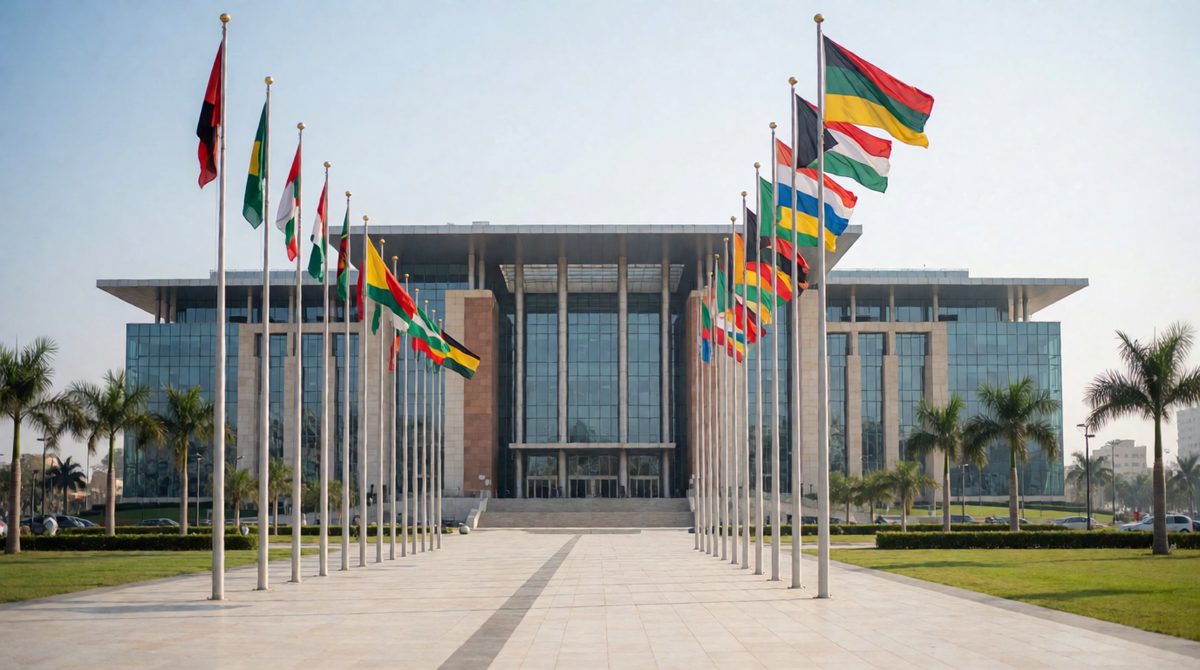
A stable government helps attract investment and trade
Nigeria was a British colony. It became independent on 1 October 1960. The borders drawn by the British put many different peoples into one country, which has caused tension ever since.
Nigeria is home to more than 250 ethnic groups. The three largest are:
Over 500 languages are spoken. English is the official language, so people from different groups can talk to each other. Most people in the north are Muslim and most in the south are Christian. Religion and ethnic identity can unite people, but they can also lead to disagreements over land, jobs and power.
Nigeria is a young country. Many people are under 30, and many live in cities such as Lagos, while others live in villages and farm. Music, dance, food and festivals are an important part of life.
Nigeria's environment changes from south to north.
Hot and wet, with mangrove swamps and rainforest. The Niger Delta is where the River Niger reaches the sea.
Savanna grassland with a wet and a dry season. Farming is common here.
Hotter and drier, close to the edge of the Sahara. Droughts and desertification are a problem.
There are also environmental pressures:
Writing "Nigeria is poor" is too vague. Name the facts: largest population in Africa, an OPEC member, an NEE. Also, do not mix up Nigeria's capital (Abuja) with its largest city (Lagos).
Using a case study of an NEE you have studied, explain the importance of the country regionally and globally. [4 marks]
Nigeria is the most populated country in Africa, with over 200 million people, so it is a very large market for the region (1). It is also a leading member of ECOWAS and has sent peacekeeping troops to help in West Africa (1). Globally, it has been a member of OPEC since 1971 and sells oil to countries around the world (1). It also has a voice in world decisions as a member of the United Nations, and its film industry, Nollywood, is among the biggest in the world (1).
For a "regionally and globally" question, use two clear paragraphs or sentences: one with Africa facts and one with world facts. Use the words "regionally" and "globally" to show the marker you answered both parts.