🌾 Social well-being
Food gives people the energy and nutrients they need to grow, stay healthy and fight illness. A child who eats well is more able to concentrate at school. A child who goes hungry is more likely to be ill and to miss lessons.
Sign up to access the complete lesson and track your progress!
Unlock This Course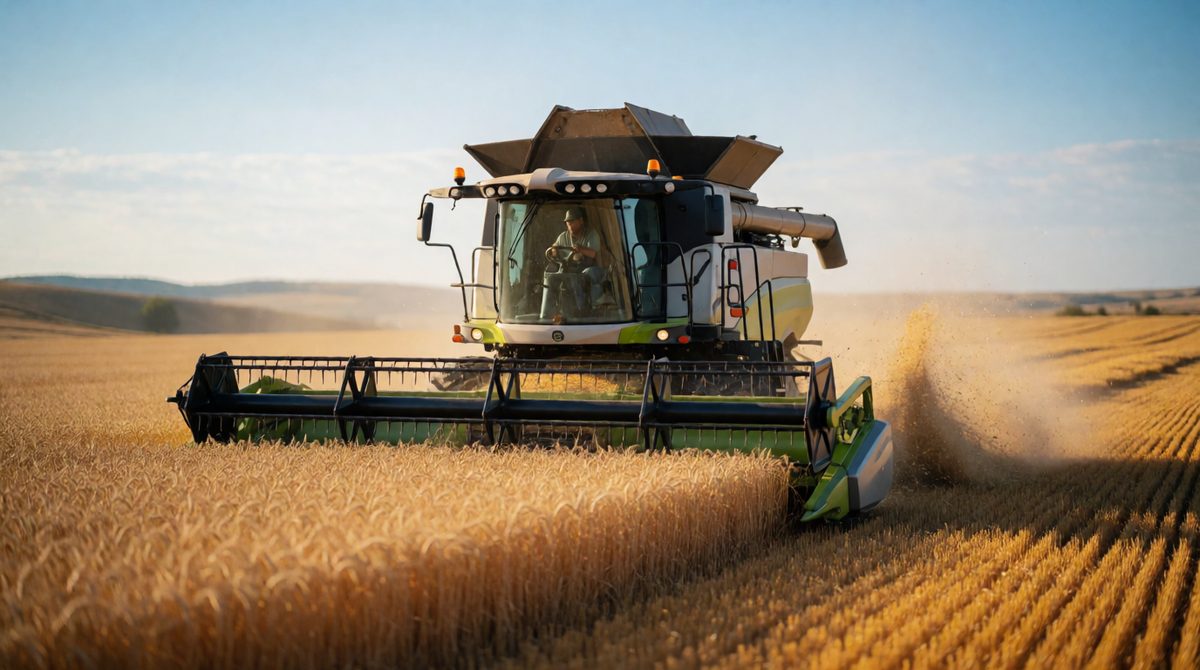
Food, water and energy are vital resources for human development
A resource is something in the environment that people can use to meet their needs. Three resources matter more than any others: food, water and energy. The spec says they are fundamental to human development. That means a country cannot improve people's lives without them.
Think about an ordinary day. You drink water, eat breakfast, switch on a light, charge a phone and travel to school. Every one of those steps depends on food, water or energy. Take any of them away and daily life becomes much harder.
Key terms:
Food gives people the energy and nutrients they need to grow, stay healthy and fight illness. A child who eats well is more able to concentrate at school. A child who goes hungry is more likely to be ill and to miss lessons.
Healthy, well-fed adults can work and earn money. Farming also gives people jobs and income, and food can be sold to other countries as exports. In many poorer countries a large share of people work in farming.
People need clean water to drink, cook and wash. Dirty water spreads disease. When there is no clean supply close to home, people (often children) spend hours collecting water instead of going to school.
Water is needed to grow crops and keep animals. Factories use it to make goods and to cool machines. Without a reliable supply, farms and businesses cannot produce as much, and less money is earned.
Energy powers homes, industry and transport
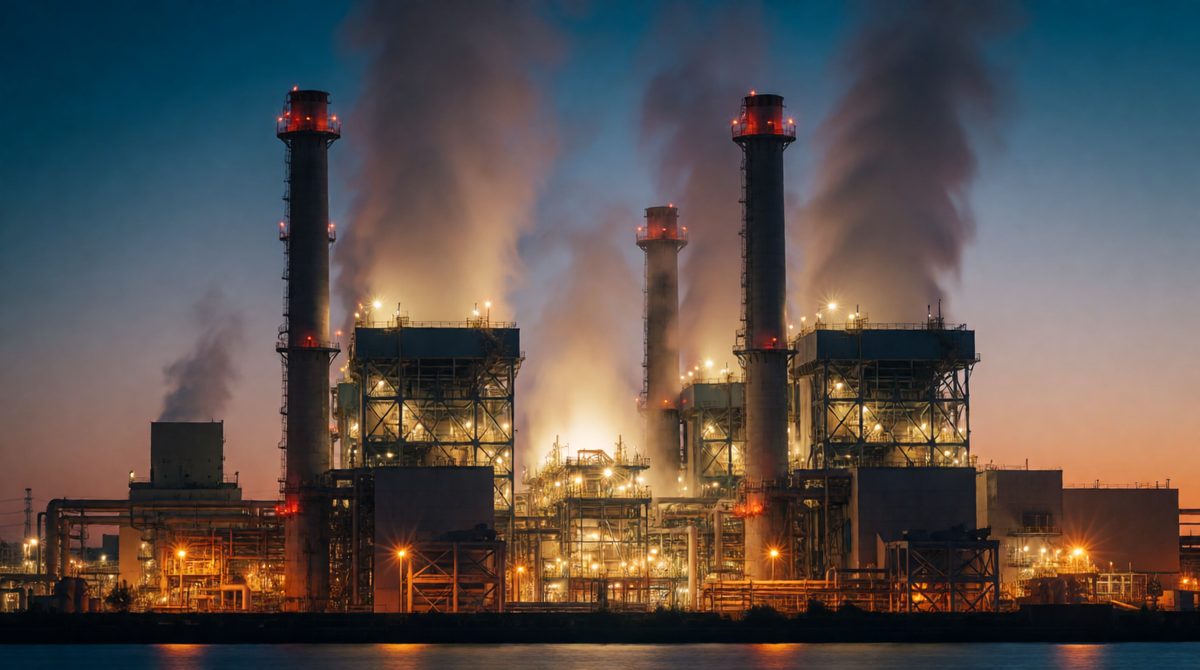
Energy powers homes, schools and hospitals. It gives light to study by, heat for warmth and power for machines that save lives. It also makes it possible to cook food and keep it safe in a fridge.
Factories, shops, offices and transport all run on energy. A country with plenty of reliable energy can build industry, create jobs and trade. A country with power cuts loses working time and money.
Food, water and energy depend on each other. Farms need water and energy to grow and transport food. Pumping and cleaning water needs energy. So a shortage of one resource can cause a shortage of another.
Resources are not shared out evenly across the world. This is a global inequality. There are two parts to it: how much of a resource a place has (supply) and how much people there actually use (consumption).
Natural reasons and human reasons both play a part.
Notice that the amount of a resource a place has does not always match the amount people use. A rich country can consume much more than it produces by buying resources from elsewhere.
Two made-up countries. Country X has plenty of rainfall and rich farmland, and its people can afford imported fuel. Country Y is dry, has poor soil and little money. People in Country X can easily be well fed, have clean water and use lots of energy. In Country Y, harvests fail in dry years, water is scarce and few homes have electricity. This is how supply and wealth together create an inequality in well-being.
Students often write that "poor countries have no resources". Many poorer countries have lots of resources, such as oil or fertile land, but cannot afford to develop them or share them fairly. Another mistake is to describe only supply. Always say what people actually use too.
(a) State two ways that a reliable supply of energy helps social well-being. [2 marks]
(b) Explain why some countries have a poorer supply of clean water than others. [4 marks]
(a) It gives light, heat and power to homes (1). It powers schools and hospitals so people can learn and be treated (1).
(b) Some countries are very dry with little rainfall or few rivers, so there is less water to use (1). Poorer countries often cannot afford wells, pipes or treatment plants (1), so even when water exists it may not be clean or reach people (1). Pollution or a large population sharing a small supply can also reduce the water available to each person (1).
For a four mark "explain" question, make four separate points, and join each to its cause using "because" or "so".