🏭 Sources of pollution
Sewage, chemicals from factories, fertilisers and pesticides washed off farmland, and oil and rubbish washed off roads can all end up in rivers and groundwater (water stored underground).
Sign up to access the complete lesson and track your progress!
Unlock This Course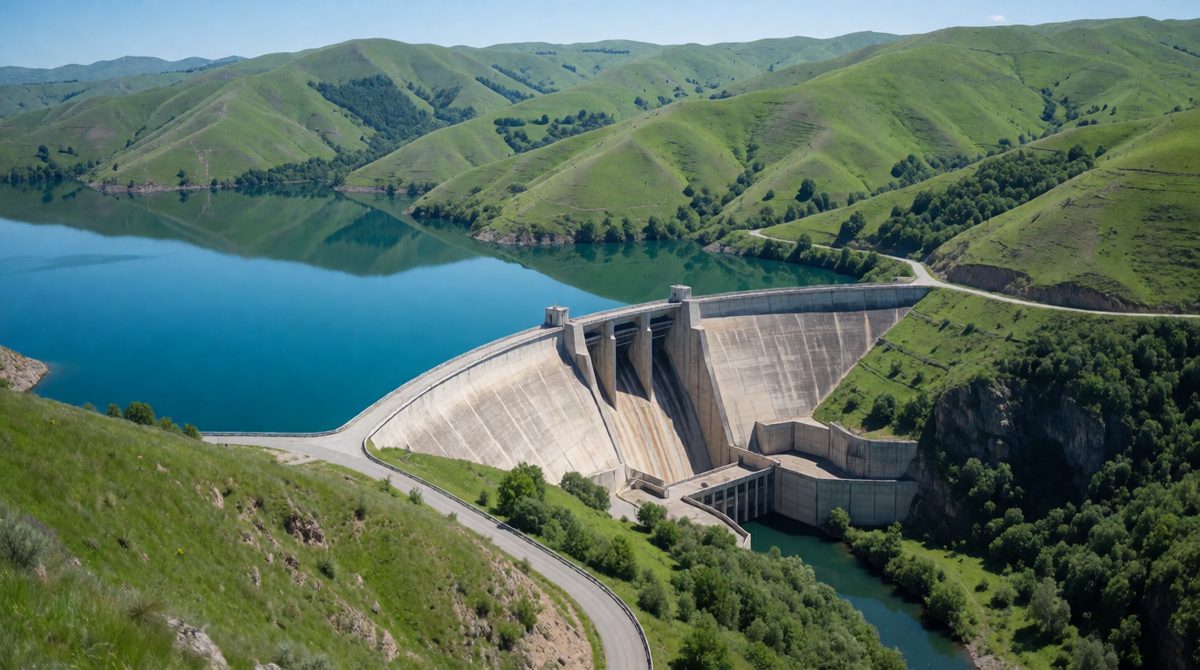
Reservoirs store water to supply homes, farms and industry
The UK is a wet country, but we still use a huge amount of water. Water is needed for drinking, washing, cooking, flushing toilets, farming and industry. Total demand for water has changed over time, and over the long term it has gone up.
Demand can rise further in hot, dry summers, when people use more water just as supply is lower.
Key terms:
Water must be clean enough to drink and to keep rivers and wildlife healthy. In the UK, water quality is protected in two main ways: stopping pollution getting into water, and cleaning water before it reaches our taps.
Sewage, chemicals from factories, fertilisers and pesticides washed off farmland, and oil and rubbish washed off roads can all end up in rivers and groundwater (water stored underground).
Sewage is treated before it is released. Farmers are given rules on how much fertiliser they can use. Agencies such as the Environment Agency test river water, set limits and can fine polluters.
Water taken from rivers and reservoirs is also treated at a water treatment works. It is filtered and disinfected before it is piped to homes.
Key terms:
Rain does not fall evenly across the UK. The west and north of the UK, such as Wales, north west England and Scotland, are mountainous and wet. These areas have a lot of rain but fewer people. They have a water surplus.
The south east and East Anglia are much drier and have a very large population, especially around London. Demand is high but rainfall is lower. They have a water deficit.
Because the wettest places are often far from the biggest cities, water has to be moved. A water transfer takes water from an area of surplus to an area of deficit, using pipes, canals, aqueducts or rivers. This maintains supplies for the people who need it.
Transfers cost money to build and run, and take a lot of energy to pump the water. Even so, they are one way to make sure supply matches demand.
Do not say the UK has no water problems because it rains a lot. The problem is where the rain falls and where the people are. Also, a deficit does not mean there is no water at all, just less than is needed.
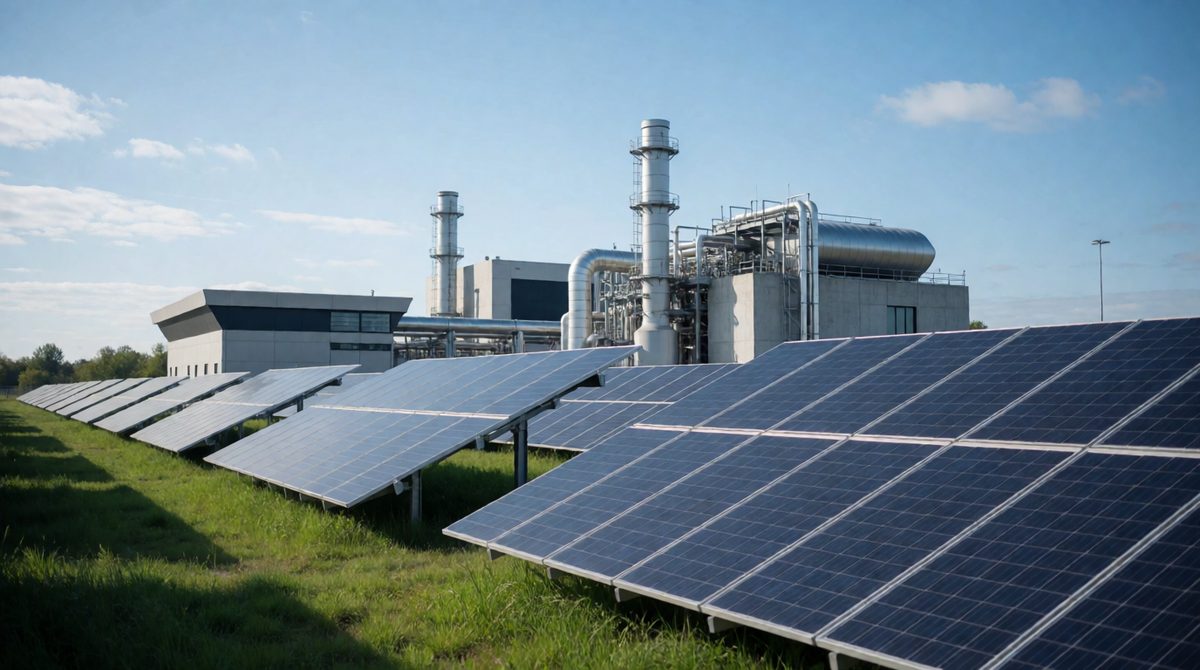
The UK's energy mix has moved away from coal towards gas and renewables
The energy mix is the range of sources a country uses to produce its energy, for example coal, oil, gas, nuclear and renewables. The UK energy mix has changed a great deal.
Key terms:
For many years the UK had its own coal, gas and oil. Now these supplies have fallen.
As a result, the UK now has to import a large share of its gas and oil. That makes the country depend on other countries and on world prices. This is one reason why growing our own renewable energy is seen as important.
Every energy source has good and bad points.
Fossil fuels provide jobs and reliable energy, but they are costly to import when home supplies run low. Renewables cost a lot to build, but have no fuel costs and create new jobs.
Burning fossil fuels releases carbon dioxide, which adds to climate change. Mining and drilling can damage land and sea. Renewables give off almost no carbon dioxide while running, but wind turbines can spoil views and affect birds.
Another problem is that wind and solar only work when the wind blows or the sun shines, so there still need to be back-up supplies.
Do not say renewables have no environmental impact at all. They do, just a smaller one. Do not say coal is still the main source of UK electricity. It has fallen a lot.
(a) Explain why water has to be transferred from one part of the UK to another. [2 marks]
(b) Suggest one economic and one environmental issue of using fossil fuels as an energy source. [4 marks]
(a) Some areas, such as Wales and the north west, have a water surplus because they have high rainfall and few people (1). Other areas, such as the south east, have a water deficit because of low rainfall and high demand, so water is moved to match supply and demand (1).
(b) Economic: fossil fuels give reliable energy and jobs (1), but as UK supplies run out they must be imported, which can be costly (1). Environmental: burning fossil fuels releases carbon dioxide (1), which increases the greenhouse effect and climate change (1).
In part (b), label the economic issue and the environmental issue clearly and give a reason for each, so you can earn both marks for each issue.