🌾 Surplus (food security)
North America, Europe and Australia have a high calorie intake and a plentiful food supply. Many people here eat more than they need.
Note: AQA students study only ONE of the optional resource topics: food, water or energy. This lesson is for those who study food.
Sign up to access the complete lesson and track your progress!
Unlock This Course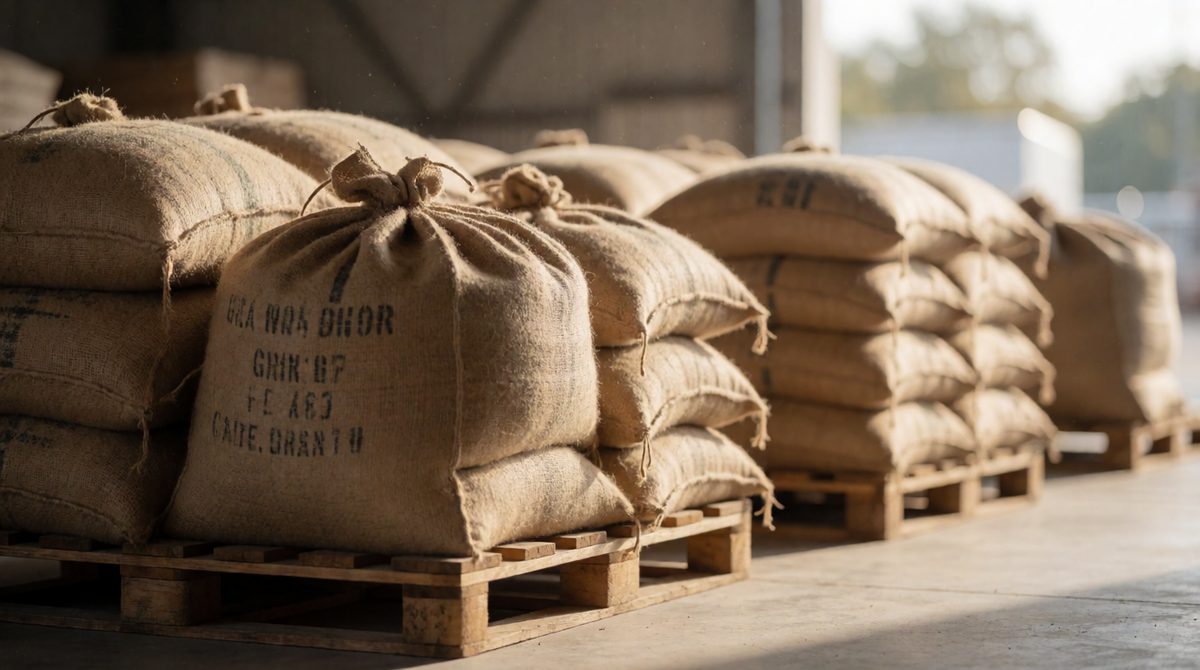
Some countries have a food deficit, while others have a surplus
Everyone needs food to stay alive and healthy. The problem is that food is not shared out evenly around the world. Some places grow or buy more than they need. Others cannot get enough.
An area with a food surplus has more food than its people need. We say it has food security, because people can rely on having enough to eat. An area with a food deficit has less food than its people need. We say it has food insecurity, because supplies cannot be relied on.
Key terms:
A calorie is a unit of energy. An adult needs roughly 2,000 to 2,500 calories a day, depending on age, size and how active they are. A map of average calorie intake per person shows a clear pattern.
North America, Europe and Australia have a high calorie intake and a plentiful food supply. Many people here eat more than they need.
Parts of sub-Saharan Africa and parts of South Asia have a low calorie intake. Food supply here is often too small for the number of people.
Remember, this is an average. Even in a country with a surplus some people go hungry, and in a country with a deficit some people eat very well.
The world needs more and more food every year. Two main reasons explain this.
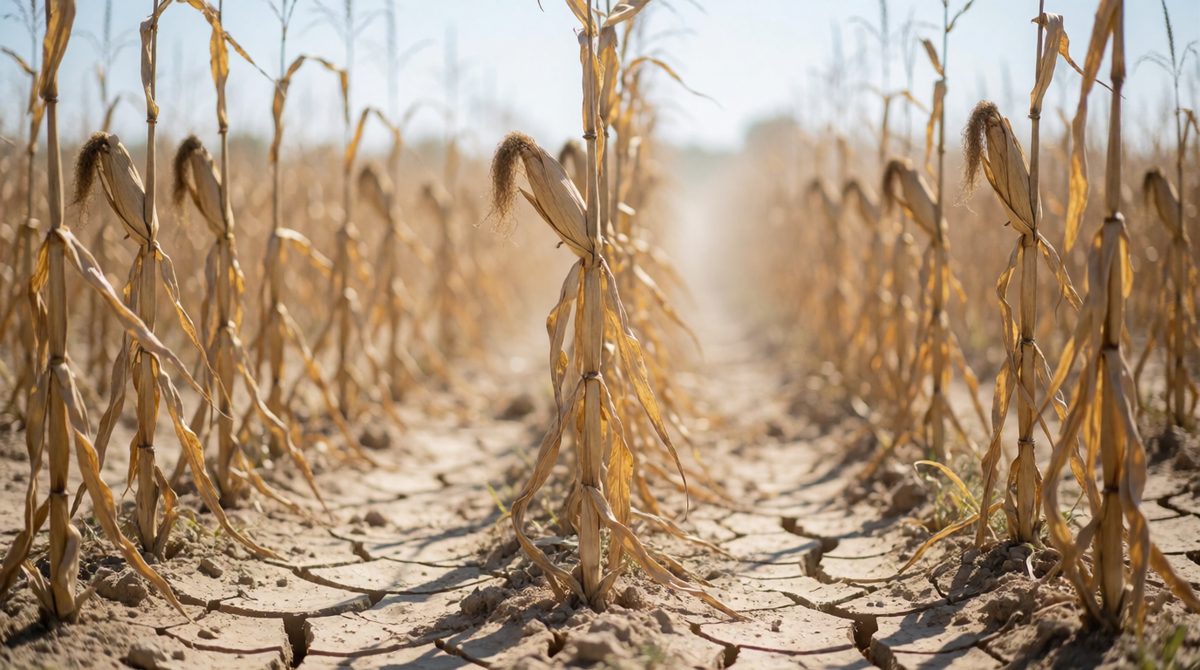
Drought and climate can badly cut food supply
Supply can be reduced, or made unreliable, by several factors.
Crops need the right temperature and rainfall. Droughts, floods and storms can destroy a harvest. Climate is a major reason why some areas grow more food than others.
Machinery, fertilisers and better seeds raise yields. Farmers without them grow much less from the same land.
Insects, fungi and animal diseases can wipe out crops and livestock before they are eaten.
When there is not enough water for crops, harvests fail. Farming depends on a reliable water supply.
War forces farmers to leave their land. Fields, roads and stores are damaged, and food cannot be moved safely.
Poor farmers cannot afford seeds, tools or fertiliser. Poor families cannot afford to buy enough food even when it is on sale.
A farming area has a long drought (climate and water stress). The harvest fails. Families have little money (poverty), so they cannot buy food from elsewhere. If roads are unsafe because of fighting (conflict), aid cannot arrive. One factor often leads to another.
When food supply is not enough, people and places suffer in several ways.
Writing that food insecurity only happens in poor countries. Rich countries can have areas of food insecurity too. Another mistake is to say that a food deficit is always caused by a lack of food in the world. The world can grow enough food. The problem is often that it is not shared out evenly, or that people cannot afford it.
(a) Give two factors that can reduce food supply. [2 marks]
(b) Explain why the demand for food is rising globally. [4 marks]
(c) Explain how food insecurity can lead to social unrest. [3 marks]
(a) Any two of: climate, such as drought (1); pests and disease (1); conflict (1); poverty (1); water stress (1); lack of technology (1).
(b) The population is rising, so there are more people to feed (1). Economic development means people can afford more food (1) and more meat and dairy products (1). These need more crops and land to produce, so total demand rises further (1).
(c) Food insecurity means people cannot get enough to eat (1). Food prices rise as supply falls, so people cannot afford it (1). Hungry people may protest or riot, which is social unrest (1).
In 'explain' questions, link your points with a word such as 'so' or 'because'. In (b), name both reasons, then say what each one does to demand.