💧 Water surplus
Large areas of Canada, Russia, northern Europe and the Amazon basin in South America have plenty of water. These places have high rainfall, large rivers or fewer people to share the water.
AQA students study one of food, water or energy in the Challenge of Resource Management. This lesson starts the water option. If your class studies food or energy instead, you can skip the water lessons.
Sign up to access the complete lesson and track your progress!
Unlock This Course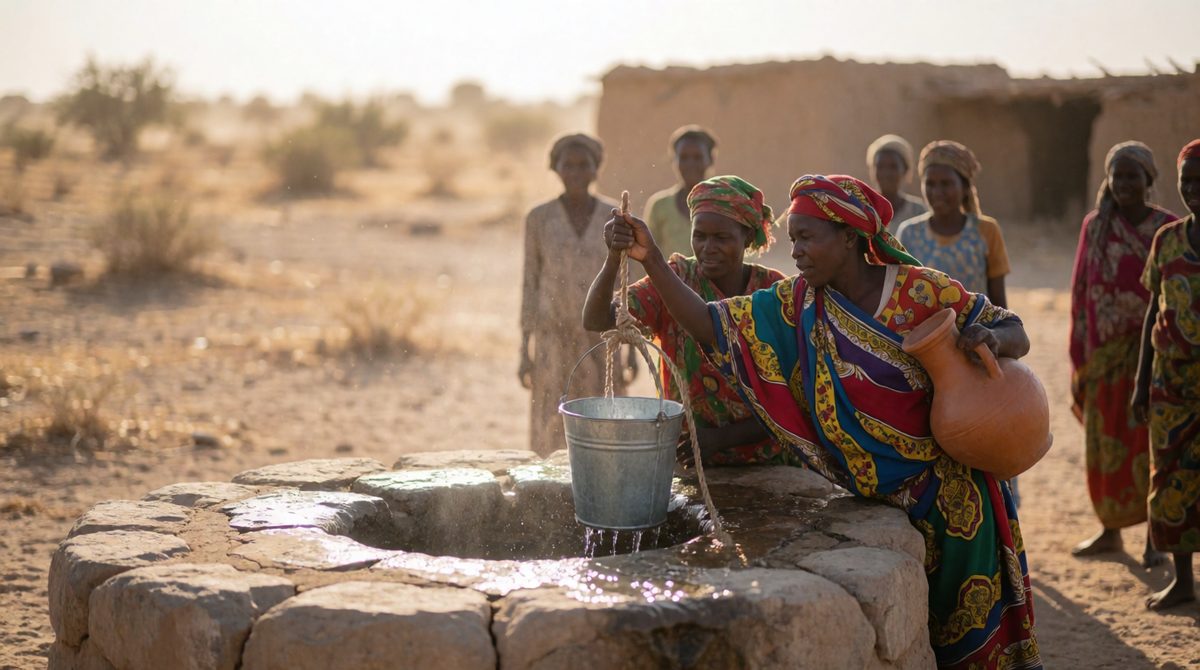
Water insecurity means people do not have enough clean water
Demand for water is rising all over the world, but supply can be unreliable. When that happens, the result can be conflict. This lesson looks at why.
Key terms:
Remember, a surplus means more water than people need, and a deficit means less. Water is not shared out evenly. Some places have plenty and others are always short.
If you looked at a world map of water, you would see a clear pattern.
Large areas of Canada, Russia, northern Europe and the Amazon basin in South America have plenty of water. These places have high rainfall, large rivers or fewer people to share the water.
North Africa, the Middle East, Central Asia and parts of Australia are short of water. Many have dry climates and large populations. Parts of India and northern China are also short.
Notice that surplus and deficit do not simply follow wealth. A rich country in a dry area can still be short of water, and a poor country in a wet area can still struggle to get clean water to its people.
The spec gives two main reasons.
As a country becomes wealthier, more people have indoor taps, showers and washing machines. Factories and farms grow too, and they use huge amounts of water.
More people means more water for drinking, cooking, washing and growing food. The world's population is still growing, so total demand goes up every year.
A town has 100,000 people and each person uses 150 litres a day. Daily demand is 100,000 x 150 = 15,000,000 litres. If the population grows to 120,000 and each person now uses 180 litres, demand is 120,000 x 180 = 21,600,000 litres. Demand has risen by 6,600,000 litres a day. Both more people and more use per person push demand up.
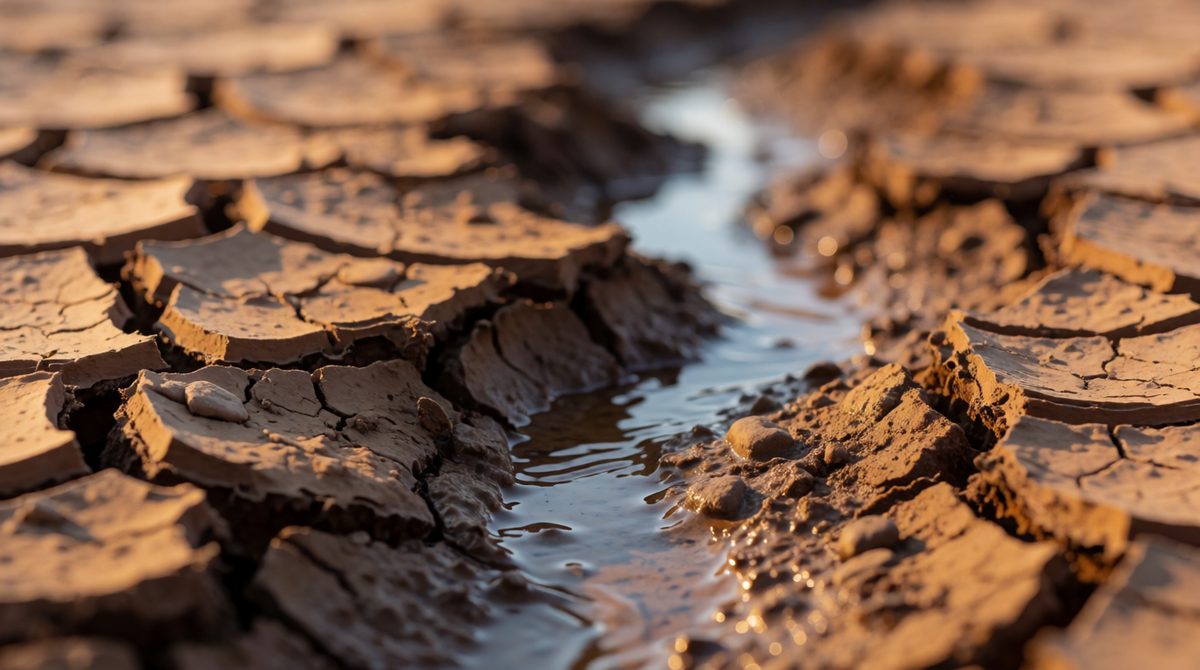
Climate and geology affect how much water is available
Having water on a map is not the same as being able to use it. Six factors affect how much is available.
Do not say that "a dry country has no water". Some dry countries have rivers or aquifers. Also do not write only that "poverty causes insecurity". Say how it works, for example that it stops a country building pipes and treatment works.
People without clean water may drink from rivers or ponds that carry germs. Waterborne diseases such as cholera, typhoid and dysentery spread this way. Around 2 billion people in the world still lack safe drinking water at home. Polluted water also harms wildlife.
Farming uses more water than any other human activity. If crops cannot be watered, harvests fail and food becomes scarce and expensive.
Factories use water for cooling, cleaning and making products. If water runs short, production slows or stops, jobs are lost and the economy suffers.
Where demand is greater than supply, countries and communities may argue over who gets the water. The risk is bigger when a river flows through several countries. The River Nile, for example, flows through many countries, and Egypt and Ethiopia have disagreed over Ethiopia's large dam on the Blue Nile. Egypt relies on the Nile for most of its water, so it worries that less will reach it.
(a) Give two reasons why demand for water is increasing around the world. [2 marks]
(b) Explain how pollution and limited infrastructure can cause water insecurity. [4 marks]
(a) Population is rising, so more people need water to drink, wash and grow food (1). Economic development means more people have taps and appliances and industries use more water (1).
(b) Pollution from sewage, factories or farms makes water unsafe to drink (1), so it cannot be used and less clean water is available (1). Limited infrastructure means there are no pipes or treatment works to clean the water and carry it to homes (1), so even if water is nearby, people cannot get safe water and may have to use unsafe sources (1).
For a four mark "explain" question, make two points and develop each with a "so" or "because" link. The developed second sentence in each pair earns the extra mark.