🏠 At home
Taking a shower instead of a bath, turning off the tap while brushing teeth, fixing leaking taps and fitting a dual-flush toilet all cut water use.
Sign up to access the complete lesson and track your progress!
Unlock This Course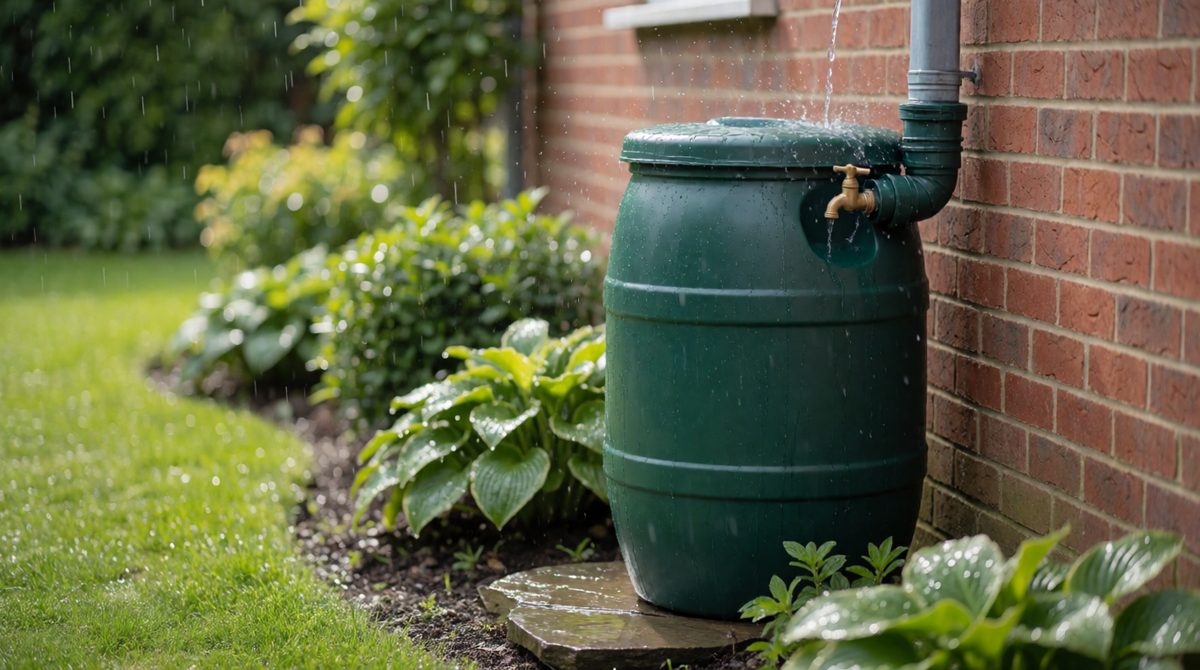
Collecting rainwater is a simple way to save water
Big projects such as dams and water transfers can add a lot of water, but they are expensive and can harm the environment. A more sustainable approach looks after water so that people today can use it without running it out for people in the future.
Sustainable water supply is about two things: using less water, and making better use of the water we already have. The spec names four ideas: water conservation, groundwater management, recycling and grey water.
Key terms:
Conservation means every person, farm and factory uses less. It is often the cheapest way to make water supplies last longer, because no new water has to be found.
Taking a shower instead of a bath, turning off the tap while brushing teeth, fixing leaking taps and fitting a dual-flush toilet all cut water use.
Farms use huge amounts of water. Watering crops slowly at the roots, rather than spraying the whole field, means far less water is lost to evaporation.
Conservation also means stopping leaks in pipes. In some places a lot of water is lost underground before it ever reaches a tap. Repairing old pipes saves water at no cost to the environment.
Conservation works best when people understand why it matters. That is why schemes often include education about saving water.
Groundwater is a valuable store, but it can be used faster than it refills. Groundwater management tries to keep the store healthy. It can include:
If groundwater is managed well, wells and springs keep working and the supply lasts for the long term.
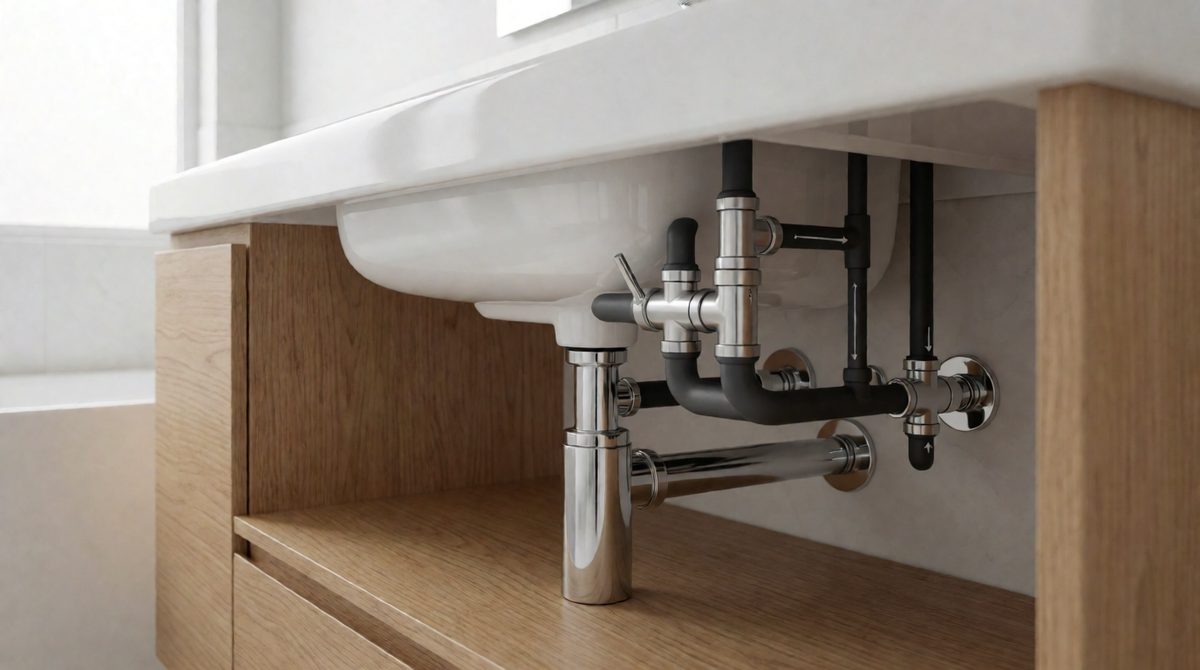
Grey water from baths and sinks can be reused to flush toilets
Most water is used once and then thrown away. Recycling gives it a second life.
Waste water is collected, cleaned and used again. Factories can reuse the water from their own processes. Some cities treat waste water so well that it can be used again for industry or for watering parks.
Water from a washing machine or shower does not need to be as clean as drinking water. It can be used to flush toilets or water the garden. This means drinking-quality water is not wasted on jobs that do not need it.
A shower uses clean water and then produces grey water. If that grey water flushes the toilet, one lot of water does two jobs. The house needs less water from the tap, and less leaves as waste.
India is a newly emerging economy (NEE). Rajasthan is a state in the north west of India, and it is one of the driest parts of the country. The Wakel River Basin is in the south of Rajasthan.
An NGO worked with local communities, with money from the US government's aid agency (USAID). The aim was to harvest the monsoon rain and use it carefully. The scheme used traditional methods:
Underground tanks that collect rain from rooftops. Being underground, the water is kept cool and does not evaporate. A tank can hold about 20,000 litres.
Small earth dams that hold back the monsoon rain. The water soaks into the ground and recharges the groundwater, so wells fill again.
Irrigation channels that carry the water collected by johads to the fields, so crops can be watered.
Local people were taught about saving and managing water, and they helped to decide how it should be shared.
Compare this with a large scheme: it is small, local and low technology. It does not give huge amounts of water, but it is cheap and long lasting.
Students often say that taankas and johads are the same thing. A taanka stores water from roofs underground, whereas a johad is a small dam that helps water soak into the ground. Another mistake is to write that "recycling" means "grey water". Grey water is one kind of used water, and recycling is the process of using water again.
(a) What is meant by grey water? [1 mark]
(b) Explain one way groundwater can be managed more sustainably. [2 marks]
(c) For a named local scheme in an LIC or NEE, explain how it has increased sustainable water supplies. [4 marks]
(a) Waste water from baths, showers, sinks and washing machines, which can be reused for jobs like flushing toilets (1).
(b) Limit the amount that farms and industries can take from wells (1), so groundwater is not used faster than it refills and the supply lasts (1).
(c) In the Wakel River Basin, Rajasthan, taankas collect rooftop rainwater underground (1), so it does not evaporate in the heat (1). Johads are small dams that hold monsoon rain and let it soak in (1), which recharges groundwater and refills wells (1).
In part (c), name the place and at least two features of the scheme, and explain what each one does. Naming the place alone will not get the marks.