Energy security and insecurity
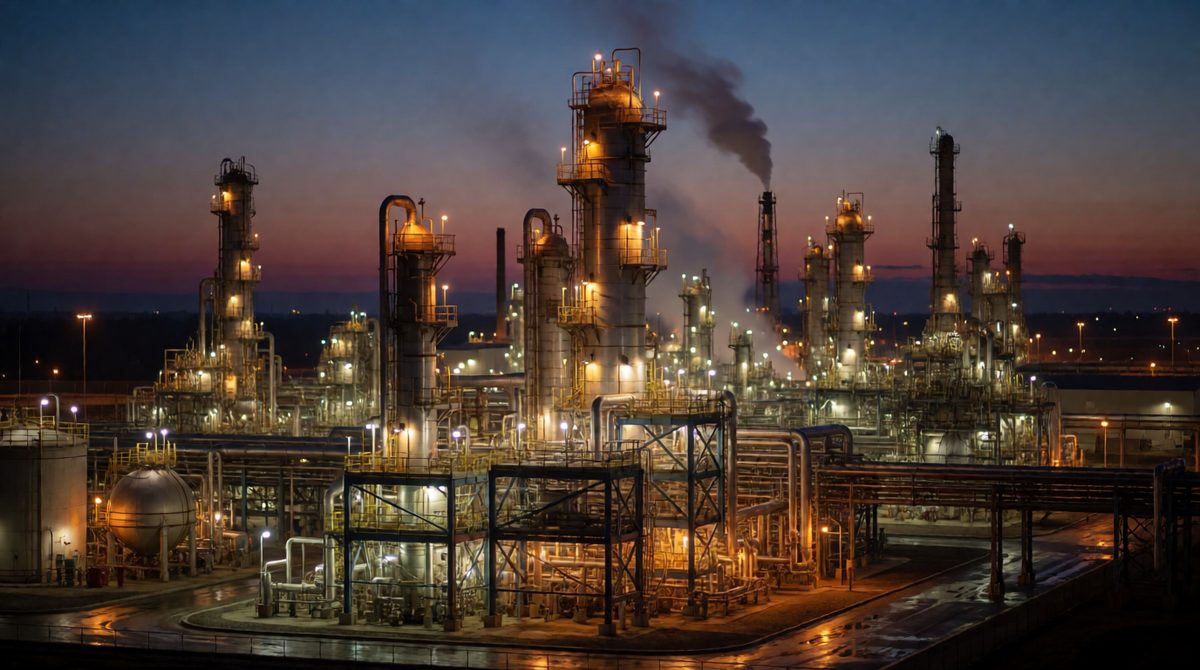
Many countries rely on fossil fuels for their energy security
Almost everything we do needs energy: lighting homes, running factories, moving cars and trains, and charging phones. Demand for energy resources is rising across the world, but supply can be insecure. When supply is not reliable, it can lead to conflict.
Key terms:
- Energy consumption: the amount of energy used by a country or by people.
- Energy supply: the amount of energy that is available to use.
- Energy security: having a reliable supply of energy at an affordable price. Areas of energy surplus are usually secure.
- Energy insecurity: not having enough reliable, affordable energy to meet demand. Areas of energy deficit are usually insecure.
- Energy surplus: more energy is available than is needed.
- Energy deficit: not enough energy is available to meet demand.
Global distribution of energy consumption and supply
Energy use is very uneven. Consumption and supply are not the same thing, so keep them apart.
💡 Consumption
The highest use per person is in rich countries such as the USA and Canada, and in some oil-producing countries in the Middle East. Many countries in sub-Saharan Africa use very little per person. China uses the most energy of any country in total because it has so many people and so much industry.
⛽ Supply
Energy resources are not spread evenly. Some countries have large resources, for example the Middle East with its huge oil reserves and Russia with its gas. Other countries have very few and must buy energy from abroad.
Areas of deficit, where energy is short, include much of Europe, Japan and South Korea, which import a lot of their energy, and many poorer parts of sub-Saharan Africa where supply is poor. A country can use a lot of energy and still be secure if it has plenty of supply of its own or can reliably afford to buy it. A country with little supply and little money to buy more is energy insecure. Countries with a surplus can sell energy to countries with a deficit. This is why energy travels around the world by pipeline, ship and power cable.
Why is energy consumption increasing?
Three main reasons explain why global energy consumption keeps rising.
🏭 Economic development
As countries develop, they build factories, roads and cities. More people can afford cars, fridges, air conditioning and televisions. Richer people use more energy.
👪 Rising population
More people means more homes to heat and light, more food to produce and more journeys to make. Even if each person used the same amount, the total would rise.
📱 Technology
New devices need power: phones, computers, data centres and electric vehicles. Technology can also make some things more efficient, but overall we have found many more ways to use energy.
Factors affecting energy supply
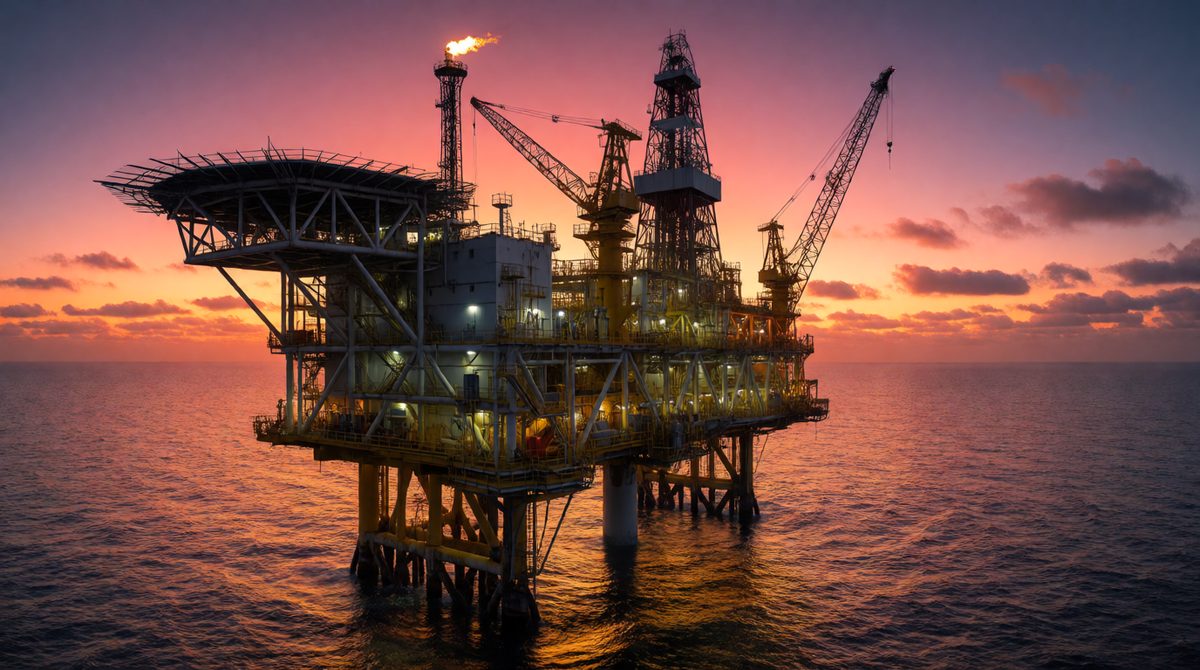
Where fossil fuels are found affects a country's energy supply
Several things decide whether a country can get enough energy.
- Physical factors: where the resources are located. Oil and gas are found only in certain rock structures. Some places have strong winds or lots of sunshine, while others do not. A country with few resources has to import.
- Cost of exploitation and production: some resources are hard to reach, such as oil under deep sea or in remote cold areas. If it costs more to get the energy out than it is worth, it may not be used.
- Technology: better technology can make it possible to reach resources that were once too difficult, or to use them more cheaply. A country without the technology or the money to buy it cannot use its own resources fully.
- Political factors: governments decide who gets energy. Supplies can be cut off by disagreements, wars or sanctions (trade bans placed on a country as a punishment), and pipelines often cross several countries. For example, in 2022 many European countries lost much of their Russian gas supply and had to find other sources quickly.
Common mistakes
Students often write that a country is energy insecure because it uses a lot of energy. That is not enough. Insecurity is about supply not meeting demand. A rich country can use huge amounts of energy and still be secure.
Impacts of energy insecurity
When energy supplies are not secure, there are serious knock-on effects.
⛰ Difficult and sensitive areas
Countries become more willing to explore for energy in difficult and environmentally sensitive areas, such as the deep ocean and the Arctic. This is risky and harder to clean up if something goes wrong. The 2010 Deepwater Horizon oil spill in the Gulf of Mexico shows the damage an accident can do.
💰 Economic and environmental costs
Energy prices rise when supplies are short, so homes and businesses pay more. New energy projects and extra fuel burning can harm the environment, for example through pollution and loss of habitats.
🌾 Food production
Farms use energy for machinery, pumping water, fertilisers and transport. If energy is short or expensive, less food may be grown and food prices rise.
🏭 Industrial output
Factories cannot run without power. Shortages and power cuts reduce production, which can cost jobs and slow down economic growth.
Potential for conflict
Where demand exceeds supply, there is potential for conflict. Countries may argue over who owns oil and gas fields or over pipelines that cross borders. Countries that depend on imports depend on the exporting country, which can raise prices or cut supplies. This makes energy security very important to governments.
Worked example
A country has a growing population and many new factories, but its own oil and gas are running out. It imports 60% of its energy from one neighbour. Explain why this country is energy insecure.
Its demand is rising, its own supply is falling, and it depends on one supplier. If that supplier raises prices or cuts supply, the country cannot meet demand.
Exam-style question
(a) Give two reasons why global energy consumption is increasing. [2 marks]
(b) Explain how political factors can affect energy supply. [3 marks]
(c) Explain why energy insecurity may cause problems for a country's economy. [4 marks]
Model answer
(a) Economic development means people can afford more energy-using goods (1). Rising population means more people need energy (1).
(b) Governments can cut off or restrict supplies in a disagreement (1). Pipelines often cross several countries, so a dispute can stop the flow (1). Wars or sanctions can stop energy being exported or imported (1).
(c) Factories need energy to produce goods, so shortages reduce industrial output (1). Less output can mean fewer jobs and slower economic growth (1). Energy prices rise when supply is short, so businesses and households pay more (1). Farming also needs energy, so food production can fall and food prices can rise (1).
Exam tip
In a 4-mark 'explain' question, aim for two developed points: make a point, then add a 'so' or 'because' to link it to the effect.