🏠 Larger footprint
Leaving lights and TVs on, heating a house to a very high temperature, using a car for short trips and flying often.
Sign up to access the complete lesson and track your progress!
Unlock This Course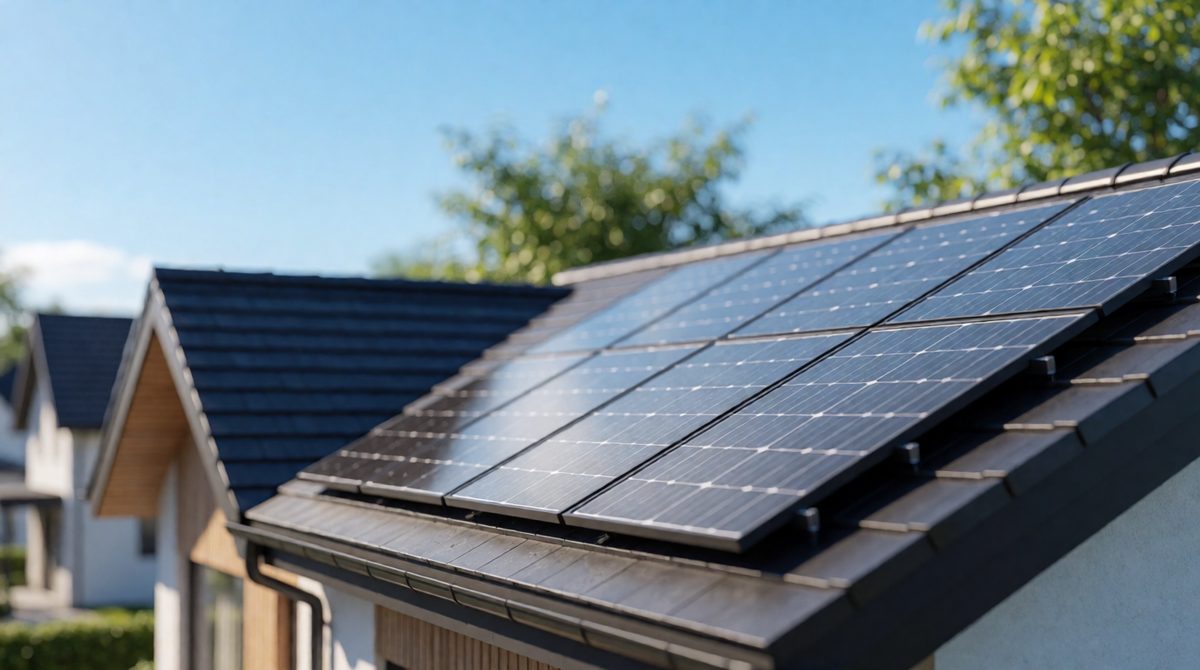
Solar panels help make energy supply more sustainable
Fossil fuels will not last for ever, and burning them adds to climate change. A sustainable energy future means meeting today's energy needs without harming the environment or running out of energy for people in the future.
There are two big ways to get there. We can make energy from renewable sources (you met these in the lesson on increasing energy supply). We can also use less energy, and use it more wisely. This lesson is about using energy wisely, and about one renewable scheme that works at a local scale.
Key terms:
Every one of us uses energy. We use it at home for light, heating and cooking, and we use it to travel. Most of it still comes from burning fossil fuels, which releases carbon dioxide.
Remember, a carbon footprint is the amount of carbon dioxide released by a person's activities. Your individual energy use is a large part of your carbon footprint. The more energy you use from fossil fuels, the bigger your footprint.
Leaving lights and TVs on, heating a house to a very high temperature, using a car for short trips and flying often.
Switching things off, wearing a jumper instead of turning up the heating, walking, cycling or using buses and trains.
Individuals matter because a country's energy demand is the total of millions of people's choices. If many people cut their use a little, demand falls a lot.
Energy conservation means saving energy and cutting waste. The spec lists three places where this can be built into design, plus demand reduction and efficiency.
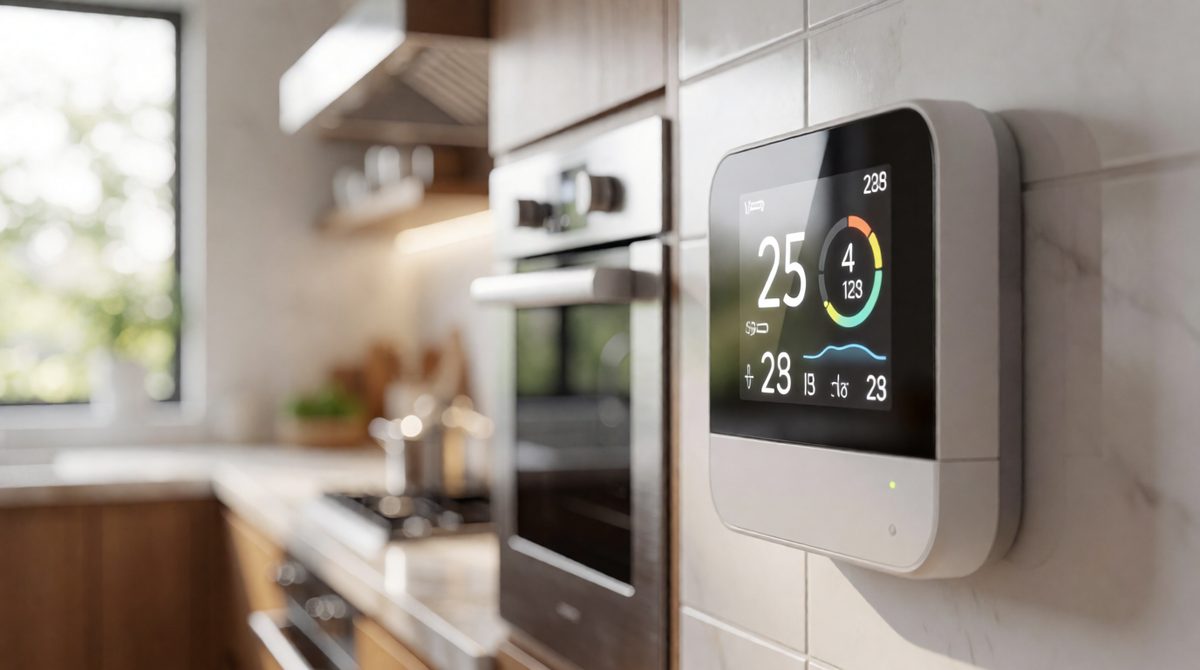
Using energy more efficiently reduces demand
Demand reduction means we need less energy in the first place. Examples are switching things off, turning heating down a little, and buying products that are built to use less energy. It is the cheapest form of "new" energy, because the energy never has to be produced.
Fossil fuels will still be used for some time, so the spec also asks for technology to increase efficiency in the use of fossil fuels. This means wasting less of the energy in each tonne of fuel. For example:
Using fossil fuels more efficiently means the supply lasts longer and less carbon dioxide is released.
Do not write that energy conservation means "making" energy. It means saving it or wasting less. Also, do not say that efficiency stops fossil fuels being used. It makes each unit of fuel go further, but the fuel is still burned.
Peru is a newly emerging economy (NEE), though remote Andean villages such as Chambamontera still have very low incomes. The village of Chambamontera is in the Andes mountains, in northern Peru. It is a remote community, more than two hours by rough track from the nearest town, Jaen. The national grid does not reach it.
There was no electricity. Families used kerosene lamps for light and burned wood for fuel. Collecting wood added to deforestation and soil erosion.
The charity Practical Action helped the community build a micro-hydro scheme. The area has high rainfall, steep land and fast-flowing rivers, so water power suits it well.
The total cost was about US$51,000. Money came from the government, from Japan and from the community itself. Families paid an average of about US$750 each, and credit was available to help them pay.
The scheme is small, local and run by the community, so it can be repaired and kept going by local people. That is why it is a good example of appropriate, sustainable energy for an LIC or NEE.
Question: "Why might a micro-hydro scheme suit a remote Andean village better than a large power station?"
Answer: It uses the village's own fast-flowing river, so no fuel needs to be brought in along rough tracks. It is cheaper to build, can be paid for and run by the community, and does not need a connection to the national grid.
(a) Give two ways a household can reduce its energy use. [2 marks]
(b) Describe how technology can increase the efficiency of fossil fuel use. [2 marks]
(c) Explain how the micro-hydro scheme at Chambamontera, Peru has provided sustainable energy for the local community. [4 marks]
(a) Fit loft insulation or double glazing so less heating is needed (1). Switch off lights and appliances when not in use, or use LED bulbs (1).
(b) Boilers or power stations can be designed to capture more of the heat from burning fuel, so less is wasted (1). Efficient engines make each litre of fuel travel further, so less fuel is burned for the same journey (1).
(c) It uses the river's flowing water, which is renewable, so it will not run out (1). It replaced kerosene and wood, which reduced deforestation and soil erosion (1). Electricity allows lighting for study and refrigeration for medicines (1). It runs machinery such as coffee processing, so businesses can grow and local incomes rise (1).
In part (c), the word "explain" needs a reason as well as a fact. Link each benefit back to the scheme with a word like "so" or "because".