✅ Advantages
It cuts the amount of the harmful product that is bought. It raises money for the government, which can be spent on cleaning up or on health care. Firms have a reason to find cleaner ways to make things, so they pay less tax.
Sign up to access the complete lesson and track your progress!
Unlock This CourseRemember, an external cost is a cost that falls on people who are not buying or selling the product, and an external benefit is a gain that goes to them. When these exist, the free market does not give the best result for society. Firms ignore the costs they push on to others. This lesson is about what a government can do about it. It is examined on Paper 1 (Microeconomics and Business Economics).
The government has five main tools. Four aim to cut external costs, such as pollution. One, the subsidy, is mainly used to increase external benefits, such as vaccination.
Key terms:
You already know what a subsidy is from the lesson on what shifts the supply curve. Here we use it to deal with externalities.
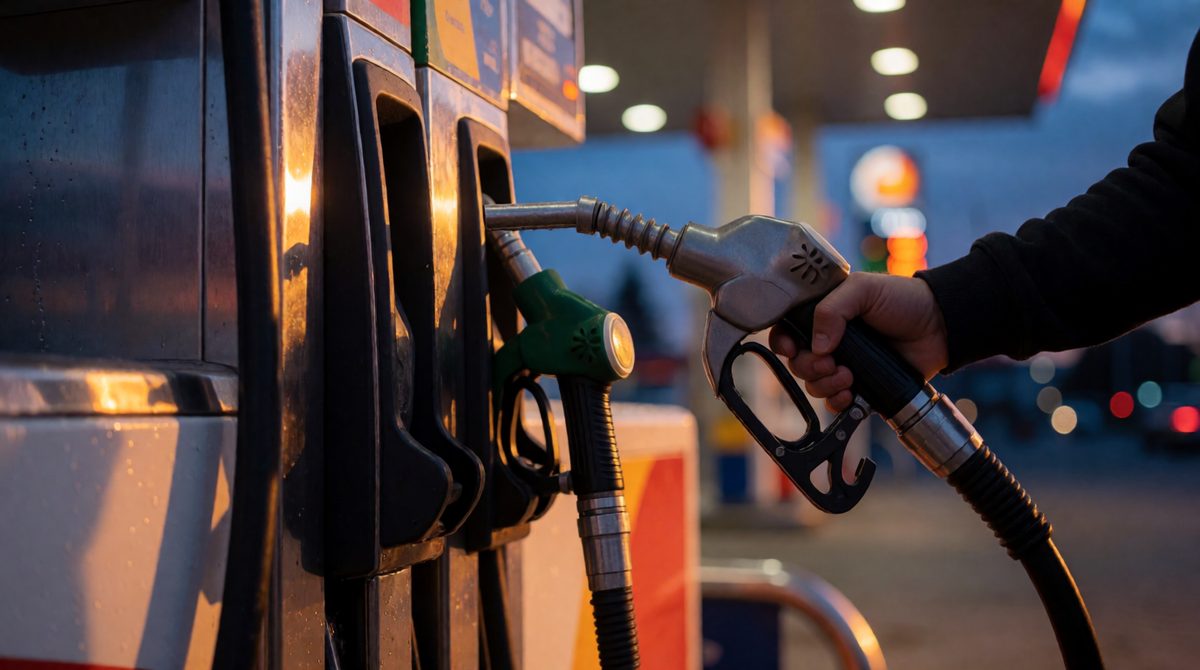
A tax on polluting fuel makes the polluter pay more of the external cost
The government puts a tax on a product that causes external costs, such as plastic bags or fuel. The tax raises the firm's costs, so the supply curve shifts to the left. The price rises and the quantity bought falls. The aim is to make the firm and the consumer pay more of the true cost to society.
It cuts the amount of the harmful product that is bought. It raises money for the government, which can be spent on cleaning up or on health care. Firms have a reason to find cleaner ways to make things, so they pay less tax.
It is hard to set the tax at the right level, because the size of the external cost is hard to measure. If demand is price inelastic, people keep buying and the harm is not reduced much. Firms may pass the tax on to consumers, who are hurt by higher prices.
A subsidy is money the government gives to a firm to lower its costs. It is used when a product has external benefits, such as public transport, which cuts congestion, or solar panels, which cut pollution. The subsidy shifts the supply curve to the right, so the price falls and more is bought. A subsidy can also help a firm to switch to cleaner production.
It makes useful, low-harm products cheaper and so increases how much is used. It can help poorer families to afford them. It can encourage new green technology.
It costs the government money, which comes from taxpayers and has an opportunity cost. It is hard to decide how big the subsidy should be. Firms may become dependent on it, and it can be hard to take away.
Fines punish firms that break the law, such as by dumping waste in a river. The firm has to pay, so breaking the rules becomes costly. Fines also warn other firms not to do the same.
They are a clear punishment that can stop firms from polluting. They raise money for the government. A large fine can hit a firm's reputation as well as its profit.
Firms must be caught first, which needs inspectors and costs money. If the fine is small, a big firm may simply treat it as a cost of doing business. The harm has already happened by the time the fine is paid.
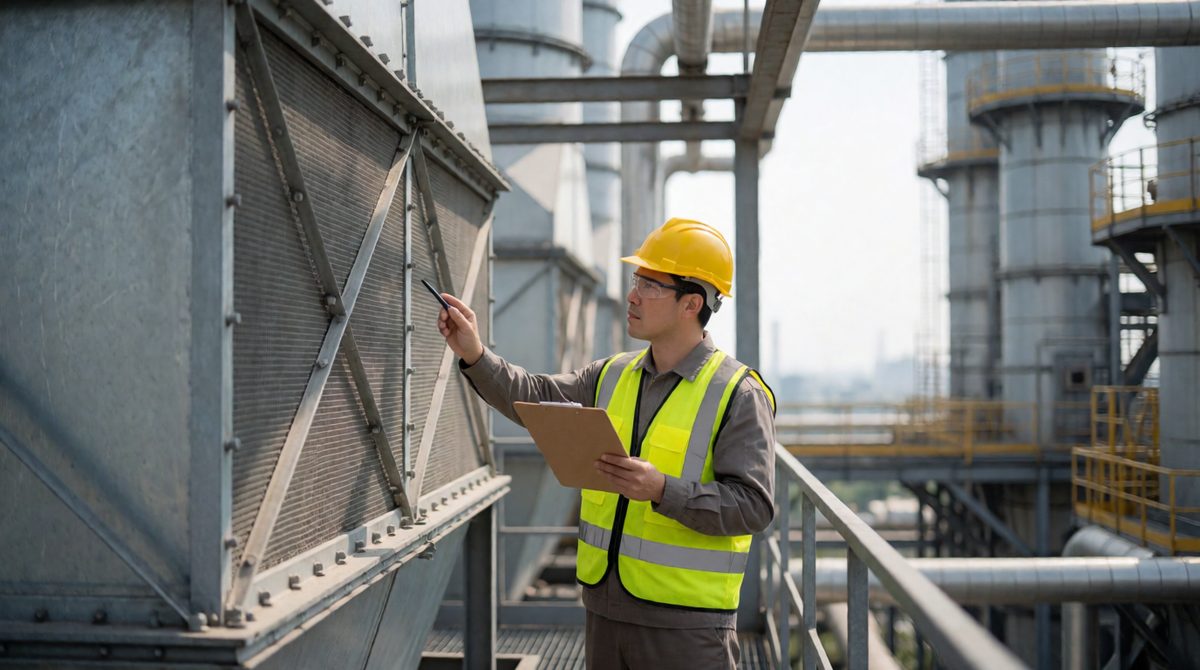
Regulation can set limits, such as how much smoke a factory is allowed to release
Regulation sets rules. For example, the government can ban a harmful chemical, limit the smoke a factory may produce, or make cars meet exhaust standards. Firms that break the rules can be fined or closed.
It can stop a very harmful activity completely, which a tax may not do. The rule is clear and the same for every firm. It gives quick results for serious dangers.
Rules must be checked and enforced, which costs money. Firms must pay to follow them, which can raise prices and may cost jobs. Once a firm meets the rule, it has no reason to cut pollution any further.
The government decides how much pollution is acceptable in total and issues permits up to that limit. Each firm needs a permit for every unit of pollution it releases. In many schemes firms can buy and sell permits to each other. A firm that cuts its pollution can sell its spare permits. A firm that wants to pollute more must buy extra permits, which costs it money.
The total amount of pollution is limited. Firms have a money reason to become cleaner, because spare permits can be sold. The scheme can bring in money if the government sells the permits.
It is hard to decide how many permits to issue. If too many are issued, pollution stays high. Permits must be monitored. Some people feel it lets rich firms pay to pollute.
A government wants to cut pollution from a steelworks. Option 1: a tax on each tonne of steel. The price of steel rises and less is bought, but the government cannot be sure how much pollution will fall. Option 2: a limit of 100,000 pollution permits. Total pollution cannot go above 100,000 units, so the total is fixed. The tax is uncertain about the amount of pollution, while the permits fix the total.
No policy works best in every case. The best choice depends on how serious the harm is, how easy it is to measure and check, how much the policy costs, and whether it hurts jobs or poorer households. A government often uses more than one policy at the same time. For evaluation, look for the likely effects, the costs and who gains or loses. Then give a judgement. For the bigger picture of environmental protection as a government aim, see the lesson on protecting the environment and government controls.
Country K has a large paper mill. The mill's waste pollutes a nearby river and harms fishing families. The government is thinking about a tax on the mill's output or a limit on the amount of waste the mill can release.
(a) Define the term external cost. [2 marks]
(b) Explain one advantage of using a tax to deal with the pollution. [3 marks]
(c) Explain one disadvantage of using regulation to deal with the pollution. [3 marks]
(d) Evaluate whether a tax or regulation is the better way to deal with the pollution. [6 marks]
(a) A cost of production or consumption (1) that falls on a third party who is not buying or selling the product (1).
(b) A tax raises the mill's costs (1), so it has a reason to cut its waste to pay less tax (1), which reduces the harm to the river and fishing families (1).
(c) A rule has to be checked and enforced (1), which needs inspectors and costs the government money (1), so if the checks are weak the mill may break the rule and the pollution continues (1).
(d) A tax makes the mill pay more of the cost it causes (1) and gives it a reason to keep cutting waste, and it raises money to help the fishing families (1). But the right level of tax is hard to set and the mill may just raise its price (1). Regulation can set a clear limit on the waste (1), so it is better for stopping serious harm quickly. But it costs money to check and the mill has no reason to go below the limit (1). Overall, regulation is probably better if the river is in danger, because the limit is certain. A tax may be better in the long run because it keeps firms trying to improve (1).
In an evaluate question, use the case study. Name the mill, the river and the fishing families, then end with a judgement that says which policy you pick and why.