📦 Exports
Higher prices than rivals make goods less attractive abroad, so fewer are sold.
This topic is examined on Paper 2 (Macroeconomics and the Global Economy). You already know how inflation is measured and what causes it. Now we ask: why does it matter? Governments aim for low and stable inflation because high or unpredictable inflation causes problems for households, firms and the whole economy.
Sign up to access the complete lesson and track your progress!
Unlock This Course
If prices rise faster than wages, workers' pay buys less: their real wages fall
The most obvious effect of inflation is on prices. When the general price level rises, each pound buys fewer goods and services. Economists say the purchasing power of money falls. Someone saving cash under the bed finds that it buys less each year. People on fixed incomes, such as some pensioners, are hit hardest because their income does not rise to match prices.
Inflation also affects wages, but you must be careful. A pay rise only helps if it is bigger than inflation.
Key terms:
In Country Veshna, nominal wages rise by 4% in a year. Inflation in the same year is 6%. Prices rose faster than pay, so real wages fell by about 2% (4% minus 6%). Workers are better off in money terms but worse off in what they can buy.
If nominal wages rise by more than inflation, real wages rise. If they rise by less, real wages fall. Workers whose real wages are falling often ask for bigger pay rises. If firms agree, their costs go up, which can push prices up again (see Causes of Inflation and Interest Rates).
Suppose prices rise faster in one country than in its rivals. Its goods become dearer compared with goods from abroad. Foreign buyers switch to cheaper rivals, so the country's exports fall. At home, people may also buy cheaper imports instead.
Falling sales can lead firms to cut output and workers. This is one way inflation can raise unemployment. Inflation can also lead to unemployment if the central bank raises interest rates to bring it down, because higher borrowing costs reduce spending and firms may cut staff. How governments weigh inflation against other objectives is covered in Trade-Offs Between Objectives.
Higher prices than rivals make goods less attractive abroad, so fewer are sold.
Lower sales and higher interest rates can lead firms to cut jobs.
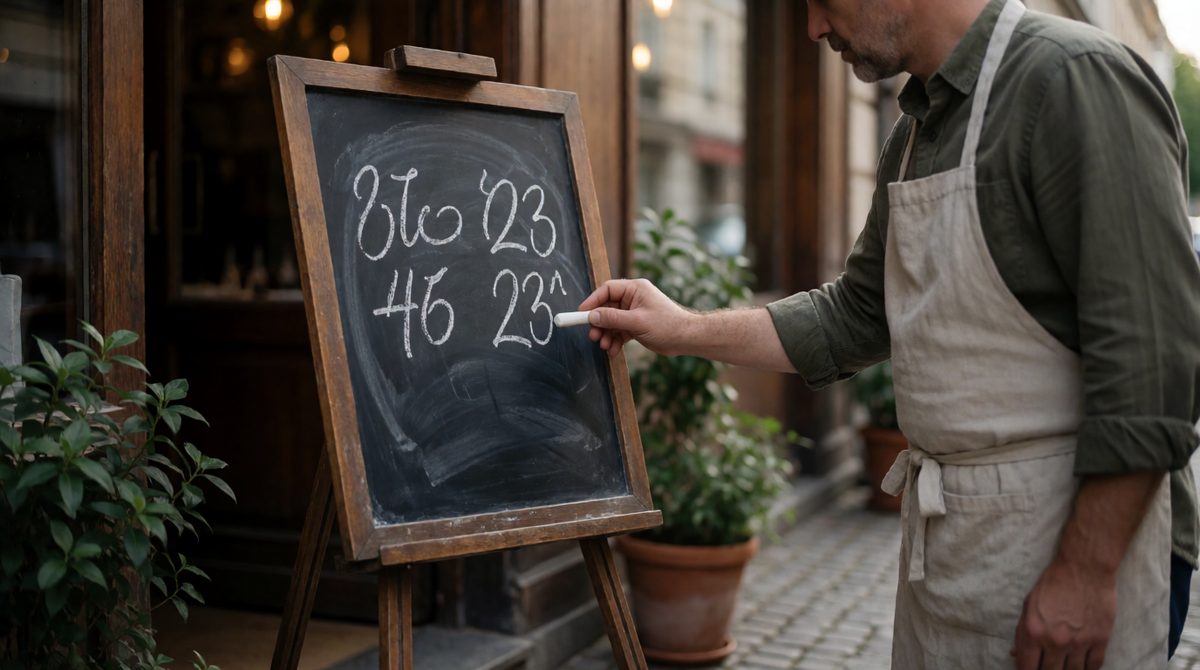
Changing every price tag and menu costs time and money: these are menu costs
Inflation also creates costs that are easy to forget. Two of them have odd names.
Key terms:
A cafe owner has to reprint every menu and change the prices on the chalkboard each time costs rise. This takes time and money, and the faster prices rise, the more often it happens.
A shopper visits several shops to find the cheapest bread, or a saver makes regular trips to the bank to move money into a better account. The phrase comes from the idea of wearing out your shoes.
High inflation is hard to predict. When prices keep changing, people do not know what things will cost next year. This is uncertainty.
Key terms:
| Area | Effect of high inflation |
|---|---|
| Prices | Money buys less |
| Wages | Real wages fall if pay rises are smaller than inflation |
| Exports | Dearer goods, so fewer sold abroad |
| Unemployment | Lower sales and higher interest rates can cost jobs |
| Menu and shoe leather costs | Time and money wasted |
| Confidence and investment | More uncertainty, less confidence, less investment |
Do not say a pay rise always makes workers better off. Check it against inflation. Do not mix up menu costs (a firm changing prices) with shoe leather costs (people searching or moving money). Do not say all inflation is bad: the aim is low and stable inflation, not zero.
In Country Veshna, the prices of goods have risen by 6% in a year, which is faster than in its main trading partners. Average nominal wages rose by 4%. Many cafes have had to change their prices three times this year.
(a) Define 'real wages'. [2 marks]
(b) Calculate the approximate change in real wages in Country Veshna. [2 marks]
(c) Explain two ways high inflation could harm firms in Country Veshna. [4 marks]
(a) Real wages are wages adjusted for inflation (1). They show what the wages can actually buy (1).
(b) 4% - 6% = -2% (1). Real wages fell by about 2% (1).
(c) Menu costs: cafes must keep changing prices, which costs time and money for new menus and price lists (1 for the cost, 1 for the development). Exports: prices rising faster than in trading partners make Veshna's goods dearer abroad (1), so foreign buyers may buy from rivals and exports fall (1).
In 'explain' questions, give the effect and then add 'which means...' to develop it. One developed point earns more than two bare ones.