🏆 Quality of goods
If foreign goods are better made than domestic goods, buyers choose imports. Imports rise and a deficit is more likely. If the country's own goods are high quality, foreigners buy more exports and a surplus is more likely.
This topic is examined on Paper 2 (Macroeconomics and the Global Economy). In the last lesson you saw how to spot a deficit or a surplus. Now we ask two harder questions: why do they happen, and why might a deficit be a problem?
Sign up to access the complete lesson and track your progress!
Unlock This CourseCountries use different money. To buy goods from abroad, a firm must swap its own money for the seller's money. The price at which one currency swaps for another is the exchange rate.
Some real-world examples: a UK shopper can swap pounds for euros, US dollars or Japanese yen. A statement like "one pound buys a certain number of dollars" is an exchange rate. These rates change from day to day, so exam questions give you the numbers you need. You never have to remember them.
Key terms:
The link to the current account is simple. The exchange rate changes how expensive a country's goods look to foreign buyers, and how cheap foreign goods look to its own buyers. That changes how many exports and imports there are, so it changes the balance on the current account. (How exchange rates are set is covered in a later lesson, Exchange Rates and How They Are Set.)
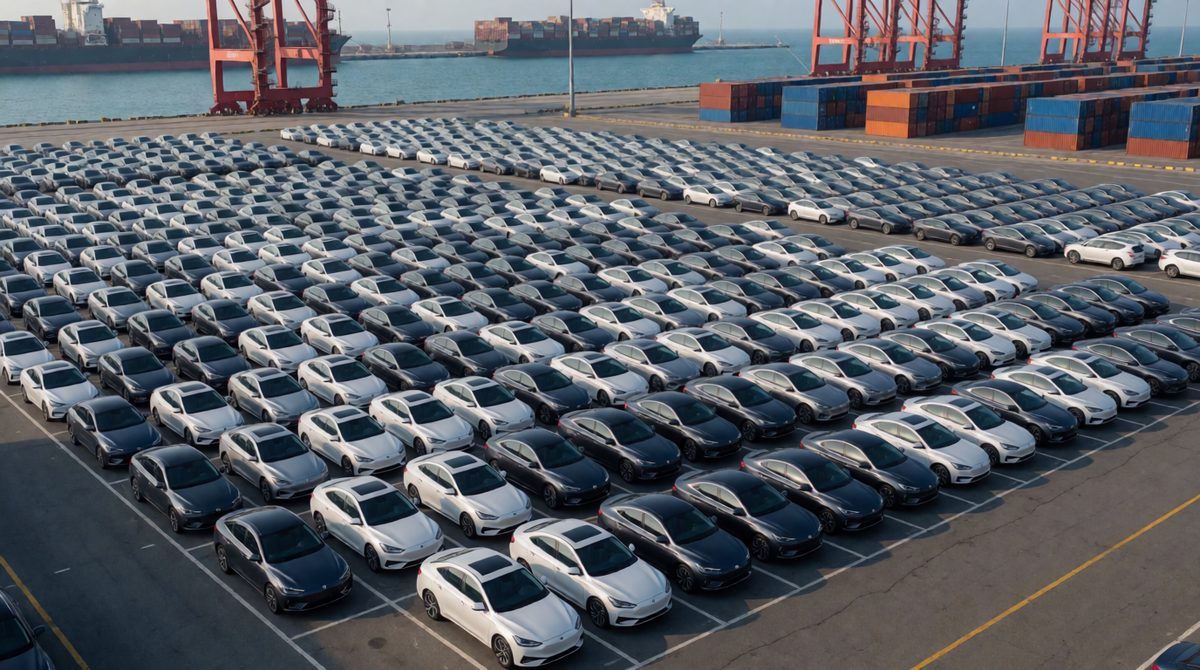
If foreign goods are cheaper or better, a country imports more and its current account can slip into deficit
A country's current account balance depends on how attractive its goods are compared with foreign goods. There are five main reasons in the spec.
If foreign goods are better made than domestic goods, buyers choose imports. Imports rise and a deficit is more likely. If the country's own goods are high quality, foreigners buy more exports and a surplus is more likely.
If foreign goods are cheaper than domestic goods, imports rise. If domestic goods are cheaper than foreign goods, exports rise. Lower prices help the current account.
Suppose a country's currency becomes worth more in other currencies. Its exports cost foreign buyers more, so they buy fewer. Its imports cost its own buyers less, so they buy more. This pushes the current account towards deficit. If its currency becomes worth less, the opposite happens: exports look cheaper abroad, imports look more expensive at home, and the current account moves towards surplus.
So in total the five reasons are: quality of domestic goods, quality of foreign goods, price of domestic goods, price of foreign goods, and exchange rates between countries.
A firm in Country Ralda sells bicycles abroad for 400 Ralda units each. At first, 1 Ralda unit swaps for 2 foreign dollars, so a foreign buyer pays 800 dollars. Later the Ralda unit is worth 3 foreign dollars. The same bicycle now costs the foreign buyer 400 × 3 = 1,200 dollars. The bicycle has not changed, but it looks 50% more expensive abroad. Fewer are sold, exports fall, and the current account moves towards deficit.
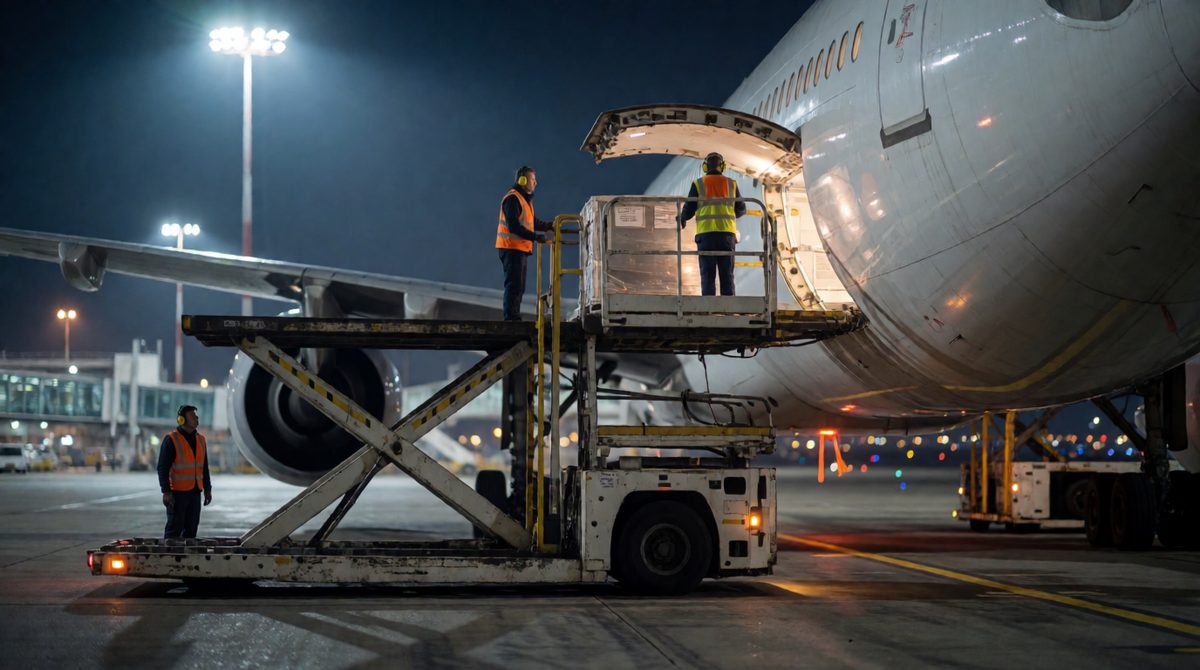
A deficit means money leaks out of the economy to pay for imports
A deficit means more money flows out for imports than flows in from exports. The spec lists four effects.
A small deficit for a short time is not usually a big problem, especially if the country has plenty of reserves. The danger is a large deficit that goes on for years, because reserves cannot last for ever.
1. Saying a deficit means the government is overspending. That is a different idea (a fiscal deficit, covered later). A current account deficit is about trade with other countries. 2. Mixing up the effect of exchange rates: a currency worth more makes exports more expensive, not cheaper. 3. Forgetting to say why something happens. "Exports fall" gets less credit than "exports fall because they cost foreign buyers more".
Country Bellow has a current account deficit. Its car makers say that foreign cars are cheaper and better made. The value of its currency has also risen against other currencies.
(a) State two reasons for Bellow's current account deficit. [2 marks]
(b) Explain one way a current account deficit could harm Bellow's economy. [3 marks]
(c) Which one of these is a foreign reserve? [1 mark]
A. A tax paid by foreign firms B. A stock of foreign currency held by the central bank C. Exports of services D. Money spent on imports
(a) Foreign cars are cheaper than Bellow's cars (1). Foreign cars are better quality (1). (The higher value of the currency is also accepted.)
(b) A deficit means money is leaking out of the economy on imports (1). Bellow's firms sell fewer goods, because buyers choose imports (1), so firms may cut output and jobs (1).
(c) B (1)
In part (b), name the effect, then add "because" and a reason. Each link in the chain earns a mark.