💼 Aim: lower unemployment
Policy: more spending. Cost: higher inflation.
This topic is examined on Paper 2: Macroeconomics and the Global Economy.
Sign up to access the complete lesson and track your progress!
Unlock This CourseGovernments want low unemployment, low and stable inflation, steady economic growth, a healthy current account and a protected environment. The trouble is that a policy which helps one objective often harms another. You have seen how fiscal, monetary and supply-side policies work. This lesson looks at their side effects.
Key terms:
A trade-off is opportunity cost again. The government cannot do everything at once, so it must choose what to give up.

Cutting unemployment by boosting spending can push prices up: a trade-off with inflation
Imagine a government wants to cut unemployment. It uses expansionary policy, such as a tax cut or lower interest rates. Households and firms spend more, firms hire more workers and unemployment falls. But if firms cannot produce enough to meet the extra spending, prices are pushed up. This is demand-pull inflation.
Now reverse it. The government wants to bring inflation down, so it uses contractionary policy, such as higher interest rates or higher taxes. Spending slows and prices rise more slowly. But firms sell less, so they cut jobs and unemployment rises.
Policy: more spending. Cost: higher inflation.
Policy: less spending. Cost: higher unemployment.
Growth needs more demand and more output. Policies that boost growth, such as lower interest rates or lower taxes, raise spending. If growth is faster than the economy can safely produce, demand is bigger than supply and prices rise. Inflation then eats into the benefits of growth.
To slow inflation, the government may raise interest rates. This cools spending, but it also slows growth. Supply-side policies can ease the problem because they raise the economy's ability to produce, so growth can happen with less pressure on prices. However, they usually take years to work.
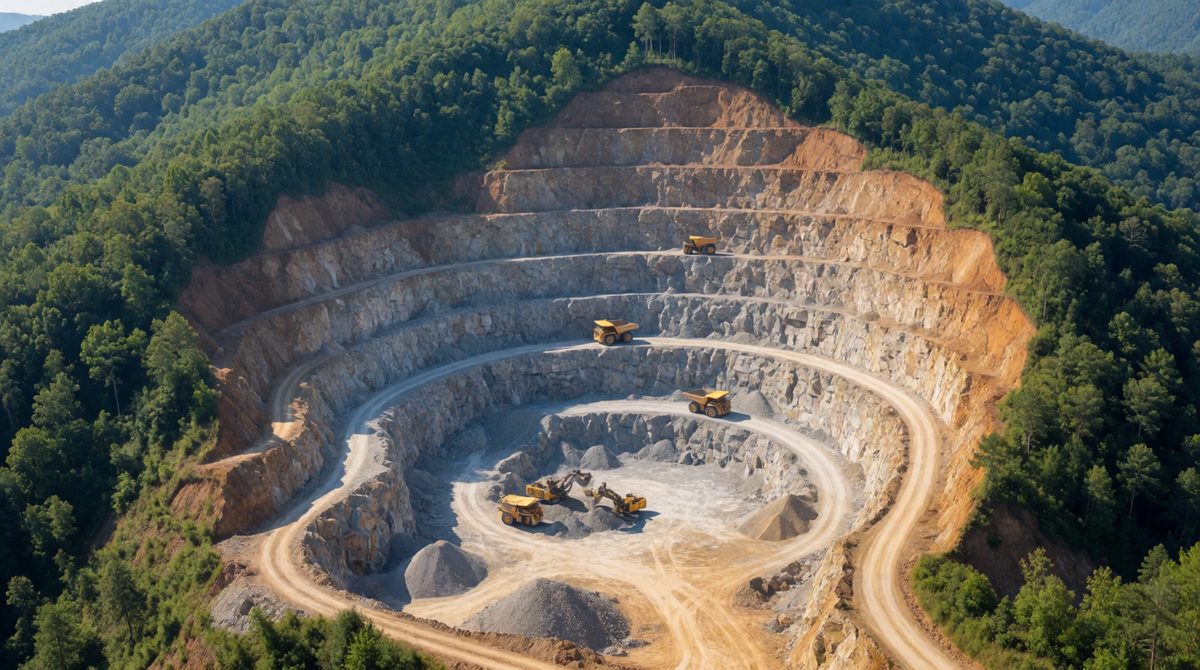
Faster growth often means more mining and building, which can harm the environment
More output usually means more factories running, more lorries on the road and more raw materials used. That can mean more air pollution, water pollution and damage to land. A government that pushes for fast growth, for example by cutting rules on businesses (deregulation), may therefore harm the environment.
Protecting the environment can slow growth. Taxes on pollution, tighter laws and pollution permits raise firms' costs. Firms may produce less, cut investment or move abroad, so growth and jobs may suffer in the short run.
Country Hadron wants faster growth, so it removes limits on how much smoke factories can release. Output rises and unemployment falls. But air pollution in its cities worsens and more people become ill. The government has gained growth and jobs but lost environmental protection. Later, stricter smoke rules might clean the air but raise firms' costs and slow growth.
Inflation affects how competitive a country's goods are. If prices at home rise faster than prices abroad, exports become dearer for foreign buyers and imports look cheaper to home buyers. Export sales fall and import spending rises, so the current account moves towards deficit.
There is also a trade-off in how inflation is controlled. Raising interest rates to fight inflation tends to attract foreign savers, which can push the exchange rate up. A stronger currency makes imports cheaper, which helps to lower imported inflation. But it also makes exports dearer, so the current account may get worse. The government gains lower inflation but may lose current account balance.
Saying a trade-off is always permanent. Many are short-run, and good supply-side policies can reduce them. Another mistake is naming a policy but not saying which objective gets worse. Always name both the objective that improves and the one that suffers.
There is no single right answer. Governments prioritise according to the situation:
Evaluation means weighing both sides. Think about who gains and who loses, how big the effect is, how long it lasts and whether the problem is getting better or worse. Then give a reasoned judgement.
Country Zeltin had inflation of 6% and unemployment of 4% last year. The government raised taxes and interest rates. This year inflation is 2% and unemployment is 7%.
(a) Define the term 'trade-off'. [2 marks]
(b) Explain why higher interest rates could raise unemployment. [3 marks]
(c) Evaluate whether the government of Country Zeltin was right to put low inflation first. [6 marks]
(a) A trade-off is when achieving more of one objective (1) means giving up some of another objective (1).
(b) Higher interest rates make borrowing dearer, so households and firms spend and invest less (1). Firms sell less (1) and so cut output and jobs, which raises unemployment (1).
(c) Lower inflation helps Country Zeltin because prices rise more slowly, so real wages and savings keep their value and firms can plan with more confidence (1). However, unemployment rose by 3 percentage points, so more families lose income and output is wasted (1). The policy was right if inflation of 6% was damaging confidence and the economy was overheating (1). It was less right if jobs were already scarce, because the pain falls on the people who lose work (1). The effects may be short-run, and unemployment may fall again as lower inflation makes firms more confident (1). On balance, the government was right to act, because 6% inflation is a serious problem, but it should now support jobs, for example through supply-side policies such as training, to reduce the cost (1).
In (c), do not stop at one side. Give a gain, give a cost, then end with a judgement that uses the figures from the data, such as the fall from 6% to 2% and the rise from 4% to 7%.