🏢 Countries
Exports and investment can bring faster growth, more jobs and higher incomes.
This topic is examined on Paper 2: Macroeconomics and the Global Economy.
Sign up to access the complete lesson and track your progress!
Unlock This CourseGlobalisation does not affect everyone in the same way. Some people gain a lot, some lose, and some do both at once. The spec asks you to know the impacts on six groups: countries, governments, producers, consumers, workers and the environment. Global companies, the firms that operate in many countries, play a big part in all of these. The impacts to learn are rising living standards, greater choice, lower prices, reduced costs of communication, the closing of traditional industries and environmental impact.
Key terms:
When countries trade and invest more, many of them grow faster. Firms sell to bigger markets, so they hire more people and pay more tax. Workers in new jobs earn wages, and this can lift people out of poverty. Over time, the standard of living of a country can rise.
Exports and investment can bring faster growth, more jobs and higher incomes.
A growing economy means more tax revenue. This can pay for schools, hospitals and roads.
But the gains are not always shared fairly. Some regions and some groups of people can be left behind while others grow richer.
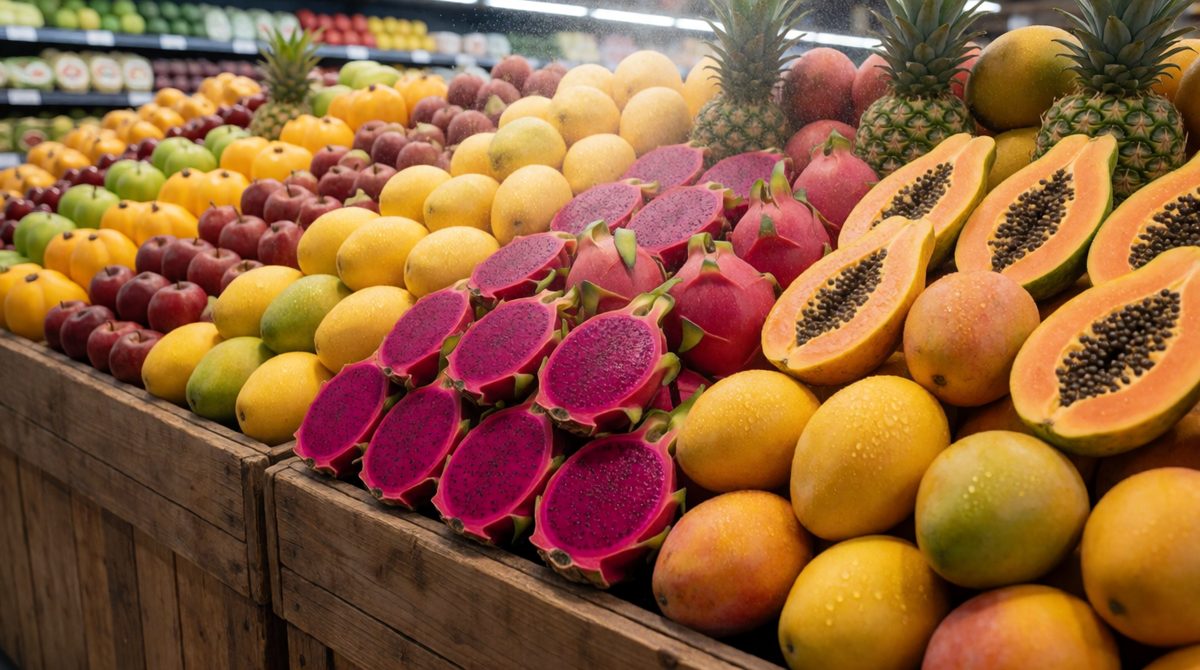
Fruit from all over the world in one shop: globalisation gives consumers more choice
These two impacts are felt most by consumers. With fewer trade barriers and cheaper transport, shops can stock goods from all over the world. A supermarket can sell fruit from other continents all year round, and a high street can sell clothes and electronics made in many different countries.
Prices tend to fall for two reasons. First, firms can make goods in countries where the costs of production are lower. Second, there is more competition, because firms from many countries are fighting for the same customers. To win sales, they must keep their prices low.
Country Halden used to make all its own shoes. A pair cost 60 pounds. After trade barriers were cut, shoes from abroad arrived at 40 pounds a pair. Consumers gain a lower price (20 pounds less) and more choice of styles. Halden's shoe makers now face tougher competition and may have to cut their own prices or lose sales.
Email, messaging and video calls cost very little. This helps producers, who can find suppliers and customers abroad, share designs at once and manage staff in other countries. It also helps ordinary people to stay in touch with family overseas and to learn about goods and services from around the world. Small firms benefit too, because a tiny business can now sell to the world through a website.

When production moves abroad, traditional industries like old textile mills can close
Globalisation creates winners and losers among producers and workers. If another country can make a product much more cheaply, customers buy that instead. The home industry loses sales and may close.
Workers in the closing industry lose their jobs. They may need to retrain, and some stay unemployed for a long time, especially if the industry was the main employer in a town.
Firms that cannot match the lower prices of foreign rivals may shut down. Firms that can compete or find new markets may grow.
At the same time, workers in other countries gain jobs when the industry grows there, so the impact on workers depends on where they live. Governments may lose tax revenue and have to pay more benefits when jobs disappear.
More trade means more goods are made and moved. Ships, lorries and aeroplanes burn fuel and release gases into the air. Factories produce more waste, and the demand for raw materials can lead to forests being cut down or land being damaged. Some firms may also choose to produce in countries with weaker rules on pollution.
So the environmental impact of globalisation is mainly negative: more transport, more production and more use of resources.
| Impact | Who gains | Who may lose |
|---|---|---|
| Rising living standards | Countries, workers, governments | Regions left behind |
| Greater choice, lower prices | Consumers | Home producers |
| Cheaper communication | Producers, consumers | Few losers |
| Closing of traditional industries | Producers abroad | Home producers and workers |
| Environmental impact | Few gains | The environment |
Saying globalisation is only good, or only bad. Examiners reward both sides. Another slip is listing an impact without saying who it affects. Write "lower prices help consumers" rather than just "lower prices". Finally, do not mix up the impacts of globalisation in general with the advantages and disadvantages of one multinational. That comes in the next lesson, Multinationals and Foreign Direct Investment.
Country Brelo has cut its trade barriers. Cheap imported furniture now fills its shops. Many Brelo furniture factories have closed, but average incomes have risen and the price of household goods has fallen.
(a) State one impact of globalisation on consumers in Country Brelo. [1 mark]
(b) Explain one way that globalisation may harm workers in Country Brelo. [3 marks]
(c) Evaluate whether globalisation has been good for Country Brelo. [6 marks]
(a) Lower prices for household goods (1).
(b) Furniture factories have closed because they cannot match the cheap imports (1). Workers in those factories lose their jobs and their wages (1). They may stay unemployed for a long time if they have no other skills or there are no other jobs nearby (1).
(c) Globalisation has benefits. Consumers gain greater choice and lower prices (1). Average incomes have risen, which suggests that living standards are going up (1). Governments may collect more tax as the economy grows (1). However, there are costs. Furniture factories have closed, so workers lose their jobs and the government may pay more in benefits (1). More imports also mean more transport and so more pollution (1). Overall, it depends on how many new jobs are created for the workers who lost theirs. If those workers find new work, the gains are likely to outweigh the costs. If they do not, the benefits are shared unfairly, so globalisation is good for the country only in part (1).
In a six-mark evaluate question, give points for and against, then finish with a judgement that says what the answer depends on.