📈 Economies of scale
By selling in many countries, a firm can make far more units. As output rises, average costs can fall. This is a reminder of the lessons on economies of scale.
This topic is examined on Paper 2: Macroeconomics and the Global Economy.
Sign up to access the complete lesson and track your progress!
Unlock This CourseA multinational corporation (MNC) is a business that operates in more than one country. It usually has its head office in one country, called its home country, and factories, shops or offices in others. The countries where it sets up are called host countries.
When an MNC builds a new factory, buys land or buys a local firm in another country, it is putting money into that country. This is called foreign direct investment.
Key terms:
So FDI is how an MNC grows abroad. Remember from the lesson Globalisation and Why It Happened that MNCs have become more significant. This lesson looks at why they spread and what they mean for the countries they enter.
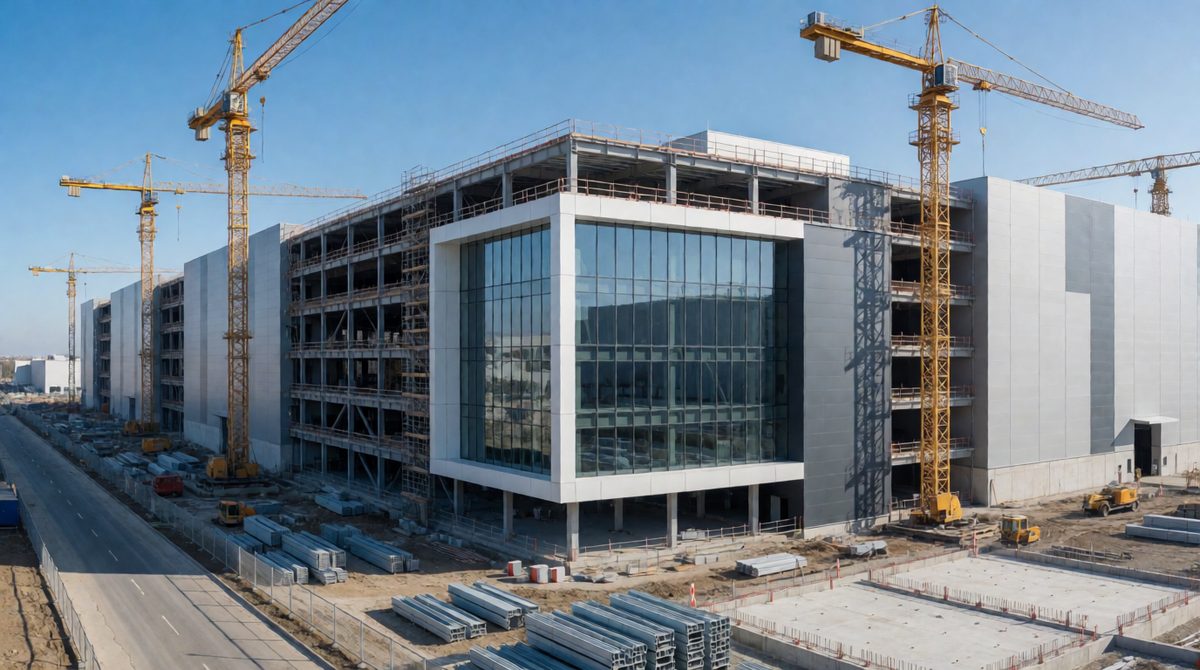
Multinationals open factories abroad to reach new customers and cheaper materials: foreign direct investment
Firms do not invest abroad just for fun. They do it because it can make them more profit. There are four reasons to learn.
By selling in many countries, a firm can make far more units. As output rises, average costs can fall. This is a reminder of the lessons on economies of scale.
A firm may set up where the raw materials are, such as minerals, timber or farmland, or where materials cost less.
Cheaper shipping, flights, email and video calls make it easier and cheaper to run a factory or office far from the head office.
Building in a region puts the firm close to its customers there. It can sell more and may avoid trade barriers on imports.
Zandor Motors is based in Country A. It builds a car factory in Country B. Country B has a large population who want cars (access to customers), and the factory makes parts for all of the firm's cars (economies of scale). The money Zandor spends building the factory is FDI. Country B is the host country.
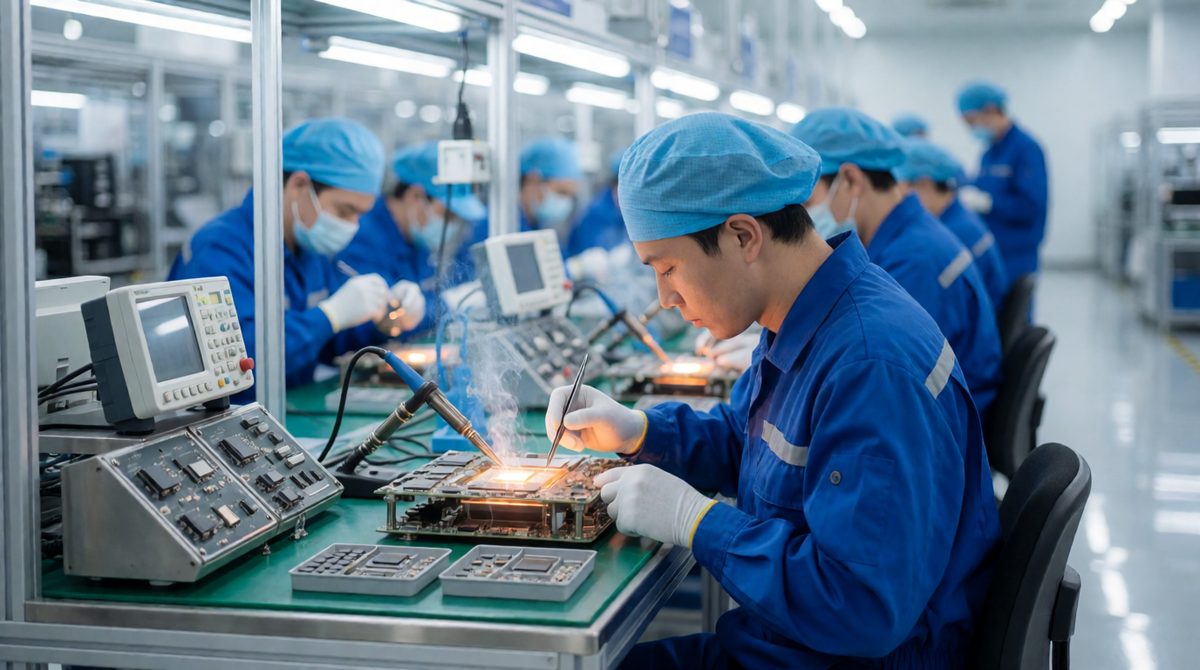
FDI can create jobs and train local workers in new skills
Host countries often welcome MNCs. They welcome them for these reasons:
There are costs as well.
| Advantages | Disadvantages |
|---|---|
| Jobs created | Taxes may be avoided |
| Infrastructure improved | Environmental damage |
| Skills developed | Profits moved abroad |
| Capital developed | |
| Taxes contributed |
Writing that FDI means an MNC "sells goods abroad". That is exporting. FDI is investing in a business or assets in another country. Another slip is only listing "jobs" without saying who gains. Say that local workers earn wages. Finally, do not forget that taxes appear on both sides: some are paid, but some are avoided.
Country Tindra is a developing country. In 2024, a foreign food company, Brava Foods, opened three factories there. Brava Foods employs 4,000 local workers and trains them to use modern machines. The company sends most of its profit to its head office in Country Hallow. Some local people say its factories pollute the nearby river.
(a) Define foreign direct investment. [2 marks]
(b) Explain one reason why Brava Foods might have chosen to invest in Country Tindra. [3 marks]
(c) Evaluate whether Country Tindra gains from having Brava Foods as a multinational. [6 marks]
(a) FDI is money invested by a firm from one country (1) in a business or assets, such as factories, in another country (1).
(b) Brava Foods may want access to customers in the region (1). By building factories in Tindra it can sell directly to people there (1) and avoid trade barriers such as tariffs on imported food, which makes its sales and profits higher (1).
(c) Tindra gains 4,000 jobs, so workers earn wages and spend them in local shops (1). The workers are trained, so they gain skills that are useful for future jobs (1). The company will also pay some taxes, which the government can spend on public services (1). However, most of the profit is sent to Country Hallow, so Tindra does not keep the full gain (1). The pollution of the river is environmental damage, which can harm local people and farming (1). Overall, Tindra probably gains if the jobs and training are worth more than the cost of the pollution and lost profit. This depends on whether the government makes the firm clean up and pay its fair share of tax (1).
In an evaluate question, use the details given in the case, such as the 4,000 workers and the river, and finish with a judgement that says what it depends on.