🛒 Lower prices
With no tariffs, imported goods cost less. Foreign firms also compete with local firms, which pushes prices down. Shoppers can buy more for the same money.
This topic is examined on Paper 2: Macroeconomics and the Global Economy.
Sign up to access the complete lesson and track your progress!
Unlock This CourseCountries buy and sell goods and services across borders all the time. In the lesson Globalisation and Why It Happened you met tariffs and quotas, which make trade harder. Free trade is the opposite. It means trade between countries with no barriers, so goods and services can cross borders without tariffs, quotas or other restrictions.
Key terms:
Free trade has winners and losers. Economists look at both sides, and so will you.

Free trade means cheaper imports and more choice for shoppers
With no tariffs, imported goods cost less. Foreign firms also compete with local firms, which pushes prices down. Shoppers can buy more for the same money.
Consumers can buy goods that cannot be made at home, or are made better or cheaper abroad. Think of fruit that will not grow in a cold climate, or a wider range of phones.
Businesses can buy materials and parts from the cheapest supplier in the world. Cheaper inputs mean lower costs of production, so firms can charge less or earn more profit.
Businesses can sell to customers in many countries, not just at home. More customers means more sales, and bigger output can bring economies of scale.
A bakery in Country A buys flour from a local mill at 50 pence per kilogram. Under free trade, it can import flour from a foreign mill at 40 pence per kilogram. Its input costs fall by 10 pence per kilogram, so it can lower the price of its bread. Shoppers gain, and the bakery sells more. The bakery can also now sell its bread to shops in the next country along, so its market is wider.
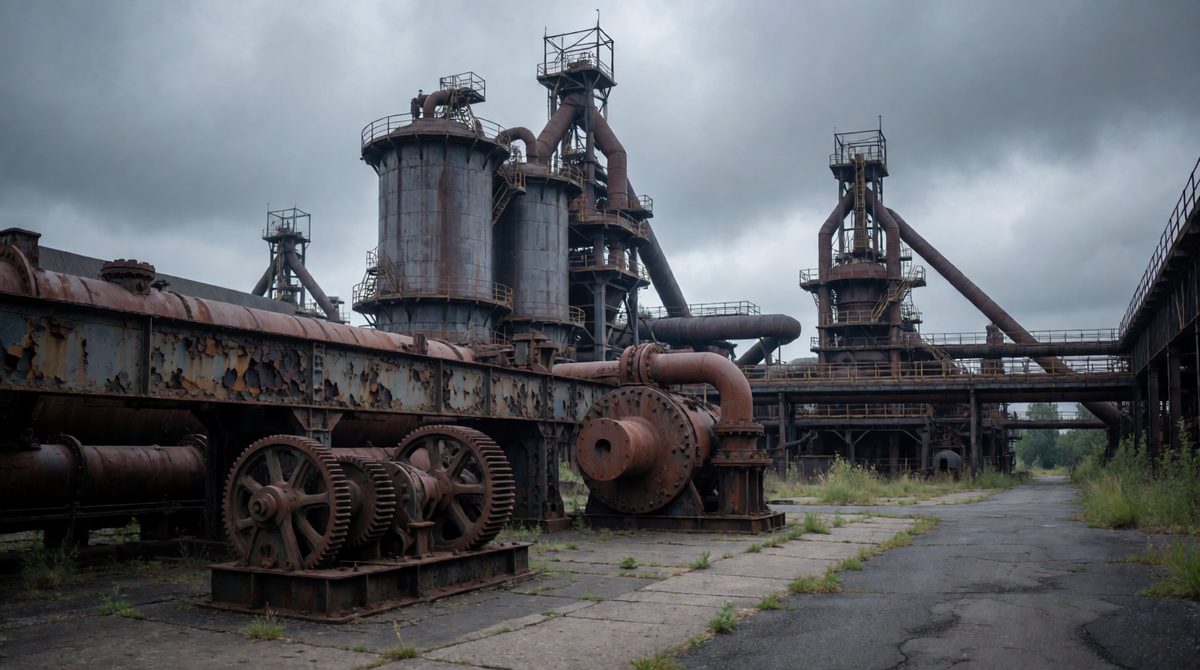
Cheap foreign competition can force domestic firms to close and cut jobs
Foreign firms may be bigger, or able to make goods more cheaply. Domestic businesses can lose sales and profit, and some may close down. This is hardest for small firms.
If a domestic firm closes or cuts production, its workers lose their jobs. Workers cannot always move quickly into new jobs, as the lesson on measuring unemployment and its types explained.
Country A used to make its own toys. Once trade is free, cheaper toys arrive from abroad. Country A's toy factories cannot match the price, so sales fall and the factories close. The toy workers become unemployed. Shoppers pay less for toys, but the workers and their town suffer.
Notice that the same change can be good for one group and bad for another. Consumers gain from lower prices. Domestic businesses facing foreign competition may lose.
| Group | Likely gain | Likely loss |
|---|---|---|
| Consumers | Lower prices, more choice | Little, unless their job is lost |
| Businesses that buy imported inputs | Lower input costs | Few |
| Businesses that export | Wider markets | Few |
| Businesses that only sell at home | Cheaper inputs | Lost sales from foreign competition |
| Workers in struggling industries | Possibly new jobs elsewhere | Unemployment |
The size of the effect depends on the country and the industry. A country with many exporting firms may gain a lot. A country whose main industries are weak compared with foreign rivals may lose jobs. In an evaluation answer, say who gains, who loses, and then give a judgement.
Country Marden and its neighbours agree to free trade in bicycles and tea. Marden removes all tariffs and quotas on imported bicycles, and its neighbours remove theirs on Marden's tea. Cheap bicycles now arrive from abroad. Marden's bicycle factories sell fewer bicycles, and Marden's tea farmers can now sell more tea overseas.
(a) Define free trade. [2 marks]
(b) Explain one advantage of free trade for consumers in Marden. [3 marks]
(c) Analyse one way free trade could harm Marden's economy. [4 marks]
(d) Evaluate whether free trade is good for Marden. [6 marks]
(a) Free trade is trade between countries (1) without barriers such as tariffs and quotas (1).
(b) Consumers can buy cheaper bicycles (1) because imports no longer have a tariff and foreign firms compete with local ones (1). This means shoppers can buy more for the same money, or have more choice (1).
(c) Foreign bicycles are cheaper, so Marden's bicycle factories lose sales (1). They may cut output or close (1). Workers lose their jobs, so unemployment rises (1). The workers may struggle to find new jobs quickly, so the harm lasts (1).
(d) Free trade gives consumers lower prices and more choice (1). Tea farmers gain a wider market for their tea, so they earn more (1). However, the bicycle factories face foreign competition and may close (1), causing unemployment among the factory workers (1). The gains are spread across many shoppers and tea farmers, while the losses are felt strongly in the factory towns (1). Overall, free trade is probably good for Marden if the farmers and shoppers gain more than the factory workers lose, but it depends on how many people work in bicycle making and whether the lost workers can find new jobs (1).
On "evaluate" questions, always finish with a judgement that starts with a word like "overall" and says what it depends on. Do not stop at a list of points.