This topic is examined on Paper 2: Macroeconomics and the Global Economy.
What is protection?
In the last lesson, Free Trade, you saw that trade without barriers brings benefits but also costs. Many governments therefore step in. Protection means a government acting to shield its own producers from foreign competition, usually by making imports dearer or harder to bring in. The tools it uses, such as tariffs and quotas, are covered in the next lesson, Tariffs, Quotas and Subsidies. This lesson is about the reasons why governments do it.
Key terms:
- Protection: government action to shield domestic producers from foreign competition.
- Dumping: selling goods in another country at a price below the cost of making them, or below the price charged at home.
- Infant industry: a new industry that has only just started up and is still too small to compete with large, established foreign firms.
- Retaliation: a government hitting back at another country's trade barriers with barriers of its own.
There are seven reasons to learn. Each one is a way a government might justify protection.
Protecting firms and jobs
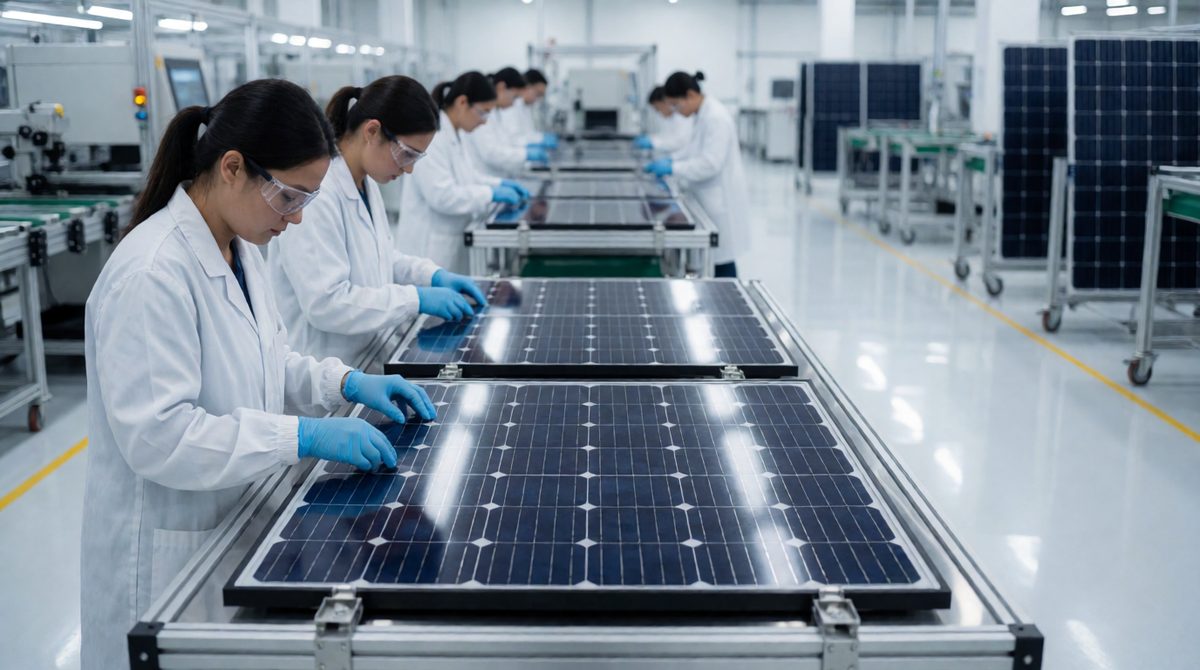
Protecting a new, infant industry gives it time to grow before facing foreign rivals
🛢 Prevent dumping
A foreign firm may sell its goods very cheaply to push local firms out of business. Once the local firms have gone, the foreign firm can raise its prices. A government may block dumping to keep its own firms alive and to keep competition fair.
👷 Protect employment
Cheap imports can cause local firms to close and workers to lose their jobs. Protection makes imports dearer, so more people buy home-made goods and more jobs are saved. Governments also want to avoid the costs of unemployment.
🌱 Protect infant industries
A new industry has high costs at first because it makes only a small amount. Established foreign firms can make more and sell cheaper. Protection gives the new industry time to grow and lower its costs. The hope is that it can compete without help later.
💰 Gain tariff revenue
A tariff is a tax on imports, so it brings money into the government. This is useful to countries that find it hard to collect other taxes. The money can pay for schools, roads and hospitals.
Protecting people and the economy
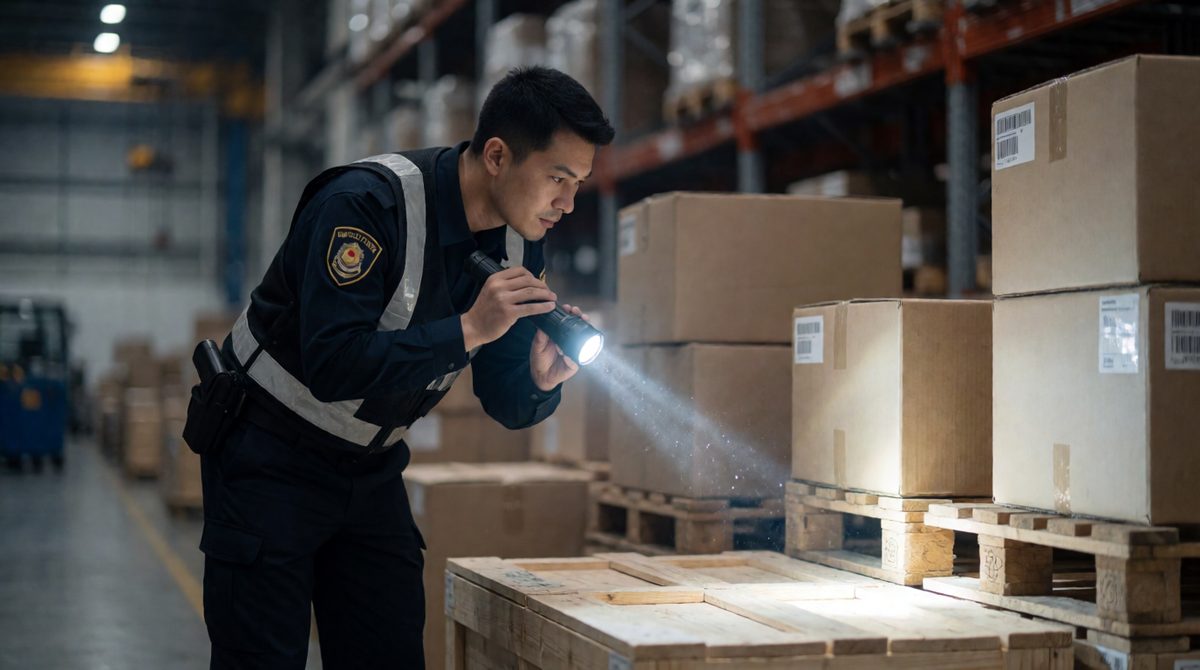
Safety checks on imports protect consumers from unsafe products
🧪 Unsafe products
Some imports may be unsafe, such as toys with poisonous paint, contaminated food or faulty electrical goods. A government can ban them or restrict them to protect consumers.
📉 Current account deficits
A country with a current account deficit spends more on imports than it earns from exports. Making imports dearer should cut the amount bought, and so reduce the deficit.
⚔️ Retaliation
If Country A puts barriers on Country B's goods, Country B may do the same back. Country A's exporters then lose sales too.
Worked example
Country Ventor is a small country with a new electric-bus industry. Each bus costs Ventor's firms £300,000 to make, while a large foreign firm sells similar buses for £220,000. Without help, nobody in Ventor will buy the local buses.
Ventor's government taxes imported buses so that the foreign buses cost more. This is an infant industry argument. Local firms get time to grow and cut their costs. Employment is also protected, since local bus makers keep their jobs. The government gains tariff revenue on every bus imported.
Does protection always work?
Protection has a price. Consumers may pay higher prices and have less choice, which are the advantages of free trade you have already seen. Protected firms may become lazy because they face less competition. Retaliation can also leave everyone worse off, because exporters in both countries lose sales. A protected infant industry may never grow up if the help is never taken away.
Some reasons are stronger than others. Protecting consumers from unsafe products is widely accepted. Protecting jobs in a firm that cannot compete may only delay the problem. In an exam answer, say whether the reason is likely to work and what the costs might be.
Common mistakes
- Mixing up dumping with ordinary cheap imports. Dumping means selling at a price below cost or below the home price.
- Saying tariffs protect consumers from high prices. The reverse is true, since a tariff usually raises prices. Protecting consumers means safety, not cost.
- Forgetting that an infant industry is a new industry. Old, struggling industries are not infant industries.
- Listing reasons without explaining. Always say how protection helps, for example "dearer imports mean more people buy local goods, so jobs are saved".
Exam-style question
Country Kaltor has a growing current account deficit. Its government plans to put a tax on imported shoes. Foreign shoe firms sell shoes in Kaltor at a price below the cost of making them. Kaltor's own shoe industry employs 20,000 people.
(a) Define dumping. [2 marks]
(b) Explain one reason why Kaltor's government might protect its shoe industry. [3 marks]
(c) Analyse one possible disadvantage of the plan. [4 marks]
Model answer
(a) Dumping is selling goods in another country (1) at a price below the cost of making them or below the home price (1).
(b) The government may want to protect employment (1). If imports become dearer, more people will buy Kaltor's shoes (1), so its shoe firms keep their sales and 20,000 jobs are saved (1).
(c) Kaltor's shoe buyers may have to pay higher prices (1) because imported shoes cost more after the tax (1). Foreign countries may retaliate (1) by taxing Kaltor's exports, so its exporters lose sales and jobs elsewhere (1).
Exam tip
For a "reason" question, name the reason from the list and then add a chain of cause and effect. Use words such as "so", "which means" and "therefore" to earn the explanation marks.
Recap
- Protection shields domestic producers from foreign competition.
- Reasons: prevent dumping, protect employment, protect infant industries, gain tariff revenue, protect consumers from unsafe products, reduce current account deficits and retaliation.
- Protection can mean higher prices, less choice, lazy firms and trade wars.