✅ Advantages
Home firms sell more and can protect jobs. The government gains revenue. Imports fall, which can help a current account deficit.
This topic is examined on Paper 2: Macroeconomics and the Global Economy.
Sign up to access the complete lesson and track your progress!
Unlock This CourseIn Why Countries Protect Their Industries you met the reasons for protection. Now you need the methods. There are three to learn, and each works in a different way.
Key terms:
A tax added to the price of imports. Imports become dearer, so people buy fewer of them and more home-made goods. The government collects the tax.
A fixed limit on how many units can come in, for example 35,000 school bags a year. When the limit is reached, no more can be imported.
Cash given to home producers. Their costs fall, so they can sell at a lower price and compete with imports. Imports are not taxed or limited.
All three diagrams use the same starting point: a country that can buy a good at the world price. Here is a made-up example. Country Lenvik buys school bags. The world price is £10 a bag. The table shows what happens (quantities are in thousands).
| Price paid by consumers | Domestic demand | Domestic supply | Imports | |
|---|---|---|---|---|
| Free trade | £10 | 100 | 30 | 70 |
| Tariff of £2 | £12 | 80 | 45 | 35 |
| Quota of 35 | £12 | 80 | 45 | 35 |
| Subsidy of £2 | £10 | 100 | 45 | 55 |
How to draw the starting diagram:
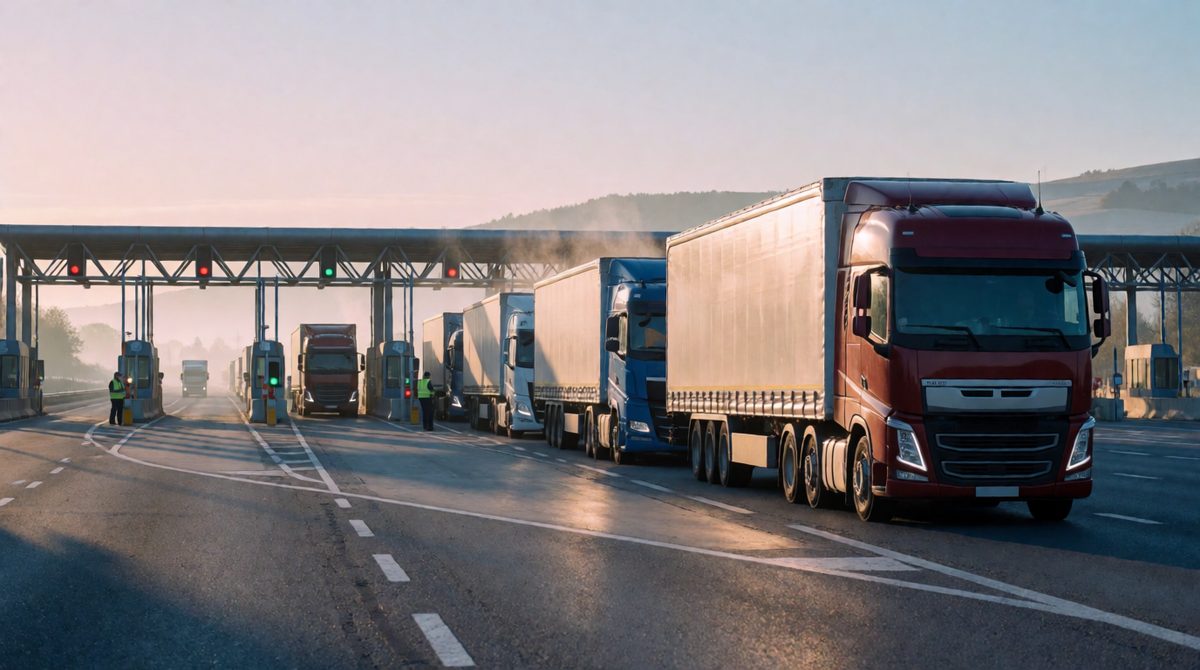
A tariff is a tax on imports collected at the border, making foreign goods dearer
Drawing it: keep the diagram above. Draw a second, higher horizontal line at £12 (world price plus the tariff) and label it World price + tariff. Mark the new quantities: home supply rises to Q3 (45) and demand falls to Q4 (80). Imports shrink to the gap between Q3 and Q4 (35). The government's tariff revenue is the tariff per unit multiplied by the imports: £2 × 35,000 = £70,000. Shade the rectangle between £10 and £12 on the vertical axis and between Q3 and Q4 on the horizontal axis, and label it Tariff revenue.
Home firms sell more and can protect jobs. The government gains revenue. Imports fall, which can help a current account deficit.
Consumers pay a higher price and buy less. Home firms face less pressure to be efficient. Other countries may retaliate. Firms that use imported inputs face higher costs.
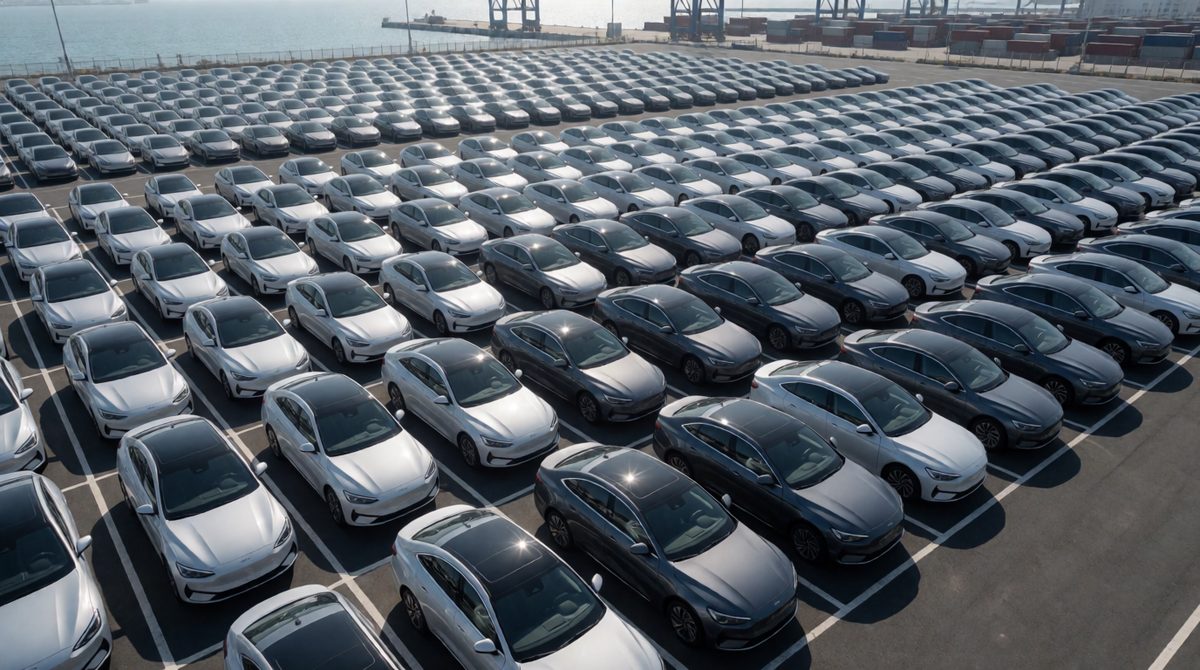
A quota limits how much can be imported, like a cap on the number of foreign cars allowed in
Drawing it: start from the free-trade diagram.
Foreign firms can only send 35,000 bags, so there is a shortage at the old price of £10 and the price rises to £12. Shade the rectangle between £10 and £12 and between Q3 and Q4 and label it Extra income for foreign sellers.
The big difference is who gets the extra £2 on each imported bag. With a quota, the government collects no tax. The extra money goes to the foreign firms or importers who are allowed to bring bags in.
Imports are limited to a known amount, so it is easy to protect home firms and jobs. A quota can help a current account deficit.
Consumers pay more and have less choice. The government earns no revenue. Foreign firms with a licence can gain from the higher price. Other countries may retaliate.
Drawing it: start from the free-trade diagram. Draw a new supply curve S1 to the right of (below) S, because the subsidy lowers costs. The world price line stays at £10, so consumers still pay £10 and demand stays at Q2 (100). But at £10 home firms now supply more: mark Q3 (45) where S1 meets the world price line. Imports fall to the gap between Q3 and Q2 (55). The cost to the government is the subsidy per unit multiplied by home output: £2 × 45,000 = £90,000.
Home firms produce more and jobs are kept. Prices to consumers do not rise, so consumers keep their choice and low prices. Home firms can sell abroad more cheaply.
The government pays, so it needs taxes or borrowing. That money could be used elsewhere (opportunity cost). Imports fall by less than with a tariff or quota. Inefficient firms may rely on the money. Other countries may object, and may retaliate.
Country Lenvik adds a £2 tariff and imports fall from 70,000 to 35,000 bags. Tariff revenue = tariff × imports = £2 × 35,000 = £70,000. The price rises from £10 to £12, so each consumer pays 20% more (2 ÷ 10 × 100).
Country Mirova can buy cotton shirts at a world price of £6. It places a tariff of £2 on each imported shirt. Before the tariff, imports were 500,000 shirts a year. After the tariff, imports are 300,000 shirts a year.
(a) Define the term tariff. [2 marks]
(b) Calculate the tariff revenue for the government of Country Mirova. [2 marks]
(c) Explain one way a subsidy to Mirova's shirt makers would be different from a tariff for consumers. [3 marks]
(d) Analyse one disadvantage of using a quota. [4 marks]
(a) A tariff is a tax (1) on imported goods (1).
(b) Tariff revenue = tariff × imports (1) = £2 × 300,000 = £600,000 (1).
(c) With a tariff the price of imported shirts rises to £8 (1), so consumers pay more (1). With a subsidy the price stays at the world price of £6 (1) because home firms' costs are cut instead.
(d) A quota limits the quantity of imports (1). Supply is then smaller than demand at the old price, so the price of shirts rises (1). Consumers pay more and have less choice (1). The government receives no revenue, because the extra money goes to the foreign firms allowed to sell (1).
In a calculation, write the formula first, then the numbers. In part (b) you pick up a mark for the method even if your arithmetic slips.