 By the Brainy Lemons team
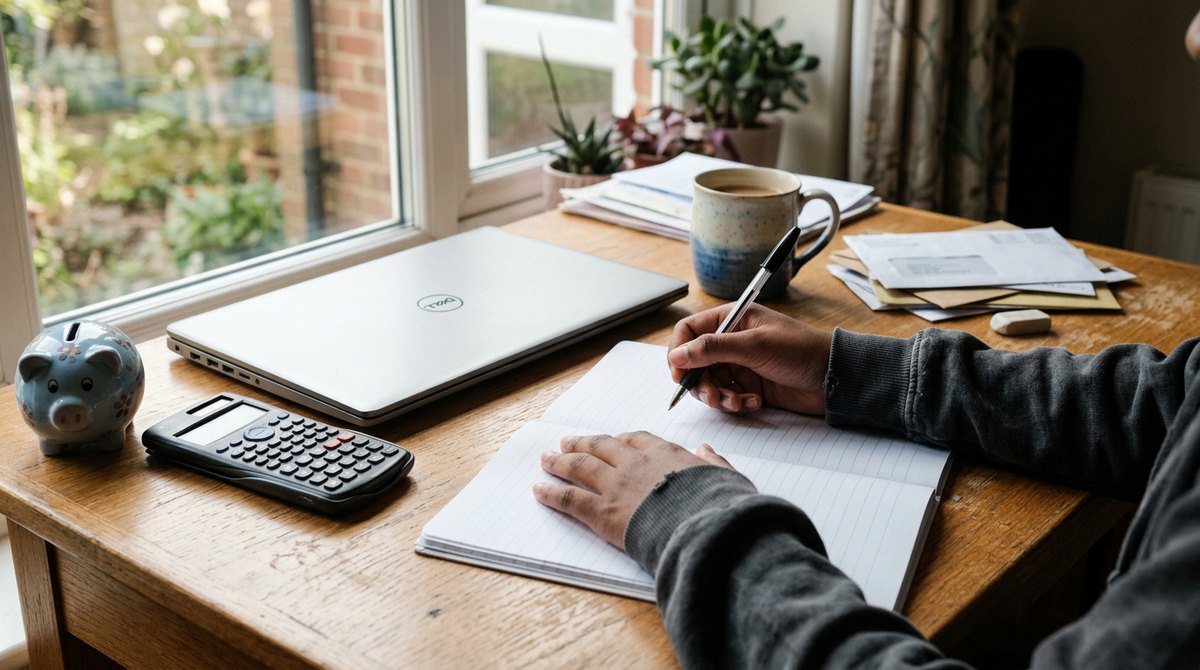
How much do GCSEs cost? For a home educated student sitting exams as a private candidate in 2027, expect about £210 to £325 a subject at an exam centre. Sciences with practicals cost more, around £455 each. Five subjects usually come to roughly £1,000 to £1,600 in exam fees.
That price is two charges added together: the exam board’s entry fee and the centre’s own fee. Schools pay both for their own students, so most families only meet them when they home educate.
This guide uses the boards’ own 2026/27 fee lists and the published prices of four real exam centres. You’ll see what each fee covers, why some subjects cost more and how late fees work. We’ll also price five GCSEs next to five IGCSEs.
At a glance
- Exam board entry fee: about £48 to £58 for most GCSEs (AQA and Pearson Edexcel, 2026/27)
- What a private candidate pays a centre: about £210 to £325 a subject
- Sciences with practicals: about £455 each at one London centre
- June 2027 GCSE entry deadline: 21 February 2027 (centres set earlier ones)
- Late entries: the board fee doubles and centres add their own late fee
- Many International GCSEs need no practicals or coursework, so they often cost less
How much do GCSEs cost? The two fees you pay
You can’t enter a GCSE yourself. Every exam entry goes through an approved exam centre: usually a school, a college or a specialist private centre. The centre pays the board, then charges you.
So the price you’re quoted is really two costs:
- The awarding body’s entry fee. An awarding body is the exam board, such as AQA, Pearson Edexcel, OCR or WJEC. Its fee pays for setting and marking the papers, sending results and printing the certificate.
- The centre’s fee. This covers the exam room, the invigilators (the staff who supervise exams), admin and keeping papers secure. Each centre sets its own.
AQA explains this on its private candidates page. Some schools or colleges charge extra administration fees, which they set themselves. You pay the centre, not the board. Payment is due when you make the entry.
What does the exam board charge?
Board fees are the smallest part of the bill. Here’s what AQA charges for the summer 2027 exams.
Most of these GCSEs cost between £47 and £57. Combined Science costs about double because it’s worth two GCSEs. That’s what a school pays, not what you’ll pay as a private candidate.
Pearson’s fees for UK centres, 2026 to 2027 are a little higher: £56.65 for Maths, £58.10 for English Language and £56.45 for each single science. An International GCSE costs £69.05, or £138.05 for Double Award Science. Cambridge sends its fee list to schools rather than publishing one, so ask your centre for Cambridge IGCSE prices.
GCSEs in England are regulated by Ofqual, the exams regulator. A grade earned as a private candidate is the same qualification as one earned at school, set and marked by the same exam board to the same standard, so universities and employers treat it the same way.
What do exam centres charge private candidates?
This is the number that matters for your budget. On 31 October 2026 we checked the summer 2027 fee lists of four centres that take private candidates.
| Exam centre | Most GCSE subjects | Maths | Combined Science | Late entry |
|---|---|---|---|---|
| Exam Centre London | £215 | £250 | £390 (written papers only) | £290, then £380 a subject |
| London Professional Training College | £210 | £210 | £350 | Ask the centre |
| David Game College | £290 | £290 | Ask the centre | £425 a subject |
| Ealing Independent College | £300 to £325 | £300 to £325 | £375 | £70 extra after 8 February 2027 |
Prices come from each centre’s own website (for example, Exam Centre London’s fee list, or ECL from here on). All four are in the capital, where lots of private candidates sit. Local schools are often cheaper. Fewer of them take external students, though, so phone around.
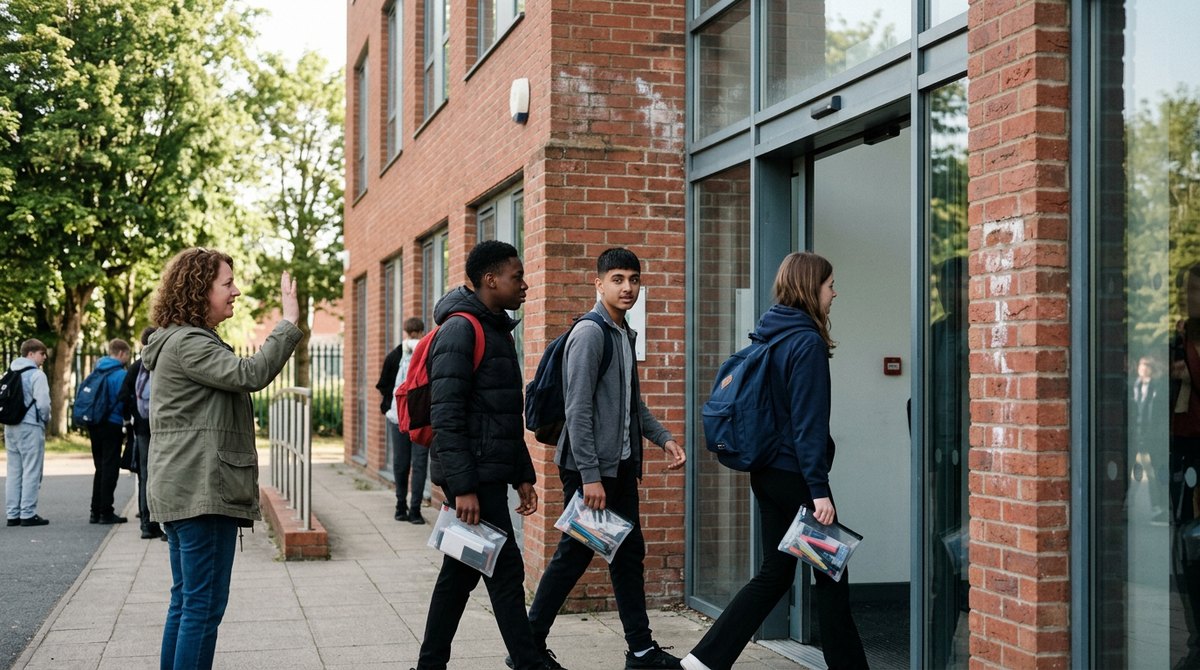
Private candidates sit their papers at a school or college exam centre, alongside the centre’s own students.
Why some GCSE subjects cost more
The private GCSE exam cost jumps when a subject needs more than written papers, because the centre has to find extra time, a suitable room and a member of staff to run it, then passes that cost on to you.
Why do science practicals cost more?
GCSE Biology, Chemistry and Physics each have required practicals, such as a titration in AQA GCSE Chemistry. For an AQA science, the centre must give you the chance to carry them all out.
At ECL a single science costs £215 for the written papers, but £455 with the practicals. Combined Science goes from £390 to £1,130. London Professional Training College adds £350 a subject for a GCSE practical.
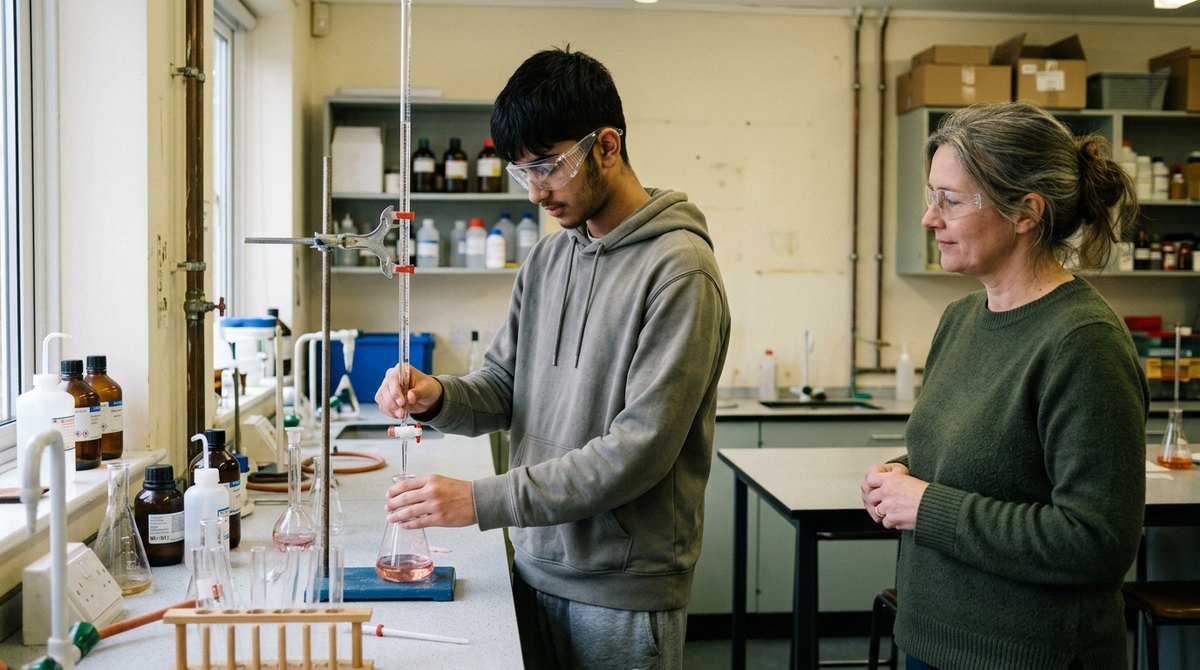
Running required practicals like this titration takes lab time and a supervising teacher, which is why sciences cost more at an exam centre.
Spoken language and coursework
GCSE English Language includes a spoken language task, which a teacher has to run and record. Ealing Independent College charges £90 on top for it. Subjects with coursework or fieldwork, such as AQA GCSE Geography, need a centre that will supervise and sign it off. Many won’t.
Modern foreign languages
Languages include a speaking test, so they cost more too. At ECL most GCSE languages are £305, against £215 for a written-only subject.
Picking subjects with no practicals? Our online IGCSE and GCSE courses follow one exam board’s specification. The first three lessons are free.
Find your course →Late fees and entry deadlines
Booking late is the easiest way to pay too much, because both the exam board and the centre add charges once their deadlines have passed. Here are the dates to know.
When is the deadline for June 2027?
For the June 2027 exams, AQA and Pearson Edexcel both set 21 February 2027 as the GCSE entry deadline. Pearson’s International GCSE deadline is 21 March 2027. Centres set their own deadlines before these: ECL’s is 15 February 2027.
What happens if you book late?
After the deadline the board’s fee climbs fast:
- AQA: a late entry fee worth 100% of the entry fee is added. After 21 April 2027, a very late fee of 150% is added instead.
- Pearson Edexcel: the entry fee is doubled from the late fee date. It’s trebled after the high late fee date (22 April 2027).
Centres add their own late charges on top. Ealing Independent College adds £70 after 8 February 2027. At David Game College the fee rises from £290 to £425. Aim to finish your booking before Christmas.
Getting money back is hard too. AQA doesn’t refund late, very late or amendment fees. Some centres don’t refund at all: Ealing Independent College offers a voucher for the next summer instead.
What five GCSEs cost compared with five IGCSEs
Choosing International GCSEs (IGCSEs) is often the biggest saving. An IGCSE is a qualification at the same level as a GCSE, set by Pearson Edexcel or Cambridge. Pearson’s International GCSE sciences test practical skills inside the written papers, so there’s no separate practical to book.
Here’s the same five-subject plan priced at ECL, booked before its deadline.
| Subject | GCSE route | Pearson Edexcel International GCSE route |
|---|---|---|
| Maths | £250 | £230 |
| English Literature | £215 | £200 |
| Biology | £455 (with practicals) | £210 |
| Chemistry | £455 (with practicals) | £210 |
| Business | £215 | £220 |
| Total | £1,590 | £1,070 |
That’s £520 less for the IGCSE route, nearly all of it from the two sciences. Colleges and sixth forms widely accept the qualification, but check with the ones your child might apply to. Our guide to online IGCSE courses explains the main choices.
Private GCSE exam cost for home educated students: finding a centre
Start with the JCQ private candidates page. JCQ (the Joint Council for Qualifications) sets the rules for GCSE exams. It keeps a list of centres that have said they accept private candidates. It isn’t every centre, so local schools are worth a call as well.
Each centre decides for itself whether to take you, which boards it offers and what it charges. Our full guide to GCSEs for home educated students walks through the whole process. Before booking anywhere, get answers to these questions.
- Which boards and subjects do you accept private candidates for?
- What’s the total fee for each subject? Does it include the board’s entry fee?
- When is your entry deadline? What are your late fees?
- When is payment due?
- Can you run the practicals, spoken language task or fieldwork our subjects need?
- Is there a charge for access arrangements such as extra time?
- What happens to the money if we need to withdraw?
- Where and when will each paper be sat?
Write down every centre’s total fee and deadline, then compare like with like.
Other costs to budget for
Exam fees are the biggest bill, but not the only one. Plan for these as well:
- A course fee or a tutor. Prices range from free revision sites to online schools charging hundreds of pounds a subject.
- Books and past papers. Exam boards publish specifications and many past papers free on their websites.
- Access arrangements. If your child needs extra time or a reader, the centre applies for it. David Game College charges £100 to apply.
- A review of marking. If results look wrong, AQA charges £46.30 a GCSE paper for a review, or £10.05 for a clerical re-check (summer 2027). Centres may add a fee.
- Travel. Exams are spread over about six weeks in May and June, so count the trips.
Studying for your GCSEs with Brainy Lemons
Brainy Lemons is an online course for students who want to learn at home, at their own pace. Each course follows one exam board’s specification, lesson by lesson.
- Short written lessons that cover the whole specification
- A quiz, the Lemonaire quiz show and the Last Stand zombie game on every lesson
- Flash cards and 3D games on many courses
- Works on a phone, tablet or laptop
So how much does it cost? At the time of writing, one course costs £84, two cost £154 and three cost £210. You can also spread the payment at £10 a month for 12 months. You pay once and keep access through to your exams. See the pricing page for today’s prices.
Courses include our online IGCSE Biology course, the Edexcel IGCSE Business course, the Cambridge IGCSE Geography course and the AQA GCSE Psychology course. Psychology and sociology have no practicals or coursework. That makes them two of the easiest GCSEs to sit privately.
Try a free lesson first: the seven life processes in IGCSE Biology, business objectives in IGCSE Business, the river journey in IGCSE Geography or how memory works in GCSE Psychology.
Still comparing? Our guide to online GCSE courses lists what to look for before you pay.
GCSE exam fees: FAQs
What does one GCSE cost?
For a private candidate, about £210 to £325 a subject in 2027, depending on the centre. A school pays only the board’s fee, about £48 to £58 for most subjects, because it runs the exams itself.
How much does it cost to sit a GCSE privately?
You pay an exam centre, which covers the entry fee and its own costs. At four centres we checked, written-only GCSEs cost £210 to £325 for June 2027. Sciences with practicals cost about £455 at one London centre.
Are IGCSEs cheaper than GCSEs?
Often, yes, especially for sciences, because Pearson Edexcel International GCSE sciences have no separate practicals to book. Biology costs £210 at ECL against £455 for GCSE Biology with practicals.
Do home educating families pay for GCSE exams?
Usually, yes. Schools pay for their own students, but home educating families normally pay the centre themselves. A few councils have run schemes to help, so it’s worth asking your council’s home education team.
How much is it to remark a GCSE paper?
For summer 2027, AQA charges £46.30 for a review of marking on a GCSE paper or £10.05 for a clerical re-check. Your centre may add its own admin fee.
When should we book GCSE exams?
As early as you can. The board deadline for June 2027 GCSEs is 21 February 2027, but centres set earlier ones. Booking before Christmas avoids late fees.
Keep your GCSE costs down with a course built for home study
Online GCSE and IGCSE courses that follow the exam board specification, lesson by lesson, for less than a single exam fee.
- Short lessons written for one exam board and one specification
- A quiz, a quiz show and a zombie defence game on every lesson
- Study on any device: phone, tablet or laptop
The first 3 lessons of every course are free. No card needed.