 By the Brainy Lemons team
The best online GCSE courses depend on how much help you want. Self-paced study is the cheapest, with Brainy Lemons at £84 a subject. Tutor-marked distance learning from ICS Learn (£355) or NEC (£470) adds a tutor who marks your work. A live online school such as King’s InterHigh charges £7,250 a year.
We checked every provider’s own website on 7 November 2026 to see what one subject costs, what you get and who marks your answers. Fees change and sales come and go, so do check before you pay.
This guide is for UK students aged 14 to 16 and their parents, including home educated families. You’ll find a side-by-side table, a chart of fees and the questions worth asking first. We’ll also explain how exams work, because none of these courses include the exam itself.
At a glance
- Three ways to study online: self-paced, tutor-marked distance learning and live lessons
- One subject: from £84 (Brainy Lemons) to £900 (Wolsey Hall Oxford), checked 7 November 2026
- Live lessons: King’s InterHigh GCSE years, £7,250 a year on a 2026/27 annual contract
- No-fee help: Oak National Academy and BBC Bitesize
- Exams: never in the fee, so you book them yourself at an exam centre
- Qualification: the same GCSEs and International GCSEs that students sit in school
The best online GCSE courses at a glance
Here’s how the main UK providers compare for one subject. Tutor marking means a real person marks your practice answers and writes feedback on them.
| Provider | How it works | Fee for one subject | Human tutor marking? |
|---|---|---|---|
| Brainy Lemons | Self-paced lessons with quizzes and games | £84, or £10 a month | No (instant quiz feedback and an AI assistant) |
| Oxford Home Schooling | Self-paced subscription | £24.99 to start, then £14.99 a month (six months minimum) | Paid extra (£98.90 for 11 assignments) |
| Pass Learn | Self-paced video lessons | £249 | No (AI-marked activities) |
| ICS Learn | Distance learning with a tutor | £355 | Yes, practice tests |
| NEC | Distance learning with a tutor | £470 | Yes, 10 assignments |
| Wolsey Hall Oxford | Online home education with tutors | £900, plus £95 registration | Yes |
| King’s InterHigh | Live online school | £7,250 a year for the GCSE years | Yes, from live teachers |
| Oak National Academy, BBC Bitesize | Lessons and revision | No fee | No |
No single provider wins on everything. The cheaper ones ask you to keep yourself going and the dearer ones pay for a person who checks your answers or teaches you live. And none of them include the exam fee.
Three ways to study GCSEs online
Before you compare names, it helps to know which kind of help you’re after, because each one suits a different student.
Self-paced study
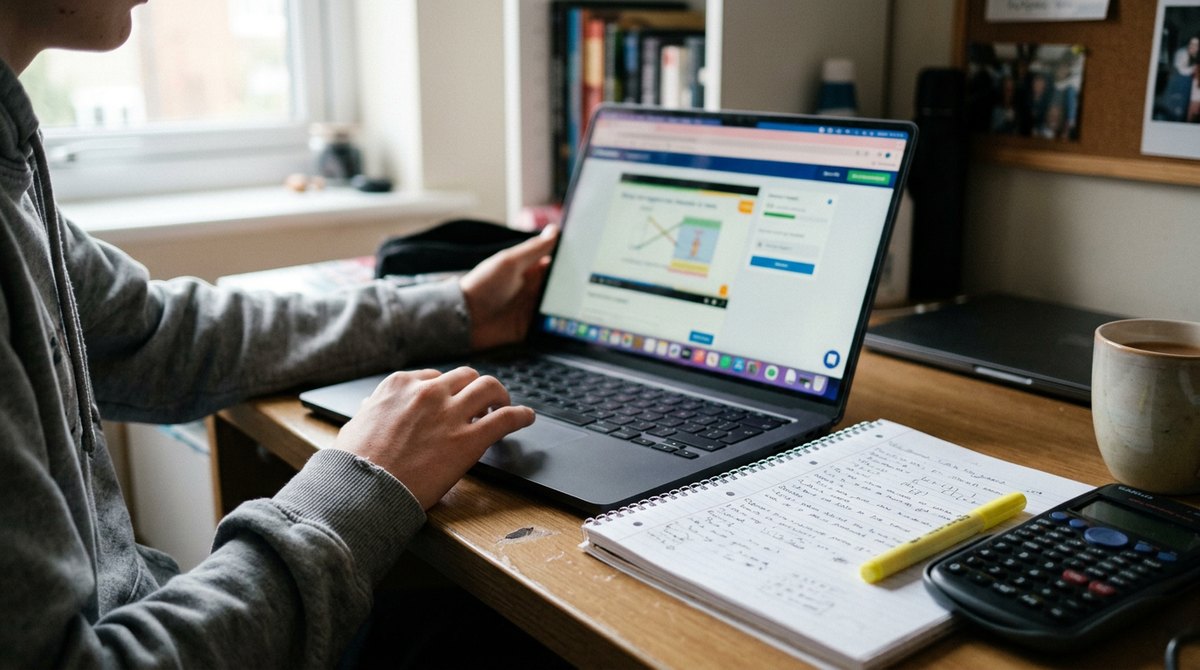
You log in, work through the lessons in order and test yourself as you go. There are no class times, so it’s flexible enough to fit around the rest of family life and you study at your own pace. Brainy Lemons, Pass Learn and the Oxford Home Schooling subscription all work like this. They suit a student who can keep going without a teacher checking in, especially with a parent nearby keeping an eye on things.
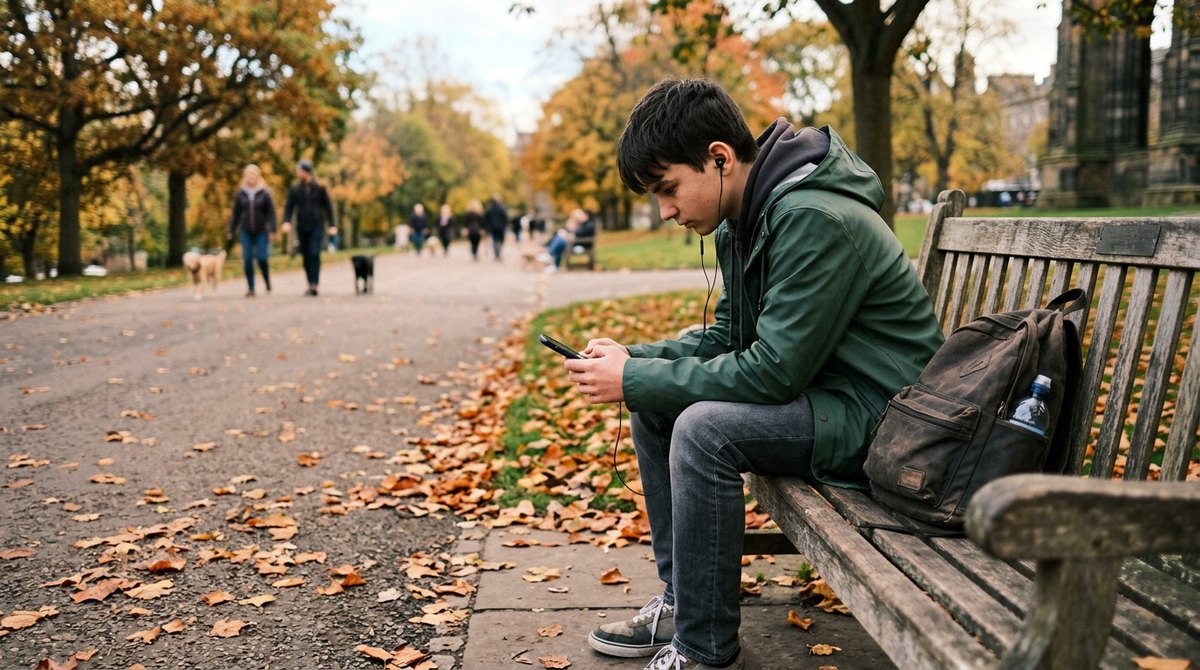
Self-paced study goes where you go, so a spare half hour in the park still counts.
Distance learning with tutor support
Distance learning means you work from study materials at home and send assignments to a tutor. They mark each one and write feedback, so you can see where the marks went. NEC, ICS Learn and Wolsey Hall Oxford all include this tutor support. It’s a good fit if long written answers are the hard part, or if a parent wants an expert view of how their child is really doing.
Live lessons with teachers
A live online school runs a timetable of lessons with teachers, much like a school day on screen. It suits a student who wants a class, a routine and someone to ask in the moment. The fees reflect all of that.
The providers, one by one
Here’s what each website said when we looked. We didn’t study with these companies ourselves, so we’ve kept to the facts they publish.
Brainy Lemons
That’s us, so we’ll keep to plain facts. We have 17 courses across AQA, Pearson Edexcel and Cambridge. Each one follows a single specification, which is the board’s official list of what you need to learn.
Every lesson has a quiz, a quiz show called Lemonaire and a zombie defence game called Last Stand, plus flash cards. One subject is £84, or £10 a month. Two are £154 and three are £210, as our pricing page shows.
There’s no human tutor marking, but every quiz shows the right answer and the reason straight away. An AI assistant can also explain a topic again in a different way.
Oxford Home Schooling
Oxford Home Schooling teaches Pearson Edexcel International GCSEs by subscription. You pay £24.99 to start, which covers the first month, an induction session and a booking fee. Then it’s £14.99 a month, with a six-month minimum. Its Biology course has 23 lessons across five modules. Tutor marking is an extra, at £98.90 for a bundle of 11 marked assignments.
Pass Learn
Pass Learn charges £249 for GCSE Biology, though it was £199.20 in a sale when we looked. You get video lessons, revision notes, practice questions, mock exams and AI-marked activities, with tutors booked separately. Pass also offers 17 Pearson Edexcel International GCSE exams that you sit online from home with a live Pearson invigilator. That could help a student who lives a long way from an exam centre.
Happy to study on your own? Our self-paced GCSE and IGCSE courses follow one specification lesson by lesson, from £84 a subject.
Find your course →ICS Learn
ICS Learn lists International GCSE Biology at £355 (£320 on offer when we checked), or you can spread it from £46 a month. Practice tests are marked by your tutor and there are live webinars too. Support on that subject runs until the summer 2028 results, with exam sittings in November 2027 or May and June 2028.
NEC
The National Extension College (NEC) charges £470 for GCSE Psychology. You can pay in one go or put down a £47 deposit and pay £35.25 a month for 12 months at 0% interest.
You get 24 months of tutor guidance and 10 tutor-marked assignments. NEC also guarantees you an exam place, though the exam fees are extra. Its GCSE Psychology page reports a 75% pass rate at grades 9 to 4 in 2026.
Wolsey Hall Oxford
Wolsey Hall Oxford is an online home education college with tutors. Its fee calculator lists IGCSE Biology at £900, which covers up to two years of study, plus a £95 registration fee per student. Bundles bring the fee per subject down. Its eight-subject GCSE level package, for example, is £6,245 paid in full. There’s no trial, but you can look at course samples and there’s a 45-day window to change or cancel after you start.
King’s InterHigh
King’s InterHigh is a UK online school with live lessons. For the GCSE years (ages 14 to 16), the 2026/27 annual contract is £7,250 a year, or £1,590 a half term on a rolling contract, plus a £100 registration fee. That pays for teachers, a library of lesson recordings and a pastoral team. It’s the closest thing to school without the school building.
Oak National Academy and BBC Bitesize
Oak National Academy has key stage 4 lessons (Years 10 and 11) at no charge, sorted by board and tier for sciences such as chemistry. BBC Bitesize costs nothing too and is handy for quick revision.
Neither gives you a full plan up to the exam, but both make a useful top-up alongside anything you pay for (our guide to the best GCSE revision apps has more ideas).
What about GCSE Maths and English?
Many sixth forms and colleges ask for five GCSEs at grade 4 or above, often including English and maths, so these two tend to come first. Several of the providers above teach them.
- Pass Learn: GCSE Maths and GCSE English Language
- ICS Learn: GCSE Maths, International GCSE English Language and GCSE English Literature
- NEC: GCSE English Language and English Literature
- Oxford Home Schooling: International GCSE English Language and English Literature
Maths and English aren’t on our own list yet. So you’d pair a Brainy Lemons subject with another provider for those. GCSE Maths has two tiers (Foundation and Higher), so decide early which one you’re aiming for.
What one online GCSE subject costs
Tutor-marked courses charge £355 to £900 a subject, against £84 to £249 for self-paced ones. So the real question is whether you need someone to mark your answers, or whether instant feedback on practice questions is enough.
Taking several subjects? The gap grows quickly. A full timetable of live lessons is a different kind of spend altogether, at £7,250 a year for King’s InterHigh.
Which is the cheapest online GCSE course?
Oak National Academy and BBC Bitesize come first, as they charge nothing. Of the full paid courses we checked, Brainy Lemons is the cheapest at £84 a subject. That drops to £70 each when you take three for £210.
Oxford Home Schooling can come out low too if you finish quickly, as its six-month minimum works out at just under £100 before any marking. Whichever you pick, budget for the exam fee on top.
How to choose the right one
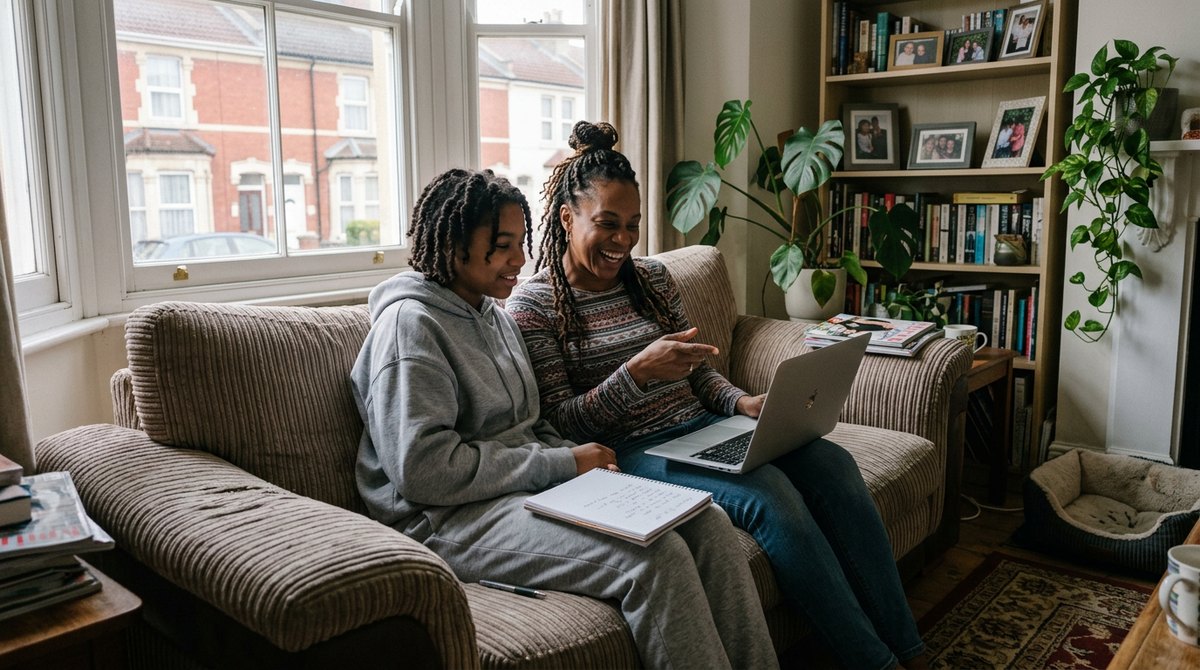
Choosing together helps, as the student knows how they like to learn and the parent knows the budget.
Match the board and the specification
Every GCSE is set by an exam board such as AQA or Pearson Edexcel. Each board publishes its own specification with a code. What you study and the exam you sit must match. A good provider names the code up front, as our AQA GCSE Psychology online course does with 8182.
Then check your exam centre offers that exact exam. Studying for the wrong board can leave you learning topics you’ll never be asked about.
Decide who checks your work
If your child writes well and mainly needs to learn and remember the content, quizzes with instant feedback may be all the help they need. If they struggle with longer answers, paying for a tutor is often money well spent.
Ask about practicals and fieldwork
Some subjects have parts that are harder outside school. GCSE sciences include required practicals and GCSE Geography needs fieldwork, so ask how the provider and your exam centre handle them. Many home educated students choose International GCSEs for this reason, as many are assessed by written exams only. Our guide to online GCSE courses for home educated teens goes into this in more detail.
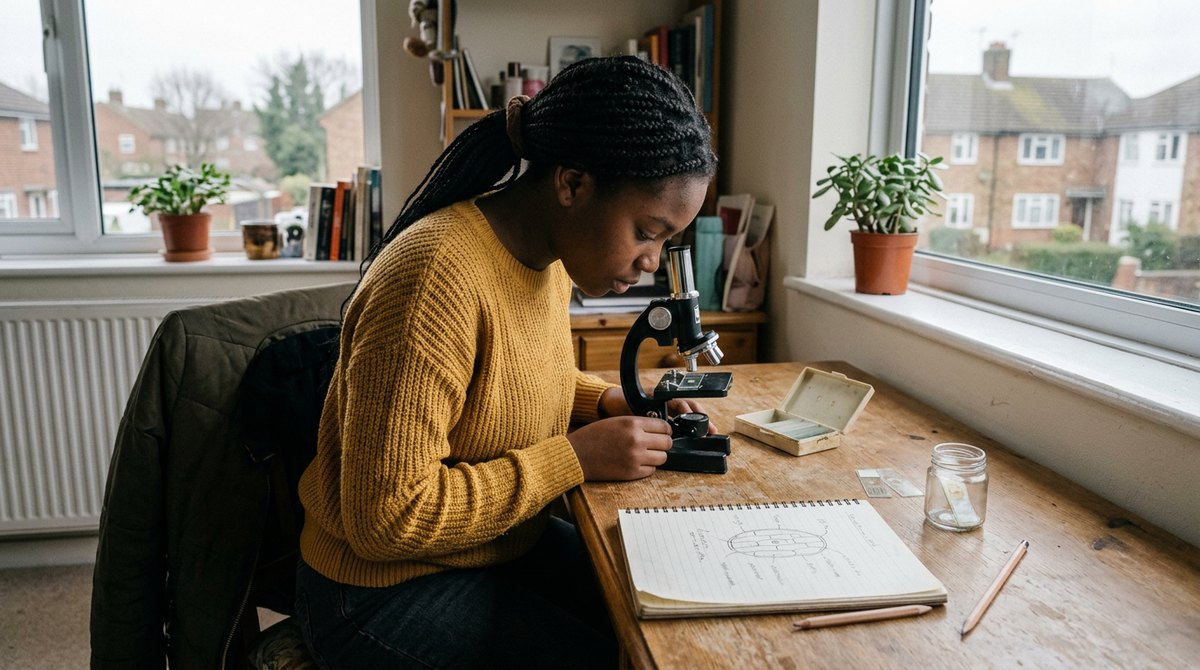
A simple microscope at home makes cell topics real, but check how your exam centre deals with practicals.
Try it before you pay
Wolsey Hall Oxford has course samples and the first three lessons of every Brainy Lemons subject are open to try. You could start with the seven life processes in our online IGCSE Biology course and see whether the style suits you.
- It names the exam board and specification code
- You’ve found an exam centre that takes private candidates for that exam
- You know who marks practice answers: a tutor, AI or instant quiz feedback
- You’ve asked how practicals, fieldwork or speaking tests are handled
- You know how long access lasts and whether there’s a minimum term
- You’ve added the exam fee to the total
- You’ve tried a sample lesson
Exams aren’t included
Not one of these fees covers the exam. If you’re not at school, you sit GCSEs as a private candidate. That means you book a place at an exam centre that accepts private candidates and pay the fee to them.
JCQ, the group that sets the rules for UK exams, lists centres that take private candidates. Book early, because centres set their own deadlines months before the summer exams. Our guide to private GCSE exam fees sets them out by board.
Your grade comes from the board, not the provider, which is why an online GCSE is a recognised qualification for sixth forms, colleges and universities, just like one taken at school. GCSEs and International GCSEs are both Level 1/2 qualifications.
Where Brainy Lemons fits
We built Brainy Lemons for students who are happy to study online on their own, with a parent keeping an eye on how it’s going. Each course teaches the whole specification in short lessons, in the same order the board sets it out.
- A quiz on every lesson, with the right answer and the reason straight away
- Lemonaire and Last Stand, where you only win by knowing the answers
- Flash cards to keep older topics fresh
- A timetable that plans every week up to your finish date, with time left to revise
- Progress a parent can see, without needing to know the subject
Reading something once isn’t enough to remember it in an exam, so every lesson ends with practice. Our flash cards add a Daily Recap on top, so older topics come back before you forget them. You can see the style straight away. Try encoding, storage and retrieval from GCSE Psychology, atoms, elements and compounds from our online GCSE Chemistry course or what sociology is from GCSE Sociology.
On the IGCSE side, there’s business objectives in Business, the river journey in Geography and Earth as a planet in Marine Science.
And if your child would rather have a tutor mark their essays, a tutor-marked course is the better fit. That’s a fair choice. Our 3D learning games still make a good extra alongside it.
Online GCSE course questions
Are online GCSEs recognised by colleges and universities?
Yes. You sit the same exam as a student in school and the grade comes from the exam board, so the qualification is exactly the same. The certificate doesn’t say how you studied.
Can you do GCSEs online without paying for a course?
You can learn with Oak National Academy and BBC Bitesize at no charge, though neither gives you a full plan to the exam. The exam itself still has a fee, which you pay to the exam centre.
What’s the best self-paced online IGCSE course?
Look for one that follows your exact Pearson Edexcel or Cambridge specification, tests you after every lesson and helps you plan your weeks. Brainy Lemons, Oxford Home Schooling and Pass Learn all let you work at your own pace.
Do online GCSE courses include the exam?
No. None of the providers we checked include the exam fee. You book the exam yourself at a centre that accepts private candidates, although NEC guarantees you an exam place.
How long does an online GCSE take?
In school a GCSE usually takes two years. Many online students take one to two. NEC suggests 120 to 150 study hours for GCSE Psychology and gives 24 months of tutor guidance.
Can you sit GCSE exams online from home?
Pass Learn says you can sit 17 Pearson Edexcel International GCSEs online from home with a live Pearson invigilator. Most GCSE exams are still sat on paper at an exam centre.
Is a live online school better than self-paced study?
Not better, just different. Live lessons give you teachers and a timetable for a much higher fee. Self-paced study suits a student who’s happy to work on their own and wants to keep the fees down.
An online GCSE course that follows your specification
Short lessons for one exam board and one specification, with practice built into every lesson, from £84 a subject.
- Short lessons written for one exam board and one specification
- A quiz, a quiz show and a zombie defence game on every lesson
- Study on any device: phone, tablet or laptop
The first 3 lessons of every course are free. No card needed.