 By the Brainy Lemons team

To book a GCSE exam privately, choose your exact exam board and specification, find an exam centre that takes private candidates, then fill in its application form and pay. The centre makes the entry with the board for you. For June 2027, the GCSE entry deadline is 21 February 2027.
If you’re home educated or studying online, nobody enters you for your exams automatically. That job falls to you and your family, which can feel daunting the first time round. The good news is that it follows the same few steps every year.
Read on for each step of booking a GCSE exam as a private candidate. We’ll also cover every key date for the summer 2027 exam series, what booking late really costs and how to ask for extra time.
At a glance
- A private candidate sits exams at an approved exam centre without being enrolled there
- You apply and pay, then the exam centre enters you with the board
- June 2027 GCSE entry deadline: 21 February 2027 (centres often close earlier)
- Booking late costs double or more
- Access arrangements must be processed by 21 March 2027
- Exams run from Monday 10 May to Friday 18 June 2027, with a spare day on 23 June
- Results day: Thursday 19 August 2027
Who counts as a private candidate?
You’re a private candidate if you sit your exams at an approved school or college without being a student there. The Joint Council for Qualifications (JCQ) sets the examination rules for AQA, Pearson Edexcel, OCR and WJEC. It says that includes anyone learning with a private tutor or through distance learning.
So if you learn at home, take an online course or teach yourself from the specification, this is you. You’ll sit the same papers as everyone else and earn exactly the same GCSE.
How to book a GCSE exam as a private candidate
You can’t book a GCSE straight through an exam board. JCQ says you make your own entries through an exam centre and pay its fees, then the school or college enters you with the board. So the whole process is about choosing the right papers and getting them to the right place in time.
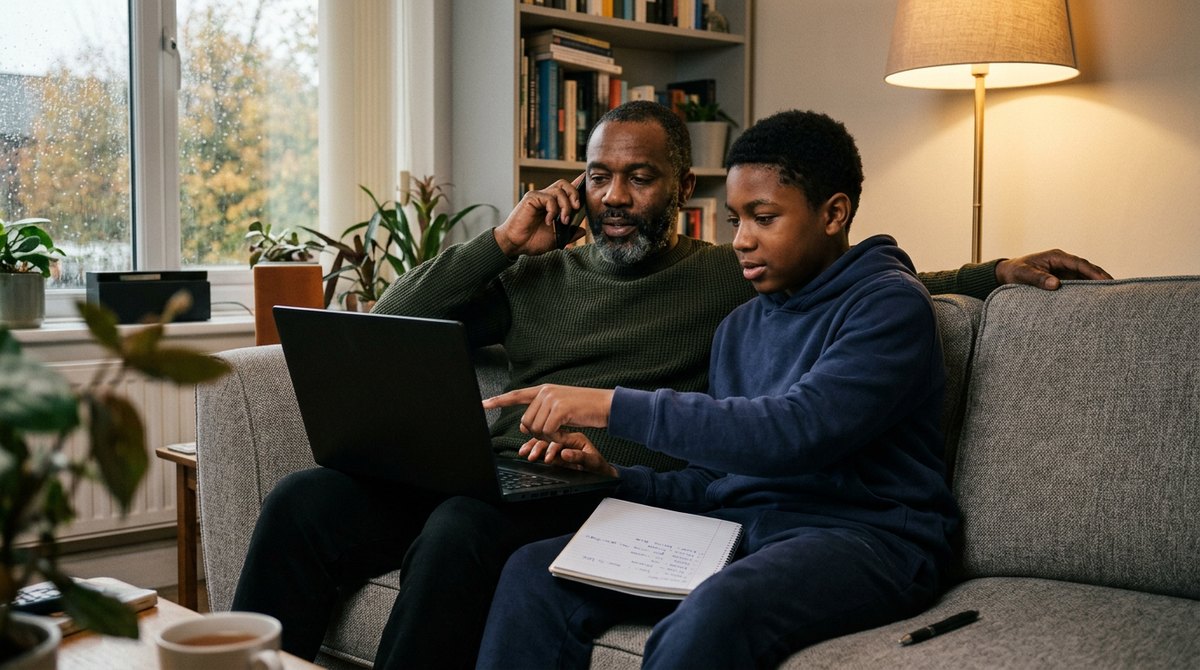
Most families ring two or three exam centres before they choose one, so start in the autumn.
Step 1: Pin down the exact specification
An exam centre can only enter you for one particular qualification, so you need more than the subject name. Write down the exam board, the specification code and the title of each course you’re studying. You’ll find them on the front of the board’s own specification.
Some GCSEs come in two tiers as well. AQA GCSE Maths, for example, has the code 8300 and two entries: 8300F for Foundation tier and 8300H for Higher. Foundation papers can lead to grades 1 to 5 and Higher papers to grades 4 to 9, so decide which suits you before you apply.
GCSEs and International GCSEs (IGCSEs) are separate qualifications with different codes, even in the same subject. If you’re studying the Edexcel International GCSE Biology course, starting with the life processes, make sure you’re entered for that and not the GCSE.
Step 2: Check for coursework, practicals and speaking tests
Some subjects include non-exam assessment (NEA). That’s assessed work done away from the written papers, such as coursework, a speaking test or required practicals. It has to be supervised where you sit, so check that the college will run it before you pay. Plenty won’t, which we cover in more detail below.
Step 3: Shortlist centres that take private candidates
The JCQ website has a search tool that lists approved examination centres by distance from your postcode. When we checked, 190 had confirmed they’d accept private candidates this year. The list is only updated each December or January, so ring before you rely on it.
It pays to look further than the list. AQA’s private candidates page says finding a place can take time, as not every school or college can take outside students. Our guide to finding a GCSE exam centre as a private candidate shows where else to look and what to ask.
Step 4: Fill in the application form
Every exam centre has its own form, but most ask for the same things. Gather them before you start and tick each one off as you find it.
- Your full legal name, exactly as it appears on your photo ID
- Your date of birth, address, phone number and email
- The exam board, specification code and title for every subject
- The tier for each tiered subject (Foundation or Higher)
- Your unique candidate identifier (UCI) and unique learner number (ULN), if you’ve sat exams before
- A current passport or photo driving licence
- Details of any extra time, rest breaks or other support you need, with any evidence you can share
- A way to pay
Don’t leave out the support you need. JCQ’s rules say a private candidate must ask for access arrangements when they apply, so the form will usually ask about them.
Booking your exams for June 2027? Our online GCSE and IGCSE courses follow one exam board, lesson by lesson. Try the first three lessons free.
Find your course →Step 5: Pay before the college’s own cut-off date
The board’s deadline isn’t the one that matters most. Each exam centre sets its own, often weeks earlier. The popular ones fill up first. Hills Road Sixth Form College in Cambridge, for example, opens its summer 2027 applications in November and says many subjects close by Christmas.
You pay the college or school, not the board. Its charge covers the board’s entry fee plus the room, the invigilators and the admin, so it’s always more than the board asks. Our guide to how much GCSEs cost for home educated students breaks down what families really pay.
Step 6: Check your statement of entry
Once you’re entered, you’ll get a statement of entry. It lists your candidate number and every paper you’re sitting, with its date and session, so you can match it against the examination timetable. JCQ asks you to check it carefully. Look closely at your name, each code and each tier.
Spot a mistake? Tell the exams officer (the person who runs the entries) straight away. Both AQA and Pearson Edexcel charge extra for tier changes from 22 April 2027. Centres usually pass that cost on to you.
Step 7: Get ready for exam day
If the staff don’t know you, JCQ says you must show original photo ID, such as a passport or photo driving licence, to prove you’re the person who was entered. Take it to every paper along with your statement of entry.
Keep 23 June 2027 free as well. It’s the national contingency day, used only if examinations are badly disrupted and a paper has to move.
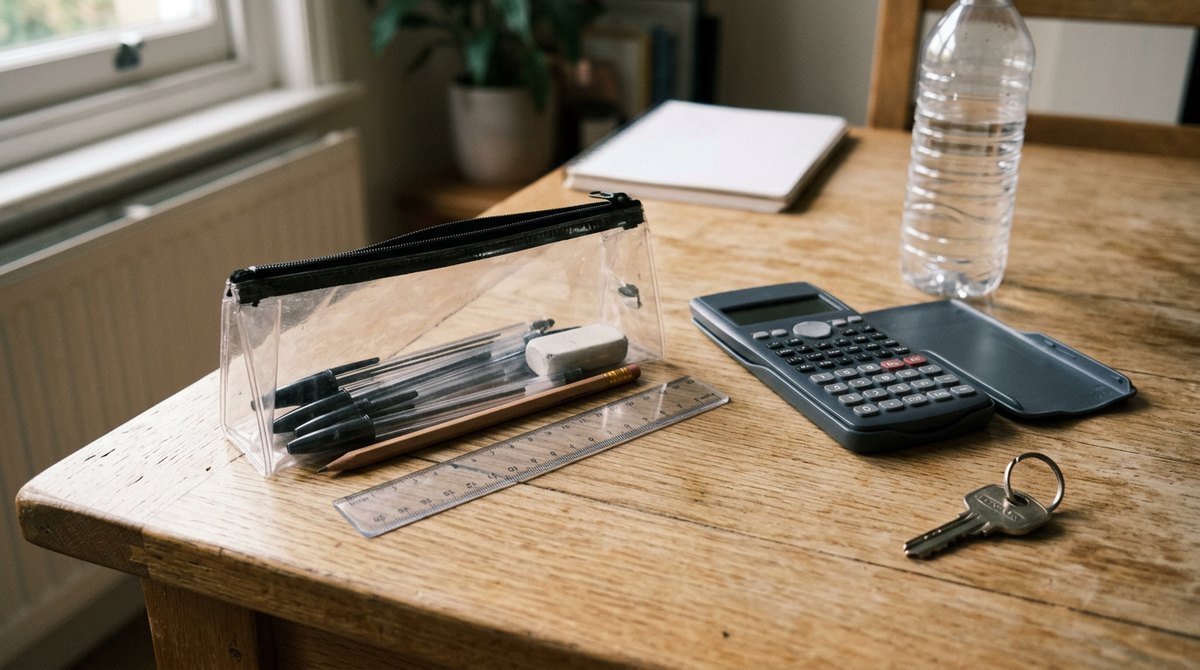
Pack a clear pencil case, spare black pens and anything your papers allow the night before.
Which GCSE subjects are easiest to book?
Subjects marked only by written papers can be sat at almost any exam centre that welcomes outside students. These are usually the simplest:
- Maths, History, Psychology and Sociology GCSEs
- Most Edexcel International GCSEs, including the sciences, which test practical skills inside the written papers
These need a college that can supervise or sign off the extra assessment, so the list of places shrinks fast:
- GCSE English Language, which has a spoken language endorsement
- GCSE sciences, with their required practicals
- Geography, which includes fieldwork
- French, German and Spanish, with a speaking test
- Art and Design, which is assessed through a portfolio and a set task
NEA has to be supervised and signed off where you’re entered, not by a tutor at home. If you can choose, a written-only course makes booking far easier.
GCSE entry deadlines for June 2027
Here are the dates that matter for the summer 2027 exam series. They come from the JCQ key dates for June 2027 and the boards’ own guides. Remember that your college’s deadlines will fall earlier.
| Date | What happens |
|---|---|
| 20 November 2026 | Boards release the June 2027 entry details to centres |
| 31 January 2027 | Last day to order modified papers, such as large print or braille |
| 21 February 2027 | GCSE entry deadline |
| 22 February 2027 | Late charges start |
| 21 March 2027 | Deadline for processing access arrangements |
| 22 April 2027 | Higher late charges and charges for tier changes start (AQA and Pearson Edexcel) |
| 10 May 2027 | First GCSE exam |
| 18 June 2027 | Last GCSE exam |
| 23 June 2027 | Contingency day |
| 30 June 2027 | Deadline for special consideration requests |
| 19 August 2027 | GCSE results day |
WJEC sets its own dates for its Welsh GCSEs, so check its website if you’re sitting those.
What does a late entry cost?
Miss the deadline and the board’s charge climbs in two jumps. Here’s what two of the biggest boards charge a UK centre for one GCSE Maths entry, depending on when it reaches them.
A very late Pearson entry costs three times the normal amount. AQA doesn’t refund its late charges either. Centres pass these on and some add their own, so booking before Christmas really is the cheapest way to do it.
Can you get extra time as a private candidate?
Yes, if you qualify. Access arrangements are changes that help you show what you know without making the exam easier. Think extra time, rest breaks, a reader, a scribe or a computer instead of handwriting. They’re for students with a disability, a learning difficulty or a temporary injury.
For a private candidate, the exam centre runs the whole process. JCQ’s access arrangements rules say its own appointed assessor must assess you, sometimes away from the college. A private tutor can’t put arrangements in place for you and everything has to be approved before the exam.
This takes time, which is why it pays to raise it in your very first email. JCQ’s processing deadline for June 2027 is 21 March, but centres set earlier ones. Nottingham College, for example, takes requests for summer 2027 assessments until 29 January 2027 and charges up to £250 for the assessment.
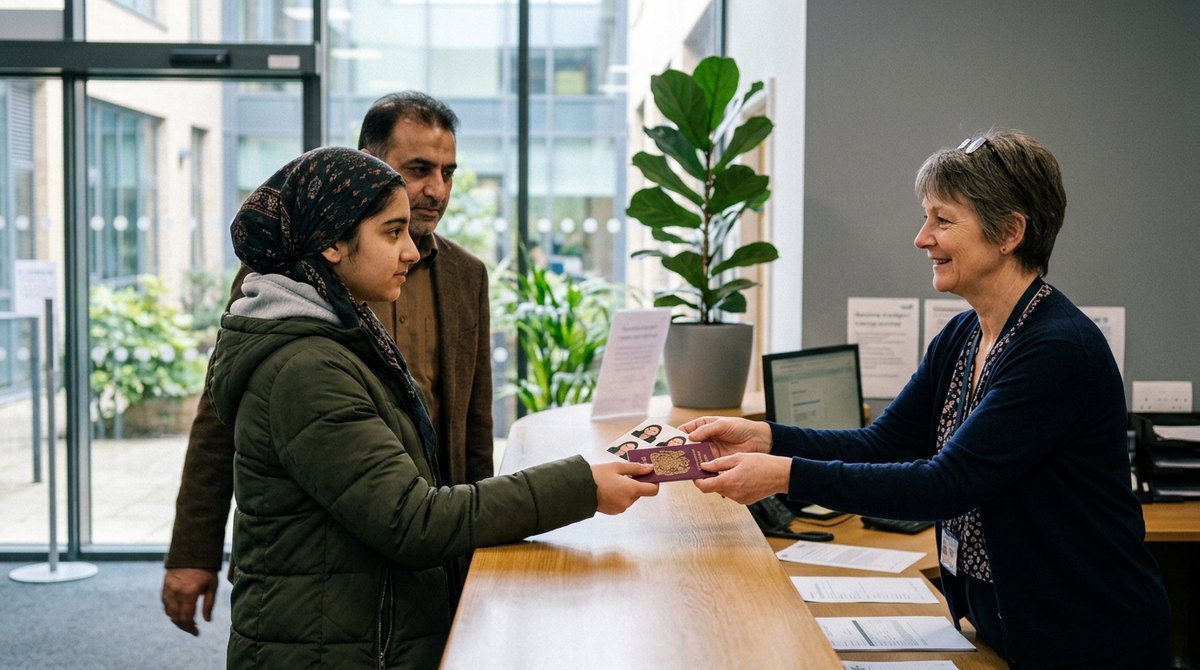
If the staff don’t know you, you’ll show photo ID when you register and at every paper.
Ill on the day? Ask about special consideration
Something different applies if you’re ill or something goes wrong on the day of an assessment. That’s called special consideration. JCQ asks you to contact the exams officer where you sat the paper as soon as you can, ideally on the day of the exam.
When is GCSE results day 2027?
GCSE results come out on Thursday 19 August 2027, a day after your exam centre receives them. Ask how it shares them, as some ask you to collect in person and others send them by email.
Getting your certificate
Your certificate takes longer. Pearson, for example, says its June 2026 certificates will be issued by November 2026, so you’ll usually collect yours in the autumn. Keep your UCI safe too, as you’ll need it if you ever sit more exams.
Your grades are exactly the same qualification as any school student’s. Colleges, sixth forms and employers treat them in just the same way.
Studying for your exams with Brainy Lemons
Booking your GCSE exams is the admin. The bigger job is learning the whole course. That’s where we can help.
Brainy Lemons runs online GCSE and IGCSE courses for students learning at home. Each one follows one exam board and one specification, in short lessons. Every lesson ends with a quiz, the Lemonaire quiz show and a zombie defence game. It all works on a phone, tablet or laptop.
Written-only courses are the easiest to book as a private candidate. Popular choices include the AQA GCSE Psychology online course, the AQA GCSE Sociology online course and the Edexcel IGCSE Business online course. For a science with no separate practical session, try the Edexcel IGCSE Biology online course. If you’ve found a college that runs the practicals, there’s the AQA GCSE Chemistry online course too.
You can try the first three lessons of any course free, with no card needed. Why not start with how memory encodes, stores and retrieves information, what sociology is and how sociologists study society or the objectives businesses set? Chemistry’s first lesson on atoms, elements and compounds is free as well.
Planning the bigger picture? Our step-by-step guide to how home educated students do GCSEs covers choosing subjects and boards. Our page for GCSE private candidates shows how the courses fit around your exams.
Booking a private GCSE exam: FAQs
Can I book a GCSE exam directly with the exam board?
No, exam boards only take entries from approved centres, so you apply to a school, college or exam centre and it enters you. You pay the centre, which pays the board.
When should I book my GCSE exams for June 2027?
Start ringing round in the autumn and aim to have everything booked and paid for by Christmas. The boards close entries on 21 February 2027, but many centres close well before that.
What happens if I miss the entry deadline?
You can usually still be entered, but it costs more. From 22 February 2027, AQA adds a late charge equal to the entry fee and Pearson Edexcel doubles its fee. From 22 April, AQA’s very late charge takes it to two and a half times the fee and Pearson’s to three times. A college may also say no once it’s full.
Can I change from Foundation to Higher tier after booking?
Yes, through the exams officer, as early as you can. Don’t leave it late. AQA and Pearson Edexcel both charge for tier changes from 22 April 2027.
Can I sit GCSE exams privately from abroad?
JCQ says private candidates can only sit GCSEs in the UK. If you live overseas, International GCSEs are usually the answer, as you can often sit them as a private candidate at an approved international school.
What ID do I need on exam day?
If the staff don’t know you, bring an original photo ID, such as your passport. You’ll show it at every paper, so keep it with your statement of entry.
Booked your GCSE exams? Get ready for every paper
Online GCSE and IGCSE courses for students learning at home, following the exam board specification lesson by lesson.
- Short lessons written for one exam board and one specification
- A quiz, a quiz show and a zombie defence game on every lesson
- Study on any device: phone, tablet or laptop
The first 3 lessons of every course are free. No card needed.