 By the Brainy Lemons team
Doing GCSEs at home usually costs about £300 to £420 a subject if you learn with an online course and sit the exam as a private candidate. Free lessons bring it down to about £220 to £335. Most of the bill is the exam itself, at around £210 to £325 a subject.
That’s the full home education GCSE cost for one subject: the teaching, a revision guide and the exam entry. Tutoring and online schools cost a lot more, so we’ve priced those too, with real figures and dates.
Want the exam fees centre by centre? Our guide to how much GCSEs cost for home educated students goes into every fee and deadline. Here we look at the whole budget, then add it up for a typical five-subject plan.
At a glance
- Centre fee: about £210 to £325 (four London centres, summer 2027)
- The board’s share: about £52 to £69 of that (Pearson Edexcel, 2026/27)
- A GCSE science with practicals: £455 at Exam Centre London, against £215 written only
- Revision guide: about £7.50 (CGP, November 2026)
- Teaching: free, £84 for a full online course or around £46 an hour with a tutor
- June 2027 entry deadline: 21 February 2027 (centres set earlier dates)
What does it cost to do GCSEs at home?
Every subject comes with three costs. There’s the teaching, whether that’s free learning resources, a course or a teacher. Then there are books, which can cost very little. Last comes the exam itself, which your family books and pays for as a private candidate (a student entered by a centre that isn’t their own school).
Schools pay their own students’ fees, so most families only meet this bill once they start home educating. The good news is that you decide how much to spend on the first two. The GCSE exam is the one cost you can’t skip if your child wants the qualification.
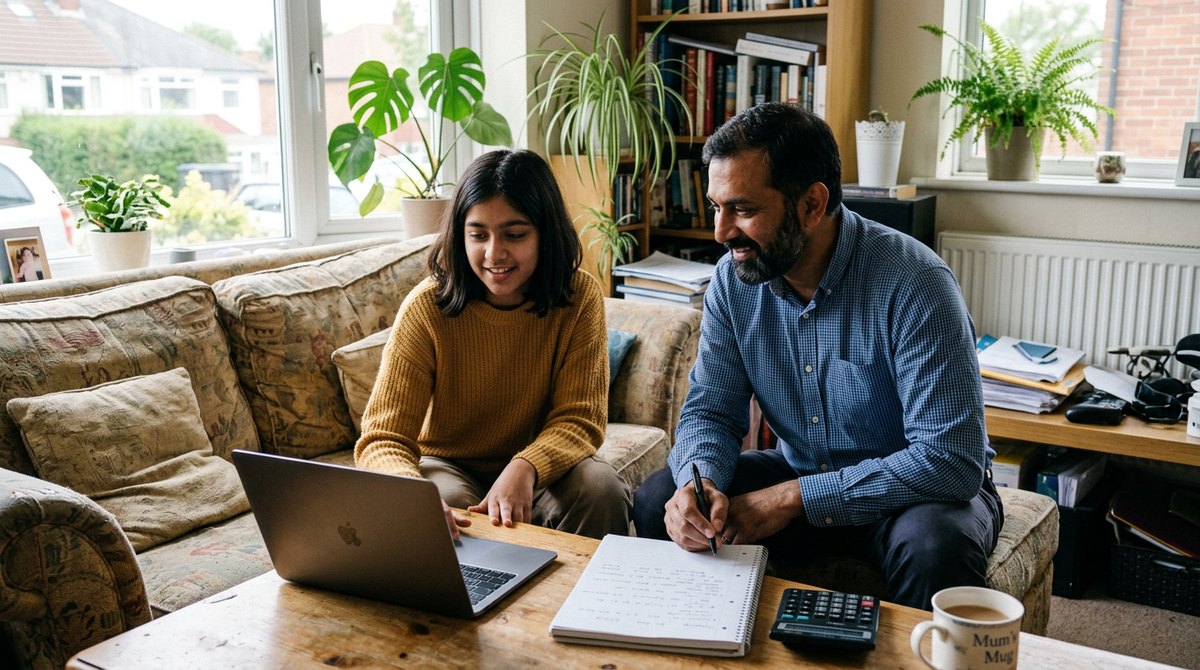
Many parents plan the budget with their children a year or so before the exams.
Children in the UK don’t have to take GCSEs at all. Many still do, though, because colleges and A level courses usually ask for them. Universities look at GCSE results too, so they can shape your child’s plans for years.
Home education GCSE cost per subject: four budgets
Here’s what one subject costs on four common routes. The centre fee stays the same however you learn, so the teaching is where budgets really split apart.
| Cost | Free lessons | Online course | Weekly tutor | Online school |
|---|---|---|---|---|
| Teaching over two years | £0 | £84 | £3,496 | £1,813 |
| Revision guide | £7.50 | £7.50 | £7.50 | £7.50 |
| Centre fee (written papers) | £210 to £325 | £210 to £325 | £210 to £325 | £210 to £325 |
| Total | £218 to £333 | £302 to £417 | £3,714 to £3,829 | £2,031 to £2,146 |
The tutor column uses Tutorful’s UK average of £46 an hour for GCSE maths (October 2026), for one lesson a week over 38 weeks per year. The last column shares King’s InterHigh’s £7,250 a year GCSE package for 2026/27 evenly across its eight subjects. Centre fees come from four London centres’ summer 2027 price lists.
Learning: free, low cost or full price
Free learning resources
You can learn a lot for nothing. BBC Bitesize has GCSE revision for most subjects. Oak National Academy’s lessons run right up to key stage 4, the GCSE years. Each board also puts its specification (the official list of what’s tested) online, with many past papers and mark schemes.
This approach works well for a confident, organised child. The catch is that nobody has matched these resources to your exact syllabus, so you or your parents need to plan the course and check nothing’s been missed.
An online course
A course written for one board’s specification does that planning for you. Ours costs £84 for a full course, or £10 a month for 12 months. You keep access right through to your exams. Two courses cost £154 and three cost £210, which brings each course down to £70.
You can try before you pay. The first three lessons of every course cost nothing, starting with lessons like the seven life processes in Edexcel IGCSE Biology.
Is a tutor worth it?
A tutor gives one-to-one support, which is brilliant for a topic that just isn’t clicking. It’s also the dearest way to learn a whole course. Our guide to what a GCSE tutor costs found an average of £46 an hour, so a weekly lesson for a full year comes to about £1,748 per subject.
Lots of families mix the two. They use a course for the content, then book a few tutoring sessions for the trickiest topics.
Live online classes
Live online schools teach timetabled classes, a bit like school on a screen. King’s InterHigh charges £7,250 a year for its 2026/27 GCSE package of eight subjects, plus a £100 registration fee. It suits families whose children want a full timetable run by someone else, but it’s by far the most expensive route.
Want every topic covered without paying tutor rates? Our online courses follow one board’s specification, lesson by lesson, from £84.
Find your course →Do you need textbooks?
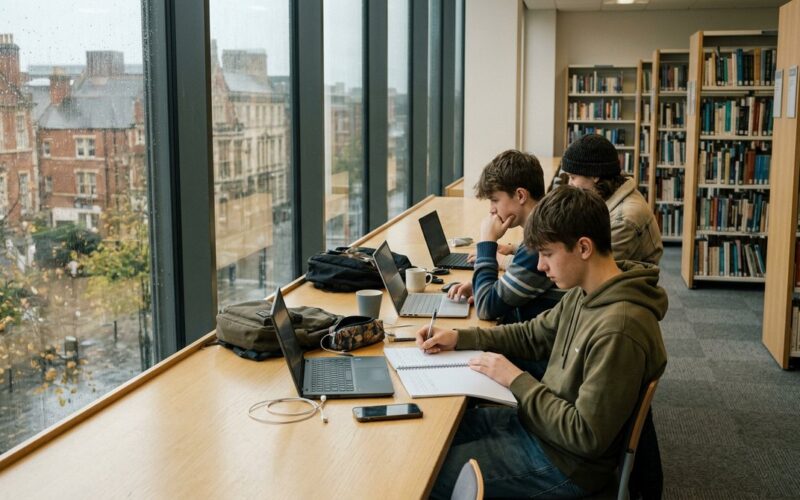
Not many. Lots of students get by with one good revision guide per subject and a stack of old exam papers.
As a guide to prices, CGP sells its AQA GCSE Biology Higher revision guide for £7.50 and its Complete Revision and Practice book for £13.75 (CGP website, 7 November 2026). Full student textbooks cost more. Libraries and second-hand sellers can bring the cost right down, but check that any book matches your board and the current specification.
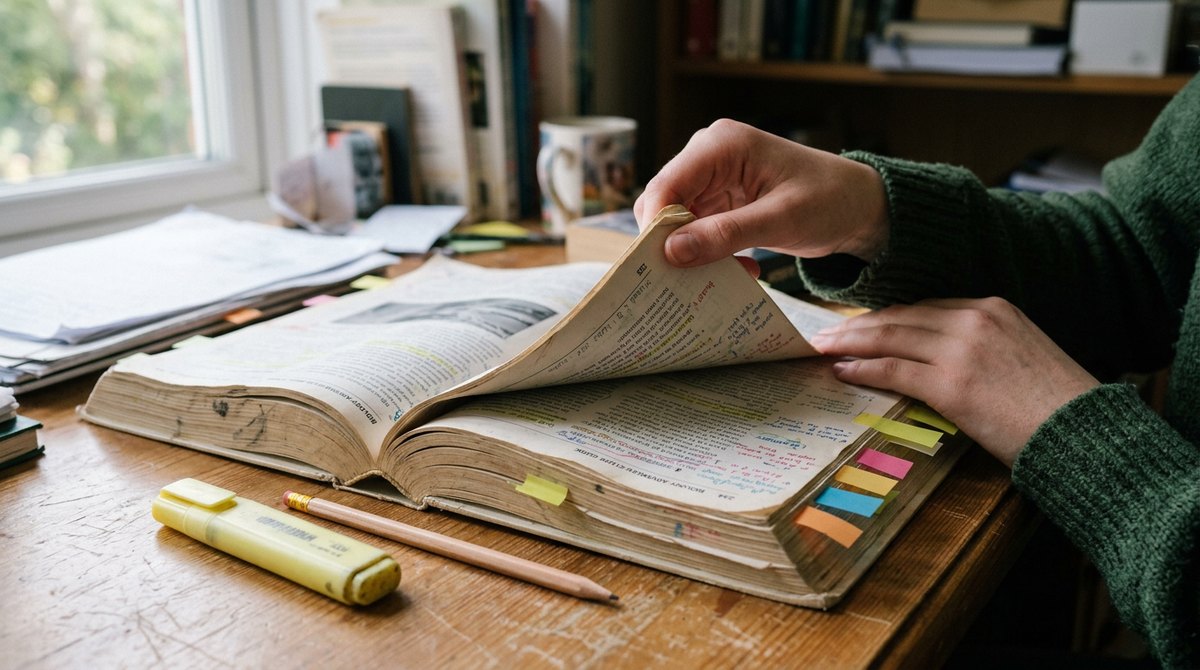
A second-hand revision guide can save money, as long as it matches your board and specification.
Exam fees: the biggest single cost
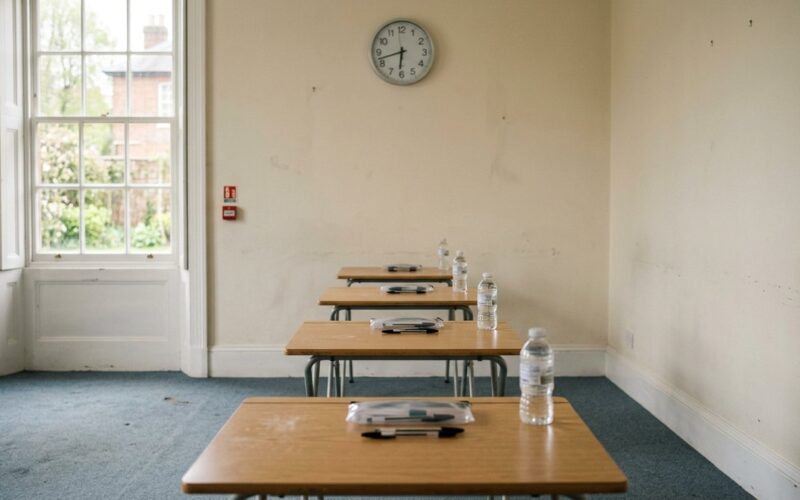
For UK families, this is where most of your money goes. You can’t enter yourself, so you book through a centre, which pays the board and then charges you. The price is really two fees in one: the board’s entry fee and the centre’s own charge for the room, the invigilators (the staff who supervise) and the admin.
Those board fees are only part of the bill. At Exam Centre London a Pearson International GCSE in Biology costs £210 in total, so Pearson’s £69.05 is about a third of what you pay.
AQA explains this on its private candidates fees page. Some schools and colleges charge extra admin or accommodation fees, which they set themselves. You pay those to the centre, not to AQA, at the time the entry is made.
Practicals, speaking and other extras
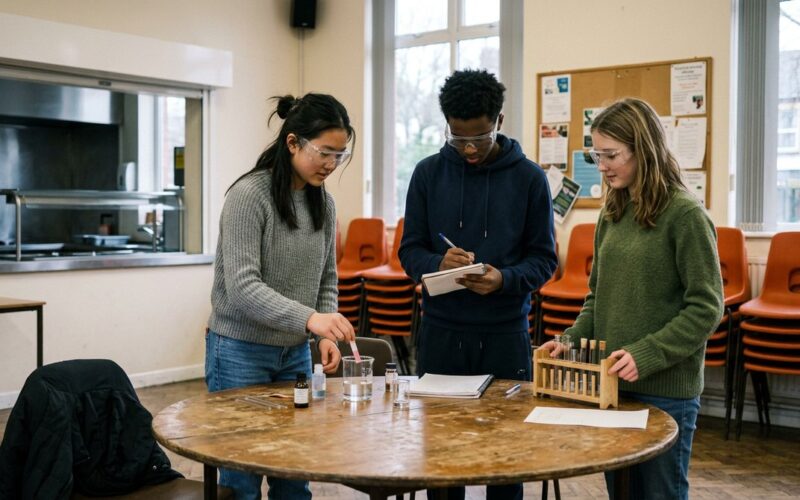
GCSE Biology, Chemistry and Physics have required practicals, which a centre has to supervise in a lab. At Exam Centre London an AQA GCSE Chemistry entry is £215 for the written papers but £455 with practicals. You can see what’s involved in our titration lesson for AQA GCSE Chemistry.
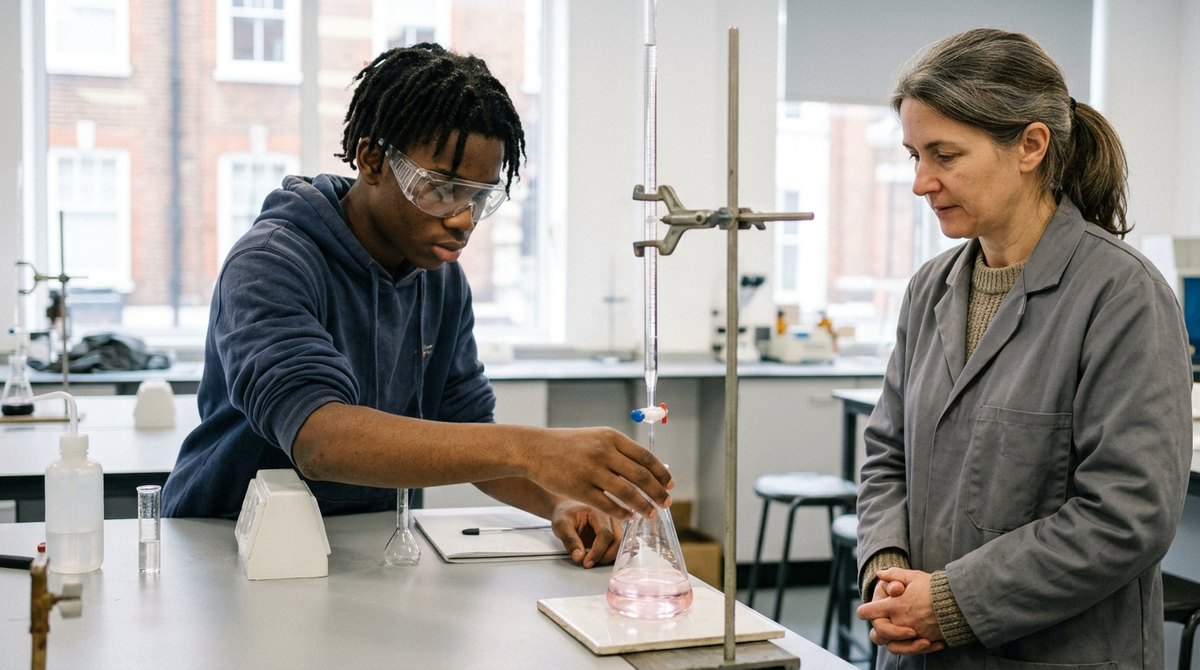
Supervised lab work like this titration is why GCSE Chemistry and Biology cost more at a centre.
Pearson’s International GCSE Biology, Chemistry and Physics test these skills inside the written papers, so there’s nothing extra to book. It’s a big reason home educating families often choose International GCSEs. Other extras to ask your centre about:
- speaking tests in languages and the spoken language task in GCSE English
- access arrangements such as extra time, which may need an assessment you pay for
- travel to the centre for every paper, which adds up if it’s a long way from home
- late fees, as AQA adds 100% of the board’s fee after its deadline and 150% after 21 April 2027
What five GCSEs cost from start to finish
Here’s a real plan, priced up. It’s five Pearson Edexcel International GCSEs, sat in summer 2027 at Exam Centre London and booked before its 15 February 2027 cut-off. Biology, Geography and Business are learned with our courses. Maths and English Language use BBC Bitesize, Oak and a revision guide.
| Subject | Teaching | Revision guide | Centre fee |
|---|---|---|---|
| Maths A | BBC Bitesize and Oak | £7.50 | £230 |
| English Language A | BBC Bitesize and Oak | £7.50 | £210 |
| Biology | £210 for all three courses | £7.50 | £210 |
| Geography | £7.50 | £215 | |
| Business | £7.50 | £220 | |
| Total | £210 | £37.50 | £1,085 |
That’s £1,332.50 for five qualifications over two years, or about £55 a month. Swap the courses for weekly tutoring in each subject and the teaching alone comes to around £8,740 per year.
Choosing courses over weekly tutors is the biggest single way to keep the home education GCSE cost down. The three courses in this plan are our online IGCSE Biology course, the Edexcel International GCSE Geography course and the Edexcel International GCSE Business course. Business starts with an introduction to business objectives, which you can try straight away.
Help with the cost: funding and support
In most of the UK, families pay for their children’s exams themselves. There’s some funding and support, though, depending on where you live.
- Devon and Cornwall: a University of Exeter project with Exeter College, the two councils and AQA lets young people who aren’t in school sit GCSEs at no charge. The pilot year covered English and maths, with applications open for 2027 (BBC News, 15 April 2026).
- Wales: parents pay for exams, but every council has agreed to accept home educated candidates at an identified centre for WJEC exams. Councils are also encouraged to help where they can (Welsh Government guidance, March 2025).
- England: Department for Education guidance says colleges sometimes take home educated 14 and 15 year olds part-time. An approved course can then be funded through the college. Ask the college whether there’s any charge for your child.
Your council’s home education team is worth a call too. They’ll know what’s on offer locally.
How to keep the bill down
A few choices make a big difference to the total, whatever approach you take:
- Take International GCSEs in Biology, Chemistry and Physics, where lab skills are tested on paper.
- Book early, well before the 21 February 2027 GCSE deadline, as centres set earlier dates.
- Spread the exams across two summers, so the cost doesn’t all land in one year.
- Use one revision guide per subject and the boards’ old papers.
- Learn the content with a course and save one-to-one help for the hardest topics.
- Pick a centre you can reach cheaply, as you’ll travel there for every paper.
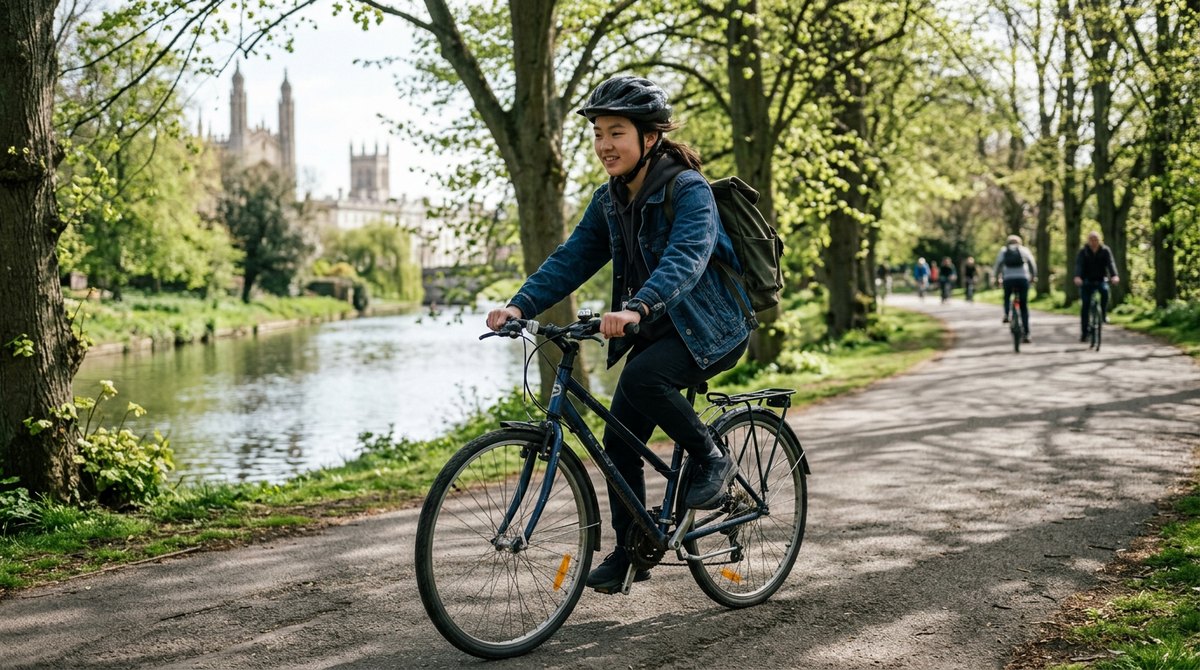
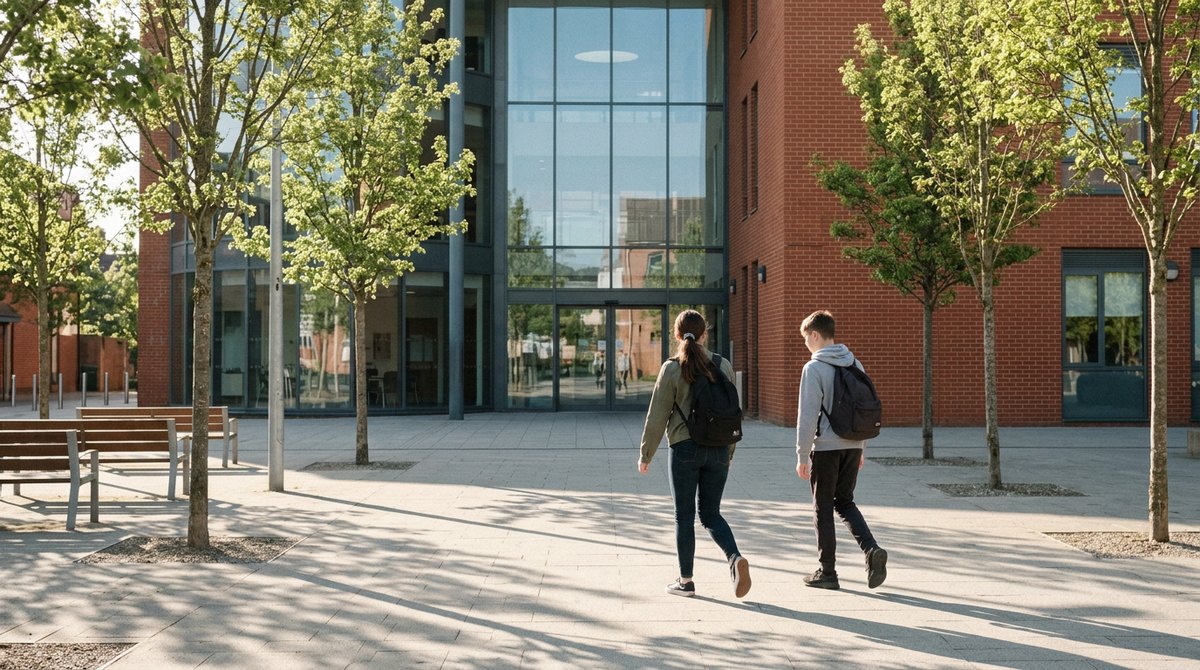
A centre you can cycle or bus to keeps travel costs low across a month of exams.
JCQ lists 10 May 2027 as the first day of the summer exams. Entries close months before that, so start your list now.
- The board and specification code for each subject
- Two or three centres that take private candidates
- Each centre’s full fee, deadline and refund rules in writing
- The extra cost of any lab work, speaking tests or access arrangements
- Travel plans and costs for every exam day
The JCQ private candidates page lists centres that have said they take external students. The list misses some centres, so ring local colleges as well. Our step-by-step guide to GCSEs for home educated students walks you through finding one and booking.
Studying with Brainy Lemons
Brainy Lemons is an online course for students aged 14 to 16, written for one board and one specification at a time. It’s self-paced learning, so there are no live classes to fit around your child’s week.
Every lesson has a quiz, the Lemonaire quiz show and the Last Stand zombie defence game. There are flash cards to revise with too. You can study on a phone, tablet or laptop.
Our courses cover biology, chemistry, geography, business, economics, psychology, sociology, travel and tourism, marine science and environmental management. We don’t teach maths or English at the moment, so pair us with BBC Bitesize or Oak for those.
A course costs £84 (normally £120). Fees for the exams aren’t included, as you pay those to your centre. Have a look at our courses for home educating families, or start with a first lesson in AQA GCSE Psychology on memory or Cambridge IGCSE Geography on the river journey.
GCSE costs at home: your questions
How much does it cost to do GCSEs at home?
About £300 to £420 a subject with an online course, a revision guide and a centre fee, or about £220 to £335 using only free resources. Subjects with lab work cost more.
Are GCSEs free for home educated students?
Not usually, as families pay the centre themselves. A University of Exeter pilot offers GCSEs at no charge to young people not in school in Devon and Cornwall. In Wales, councils run identified centres for families who home educate.
Is it cheaper to take IGCSEs at home?
Often, for Biology, Chemistry and Physics. At Exam Centre London an AQA GCSE Chemistry with practicals costs £455, while a Pearson International GCSE in Chemistry costs £210.
When do you pay for GCSE exams?
When the entry is made. AQA says fees are due at the time of entry. Centres set their own earlier dates before the 21 February 2027 GCSE cut-off.
Do universities accept GCSEs taken at home?
Yes. A GCSE sat as a private candidate is the same qualification, set and marked by the same board, so colleges and universities treat it the same way.
Do Brainy Lemons courses include exam fees?
No. A course costs £84, or £10 a month for 12 months. You pay the centre separately.
Learn every topic at home for less than one exam fee
Online GCSE and IGCSE courses that follow the exam board specification, lesson by lesson, from £84 a course.
- Short lessons written for one exam board and one specification
- A quiz, a quiz show and a zombie defence game on every lesson
- Study on any device: phone, tablet or laptop
The first 3 lessons of every course are free. No card needed.