 By the Brainy Lemons team
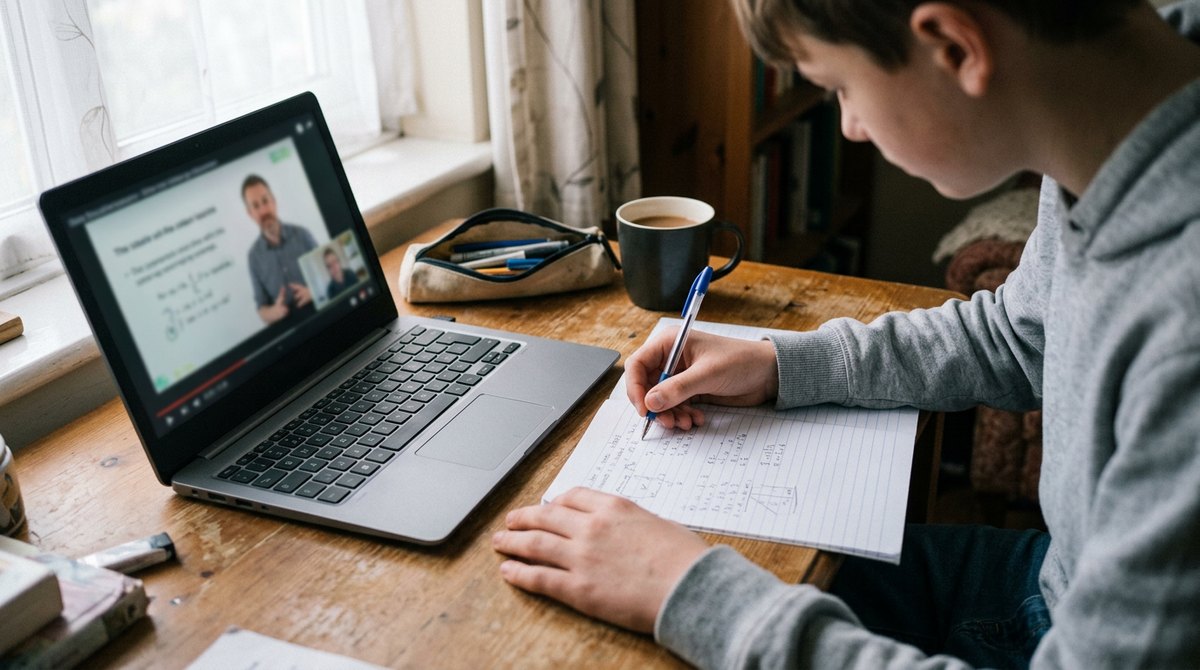
A GCSE tutor in the UK usually costs £26 to £50 an hour in 2026. Tutorful lists average rates of £46 an hour for GCSE maths and £48 for GCSE English. MyTutor tutors charge £26 to £73. One hour a week for a school year comes to about £1,000 to £1,750 per subject.
That’s the short answer to GCSE tutor cost, but the hourly rate is only half the story. Whether you’re a student or one of the parents paying, what matters more is how many lessons you’ll need, in how many subjects and for how long. That’s where the real bill comes from.
This guide uses real, dated prices from named tutoring platforms. It shows what a full year and a full two-year course of tutoring add up to, what changes the price, when a tutor is worth it and the lower-cost ways to get support that most guides leave out.
At a glance
- Average GCSE tutor rate: £46 an hour for maths, £48 for English (Tutorful, October 2026)
- Lowest big-platform GCSE rate: about £26 an hour
- Kip McGrath centres: around £35 a session, in small groups
- One hour a week for 38 weeks at £46: £1,748 per subject, per year
- 29% of secondary pupils have had private tutoring at some point (Sutton Trust, 2026)
- Lower-cost routes: group tutoring, fortnightly lessons, or an online course plus a tutor for the hard bits
How much do GCSE tutors charge per hour?
Most tutors set their own price, so you’ll see a wide spread across the UK. Here’s the average cost on the big tutoring platforms and agencies for GCSE lessons right now. All four are real, published prices.
| Where you book | GCSE price | What you get | Source and date |
|---|---|---|---|
| Tutorful | £46 an hour (GCSE maths average), £48 (GCSE English) | One-to-one online lessons, tutors set their own rate | price guide, 29 Oct 2026 |
| MyTutor | £26 to £73 an hour | One-to-one online, 55 minutes of teaching per hour | help page, 19 Aug 2025 |
| Kip McGrath | Around £35 a session | About 60 minutes in a small group at a centre, maths and English, run by qualified teachers | Kip McGrath, 2026 |
| Students and new graduates on open marketplaces | From about £15 to £35 an hour | Mixed quality, little or no checking | Tutor listings, 2026 |
So a typical GCSE maths tutor or English tutor is in the £40 to £50 range on the big platforms. Prices start at about £20 to £25 and a few specialists charge over £100. The tutoring rate you pay also depends on lesson length: a 45-minute lesson at £46 an hour comes to £34.50.
The level doesn’t change the price much. In maths and English, going from primary level to A-level only adds about £5, so a GCSE and A-level tutor will often charge close to the same rate at either level.
What changes the price of a tutor?
Two tutors teaching the same GCSE course can charge £25 and £75 an hour and five things are behind the difference.
The tutor’s experience and qualifications
This is the biggest one. A university student charges least. A graduate with a degree in the subject charges more, then a qualified teacher (someone with QTS, Qualified Teacher Status) with classroom experience, then an examiner who marks real GCSE exam papers for a board like AQA, OCR or Cambridge.
An examiner knows exactly what the mark scheme rewards. That experience is worth paying for in the final months, but less so when you’re learning a topic for the first time. More qualifications don’t always mean better quality teaching for your child, though: the best tutor is the one they understand.
Online or in person
Online tutoring is usually a little less expensive because the tutor doesn’t charge for travel time. You also get a much bigger choice, since location stops mattering: a family in Cornwall can book the same tutor as a family in Camden.
In-person tutoring suits some students better, especially anyone who finds it hard to focus on a screen. Expect to pay a few pounds more for it. Some tutors also add a travel charge if you live outside their usual area.
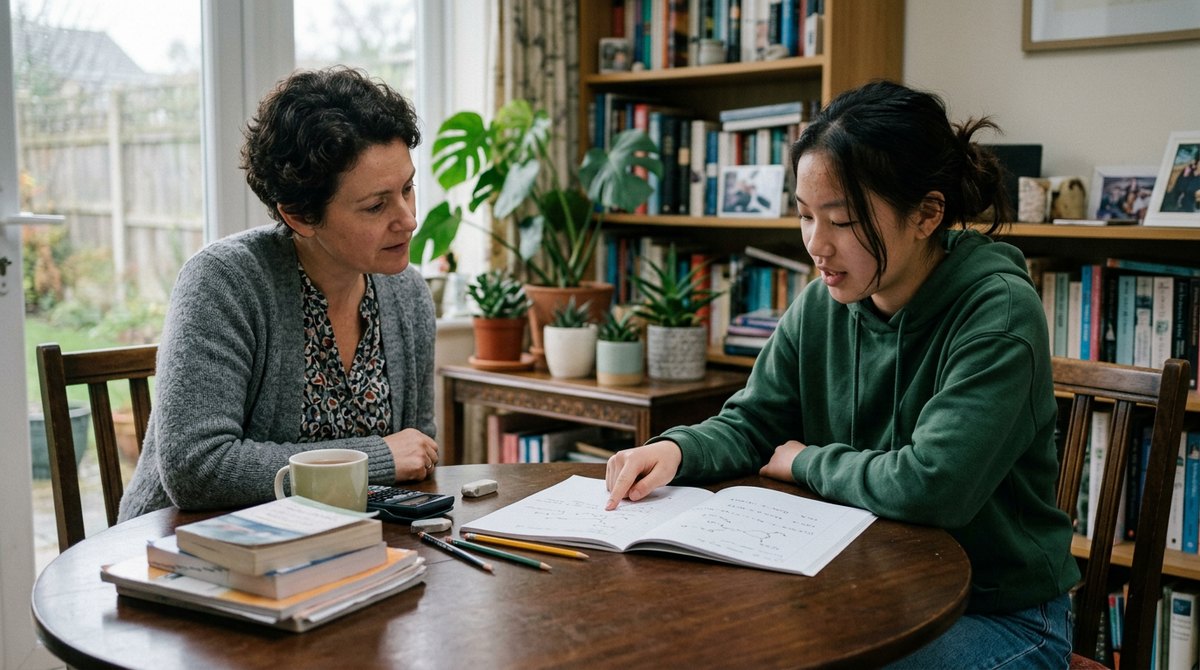
In-person tutoring at home costs a little more than online lessons, because the tutor’s travel time is built into the hourly rate.
One-to-one or a group
Group tutoring costs less per student because the tutor’s time is shared. Kip McGrath runs small groups where each child follows their own learning plan, at around £35 a session. Groups work well for revision but give you less time on your own weak spots than one-to-one tutoring.
Where you live
In-person rates are highest in London and the South East, where demand is strongest. The Sutton Trust found 45% of London pupils have had private tuition, against 27% in the rest of England and 24% in Wales. London tutors who travel to your home charge the most. Online lessons take most of the London premium away.
Nearly half of London pupils have had a private tutor. In-person rates in the capital are higher than across the rest of the UK.
The subject
Popular subjects like maths, English and science have lots of tutors, so prices stay close to the average. The October 2026 figures show physics at £50 an hour, chemistry at £47 and maths and biology at £46. Science subjects sit a little above maths.
Less common GCSE and IGCSE courses are harder. Finding a tutor who knows GCSE Psychology, Cambridge IGCSE Travel and Tourism or Environmental Management well can take time. There may only be a handful to choose from across the UK.
Can’t find a tutor for your subject? Our online GCSE and IGCSE courses teach the whole syllabus, lesson by lesson, from £84.
Find your course →What does a year of GCSE tutoring cost?
This is where the numbers get big. A GCSE course runs over two years (Year 10 and Year 11) and most families pay for more than one subject. Using Tutorful’s £46 GCSE maths average and a 38-week school year, here’s how the tutor cost adds up for parents.
| How often | Lessons a year | One subject, 1 year | One subject, 2 years | Three subjects, 1 year |
|---|---|---|---|---|
| 1 hour every week | 38 | £1,748 | £3,496 | £5,244 |
| 1 hour every fortnight | 19 | £874 | £1,748 | £2,622 |
| Exam run-up only (10 weeks) | 10 | £460 | £920 | £1,380 |
| Every week at £26 (lowest big-platform rate) | 38 | £988 | £1,976 | £2,964 |
If you keep lessons going every week all year, holidays included, that works out at about £199 a month for one subject. Two years of it costs more than many families spend on a holiday.
That’s why most families don’t tutor every subject: they pick one or two where their child is stuck and find other support for the rest.
How to work out your own budget
- List the subjects where your child really needs help, not every subject.
- Pick how often: every week, every fortnight or just before the mocks and the GCSE exam season.
- Multiply the lessons by the hourly rate you’ve been quoted.
- Add any booking fees and the cost of the first lesson.
- Compare the total with a course that covers the whole syllabus, plus a few tutor sessions.
Hidden costs to check before you book
The price on a tutor’s profile isn’t always the price you pay. Some platforms and agencies add a booking fee, some tutors charge for the first lesson and most charge if you cancel late. Subscription services can also ask you to sign up for several months at a time.
- The hourly rate and lesson length, in writing
- Any platform, booking or registration fee
- The cancellation notice period and what a late cancel costs
- Whether the first lesson is free, cheaper or full price
- Any minimum number of lessons or months
- The exam board and syllabus code (for example AQA 8461 Biology)
- A recent test or mock paper to show the tutor where marks were lost
- An enhanced DBS check for anyone teaching in your home
The board matters more than people think. AQA, Pearson Edexcel and Cambridge papers ask different questions with different mark schemes, so a tutor who knows the wrong curriculum will waste paid lessons. Ask how they give feedback on homework and practice answers too. Good tutors are happy to explain how they work.
How many families pay for a tutor?
More every decade: the Sutton Trust has asked secondary pupils in England and Wales about private tutoring most years since 2005. The share who have ever had a tutor has gone from fewer than one in five to nearly one in three.
The same survey found tutoring peaks in Year 11, when 25% of pupils had a tutor, against 10% in Year 10. That’s the year of the GCSE exam itself. So if you’re thinking about it, you’re far from alone, but most families still manage without one.
Tutoring is also more common in better-off homes (30%) than in the worst-off (23%), which is one reason affordable ways to get help matter.
Is a GCSE tutor worth the cost?
Tutoring does work. The Education Endowment Foundation reviews the research for schools and finds one-to-one tuition adds about five months of extra progress on average, or about four months at secondary level. Small group tuition adds about four months over a year.
But “on average” hides a lot. Here’s how to tell which side your child is on.
When a tutor is worth the money
- your child is stuck on one subject and the same mistakes keep coming back
- they need someone to read their exam answers and say exactly where the marks went
- they’ve lost confidence and need a patient person to talk things through
- a mock grade is one grade short of what they need for sixth form or college
- it’s the final months before the exam and practice papers need marking
When it’s poor value
A tutor is less useful when the real problem is that your child hasn’t covered the whole course yet. Paying £46 an hour for someone to teach topic after topic from scratch gets very expensive over two years. For home educated students, that can mean paying for every lesson of every subject.
Talk it through together: which subject is the real problem? Does it need a tutor or just a better way to cover the course?
Cheaper ways to get GCSE help
You don’t have to pick between a full-price tutor and no help at all. These are the main ways parents bring the cost down without losing quality.
Fewer, better-timed lessons
Fortnightly lessons halve the yearly cost. Many families save tutoring for the spring of Year 11, when mock results show which topics need work. By then you know exactly where the marks are being lost.
Group tutoring
Small groups cost less per hour and still give you a teacher to ask, though they suit revision and technique better than learning new topics.
An online course for the whole syllabus
An online course teaches every topic in order, so your child covers the full course at their own pace for a one-off price. It can’t mark an essay like a tutor can, but it covers the bulk of the learning for a fraction of the cost. Good ones also test you as you go.

An online course covers the whole syllabus at your own pace. You can study it anywhere, from home to the local library.
Free revision sites and past papers
Exam boards publish past papers and mark schemes for free, plus there are good free revision sites too. Our honest guide to the best GCSE revision websites compares them.
A mix: a course plus a tutor for the hard bits
This is what many families end up doing. The course covers the whole syllabus and a tutor joins for a few targeted sessions on the toughest topic or for marking practice answers. It closes the gap where help is really needed.
Tutor vs online course vs a mix: the real numbers
Here’s how the three compare for one GCSE course over two years, using the prices above.
| Tutor every week (£46) | Brainy Lemons course | Course + fortnightly tutor in Year 11 | |
|---|---|---|---|
| Cost for one subject | £3,496 over 2 years | £84 one-off | £958 |
| Covers the whole syllabus | Yes, if the tutor plans it | Yes, lesson by lesson | Yes |
| Marks your written answers | Yes | Quizzes mark themselves, no essay marking | Yes, in tutor sessions |
| Study when you like | At booked times | Any time, on any device | Mostly |
| Three subjects | £10,488 over 2 years | £210 | £210 + tutor time |
The mixed column is the course (£84) plus 19 fortnightly tutor hours at £46 (£874). None of this means a tutor is a bad choice. It means a tutor works best on the problem only a person can fix, rather than on teaching the whole course.
Studying GCSE and IGCSE subjects online with Brainy Lemons
Brainy Lemons is an online course for students aged 14 to 16, written for one board and one syllabus at a time. A full course costs £84 (normally £120), or you can spread it at £10 a month for 12 months. Two courses cost £154 and three cost £210. You keep access right through to your exams.
Each course has short lessons of about 30 minutes that follow the syllabus in order. Every lesson has a quiz, a quiz show called Lemonaire and Last Stand, a zombie defence game you win by answering questions on the lesson. Many courses also have flash cards built into each lesson.
A study timetable plans your lessons week by week from the date you want to finish, leaving time to revise before the exam. It’s the kind of structure a tutor would give you, without the weekly bill. You can see how it works on how Brainy Lemons works.
Our courses include AQA GCSE Biology online and AQA GCSE Chemistry online, plus subjects where a good tutor is hard to find, like GCSE Psychology online, GCSE Sociology, Cambridge IGCSE Travel and Tourism and Cambridge IGCSE Environmental Management.
If you’re working out the full bill for home education, our guide to how much GCSEs cost for home educated students covers exam centre fees. Our guide to choosing an online GCSE course shows what to look for. You can also try our free GCSE games before you buy anything.
Our price doesn’t include the exam itself, which is booked and paid for separately with an exam centre.
GCSE tutor cost FAQs
How much does a GCSE maths tutor cost?
Tutorful lists an average of £46 an hour for a GCSE maths tutor in October 2026. Prices on the big platforms start at about £20 to £25 an hour and go above £100 for a few specialists.
Is online tutoring cheaper than in-person tutoring?
Usually, yes, by a few pounds, because the tutor doesn’t charge for travel. Online tutoring also gives you far more tutors to choose from. That helps a lot for less common subjects.
How many hours of GCSE tutoring do you need?
Most families book one hour a week per subject during term, or one a fortnight. Some only book lessons in the run-up to mocks and the summer exams, which keeps the cost under £500 a subject.
Is £30 an hour cheap for a GCSE tutor?
It’s below the big-platform averages but well inside the normal range. MyTutor’s GCSE rates start at £26. A cheaper tutor who knows your exam board and gets on with the student can be better value than an expensive one who doesn’t.
Can I find online tutors for GCSE Psychology or Sociology?
Yes, but there are fewer of them than for maths or English, so the choice is smaller. An online course written for your board’s syllabus is a lower-cost way to cover the whole course, with a tutor for essay practice if you want one.
Do Brainy Lemons courses include a tutor?
No. Our courses are self-study: lessons, quizzes, games and a study timetable. Many families use the course for the whole syllabus and book a tutor separately for extra help on one topic.
Cover a whole GCSE course for less than two tutor lessons
Online GCSE and IGCSE courses that follow the exam board specification, lesson by lesson, from £84 a course.
- Short lessons written for one exam board and one specification
- A quiz, a quiz show and a zombie defence game on every lesson
- Study on any device: phone, tablet or laptop
GCSE and IGCSE courses for students aged 14 to 16.